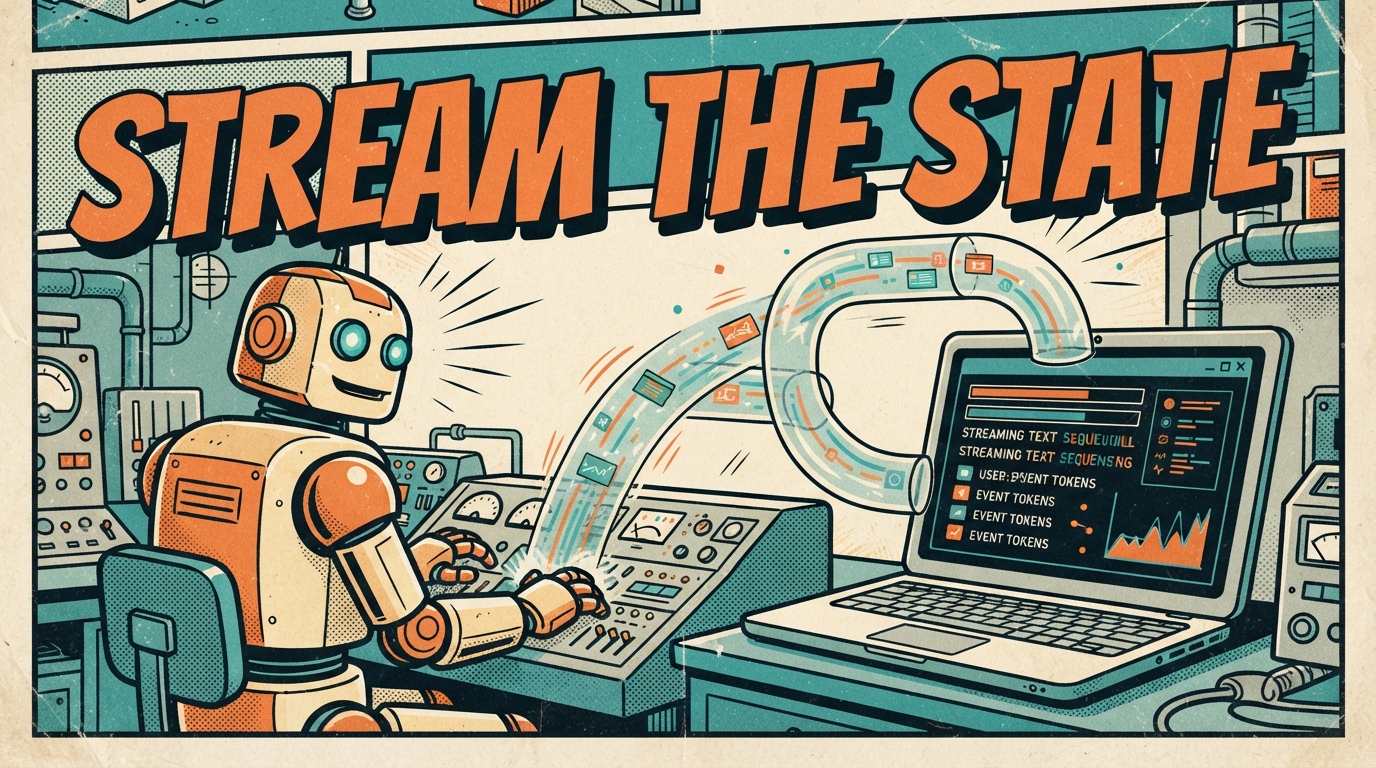
AG-UI Protocol: Streaming Agent State to Frontends
AG-UI protocol streams agent messages, tool calls and state deltas to any frontend, so you stop writing one integration per agent framework.
Cluster Hub
MCP, multi-agent DAGs, Universal Commerce Protocol (UCP), Agentic UIs, and LLM routing logic.
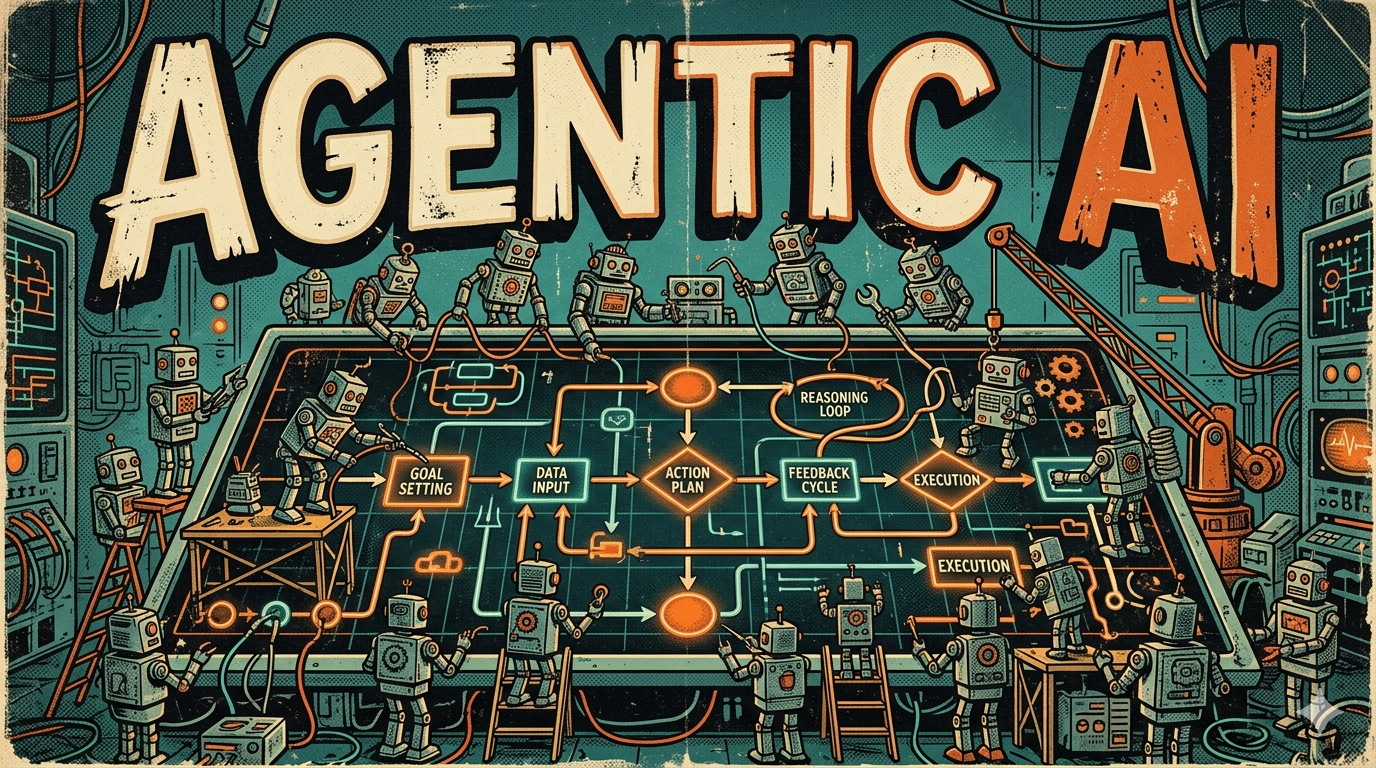
AG-UI protocol streams agent messages, tool calls and state deltas to any frontend, so you stop writing one integration per agent framework.
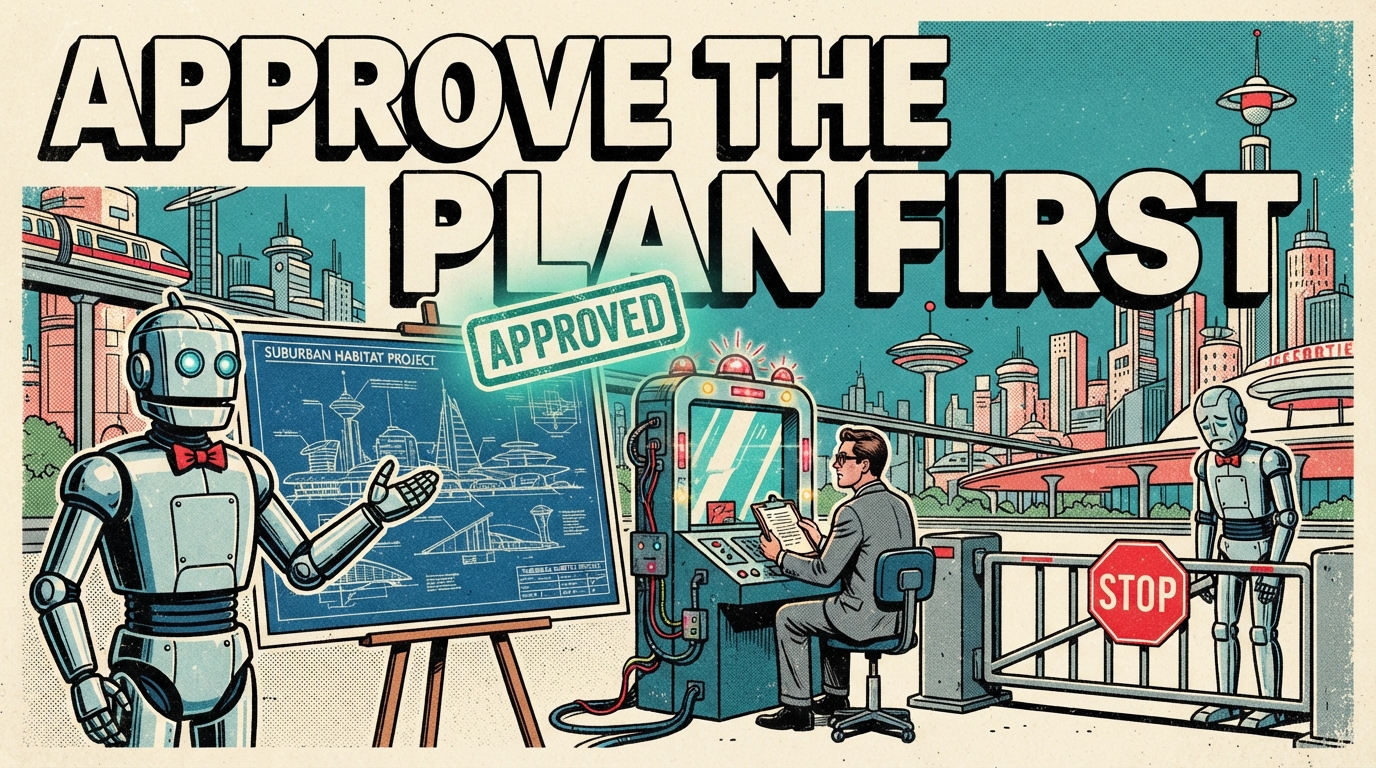
Plan review gates for coding agents: approve and annotate the plan before irreversible steps run, so feedback is cheap, specific and machine-usable.
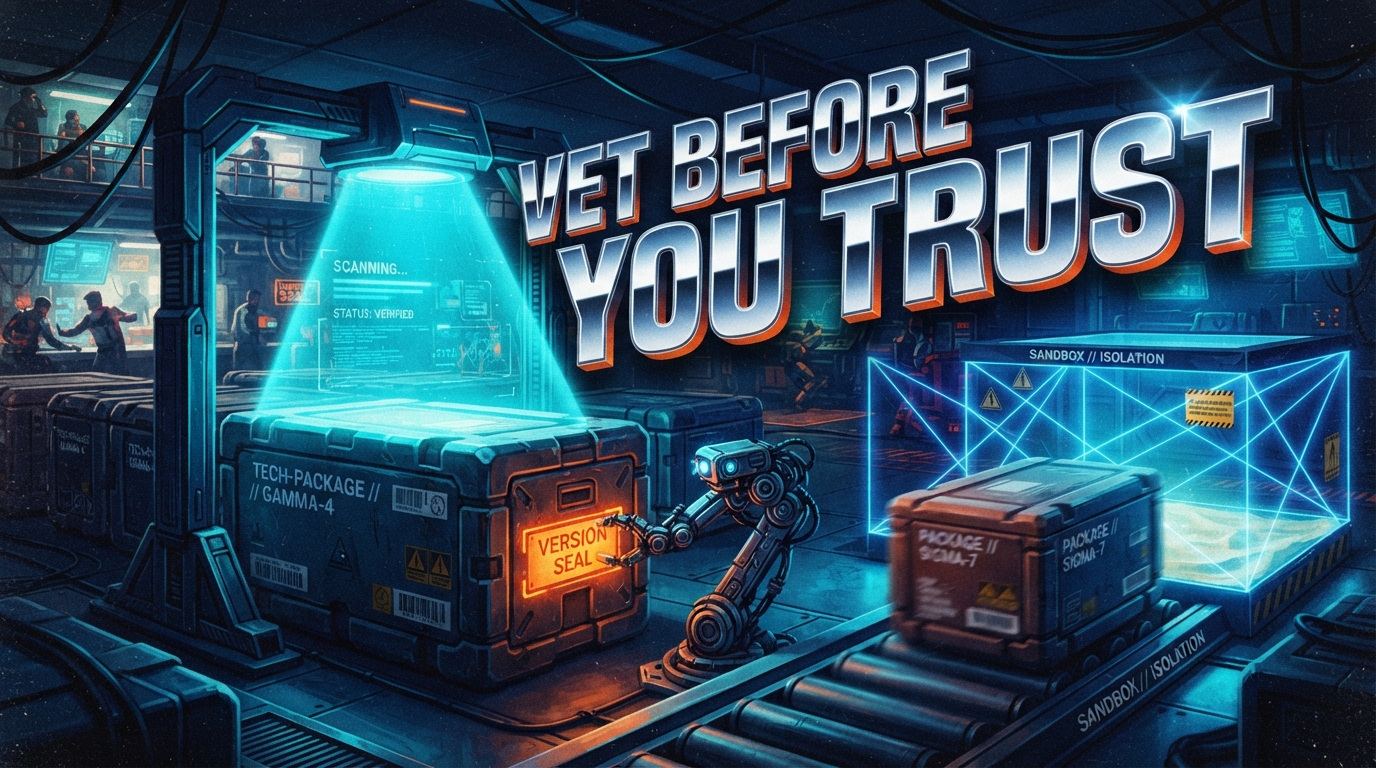
Agent skills supply chain risk is a dependency problem. Vet the package, pin the version, review every diff and run skills with least privilege.
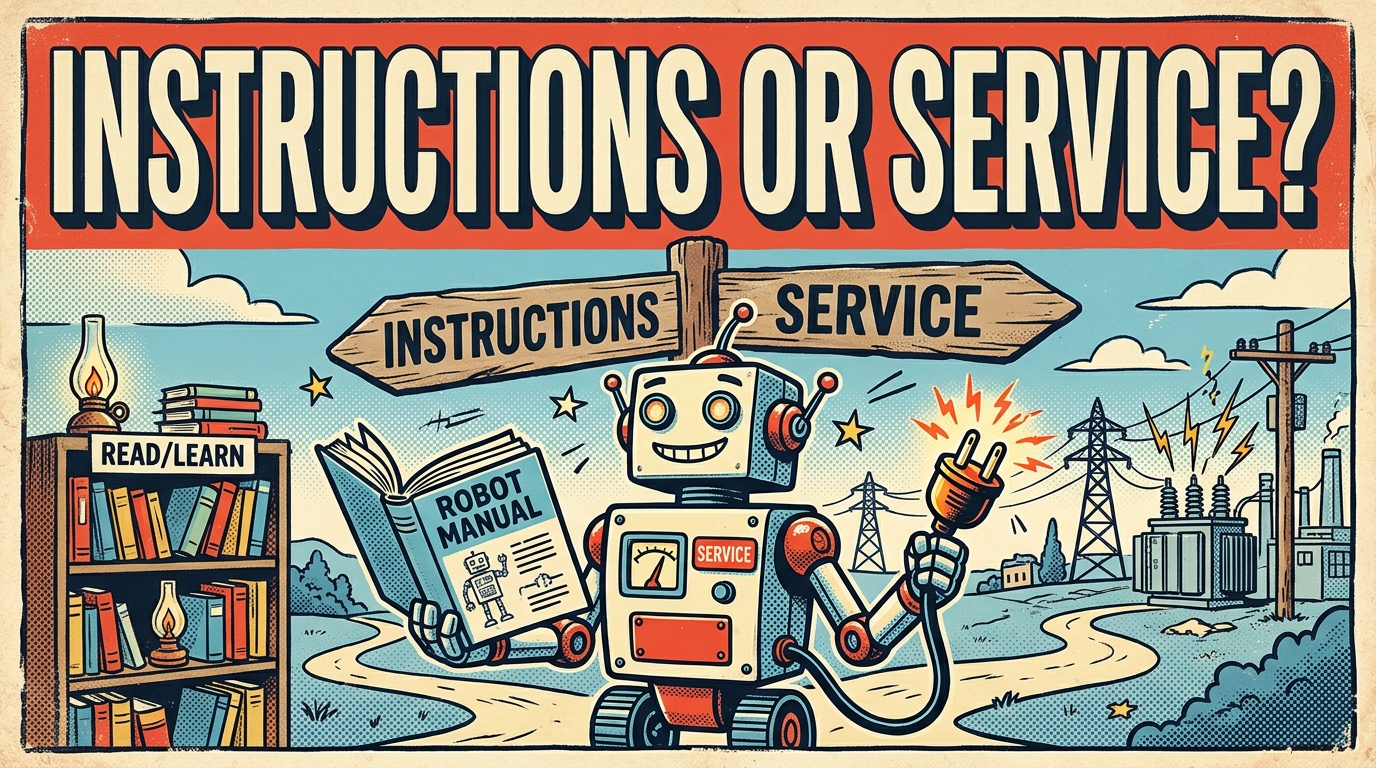
Agent skills vs MCP servers is a packaging decision, not a loyalty test. Use instructions for stable procedure and a service for live, authenticated systems.
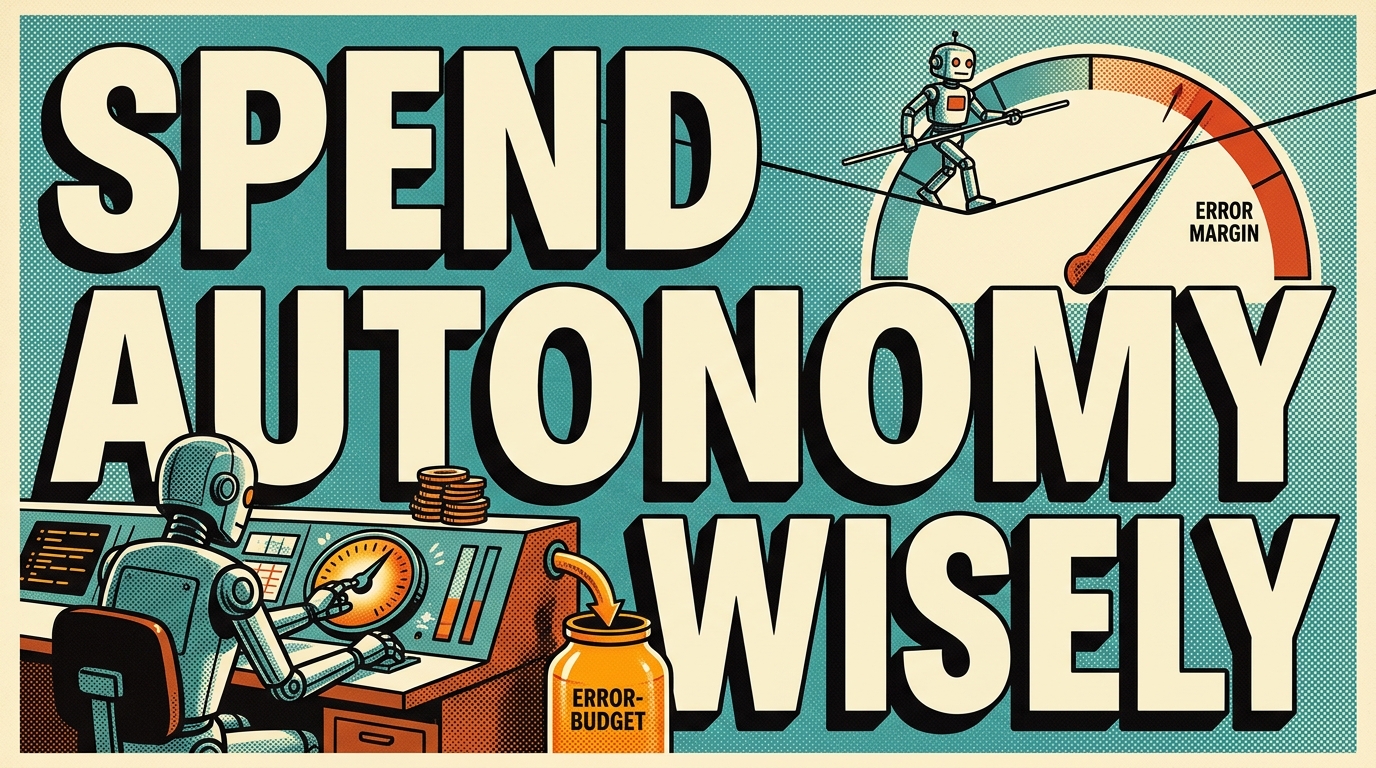
Agent SLOs belong on resolved-task rate, latency and cost per task, not uptime. An error budget lets the business trade autonomy against risk explicitly.
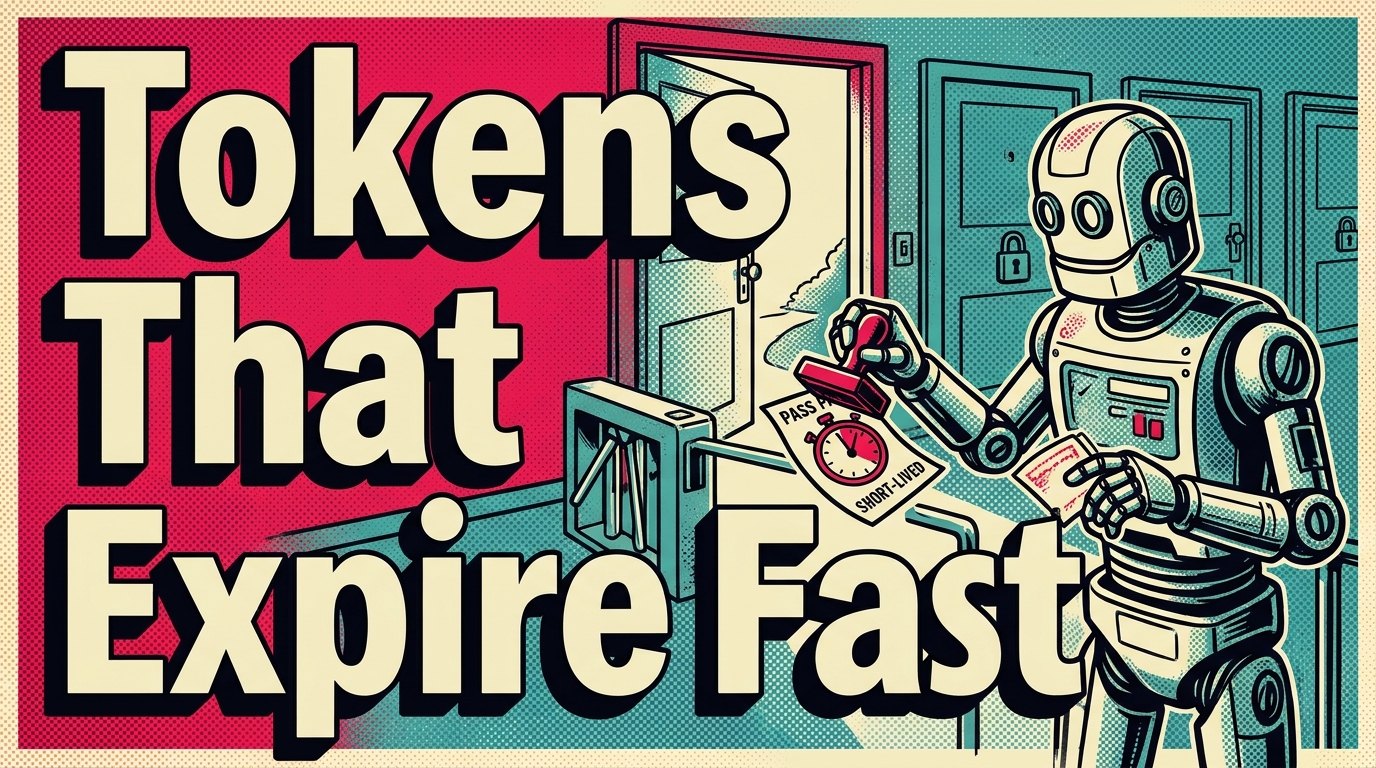
Agent identity works best with per-task, short-lived tokens scoped to one tool call, so a post-incident audit can say who did what and why.
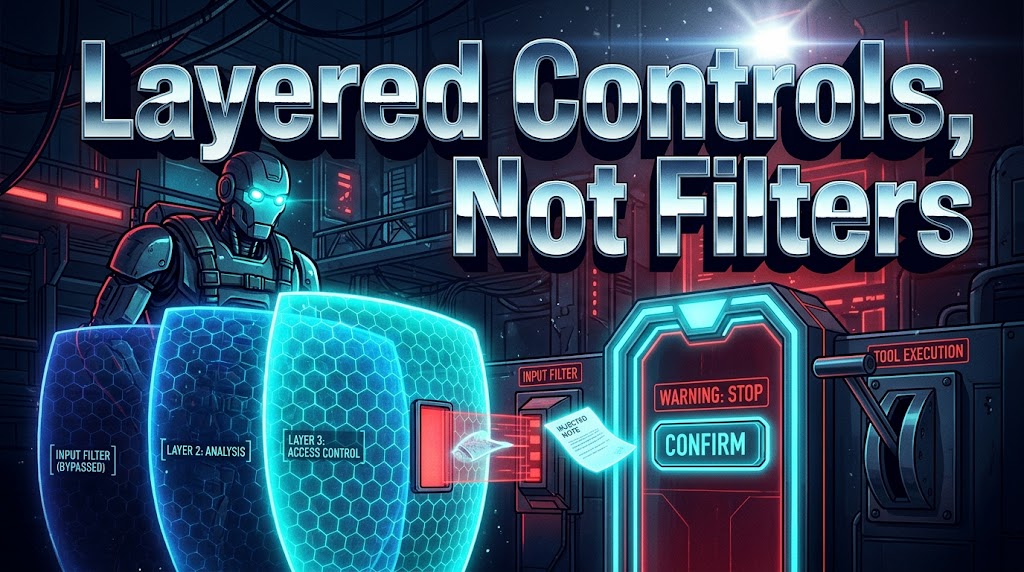
Prompt injection defense for tool-using agents works through capability scoping, output checks and confirmation gates, not input filters alone.
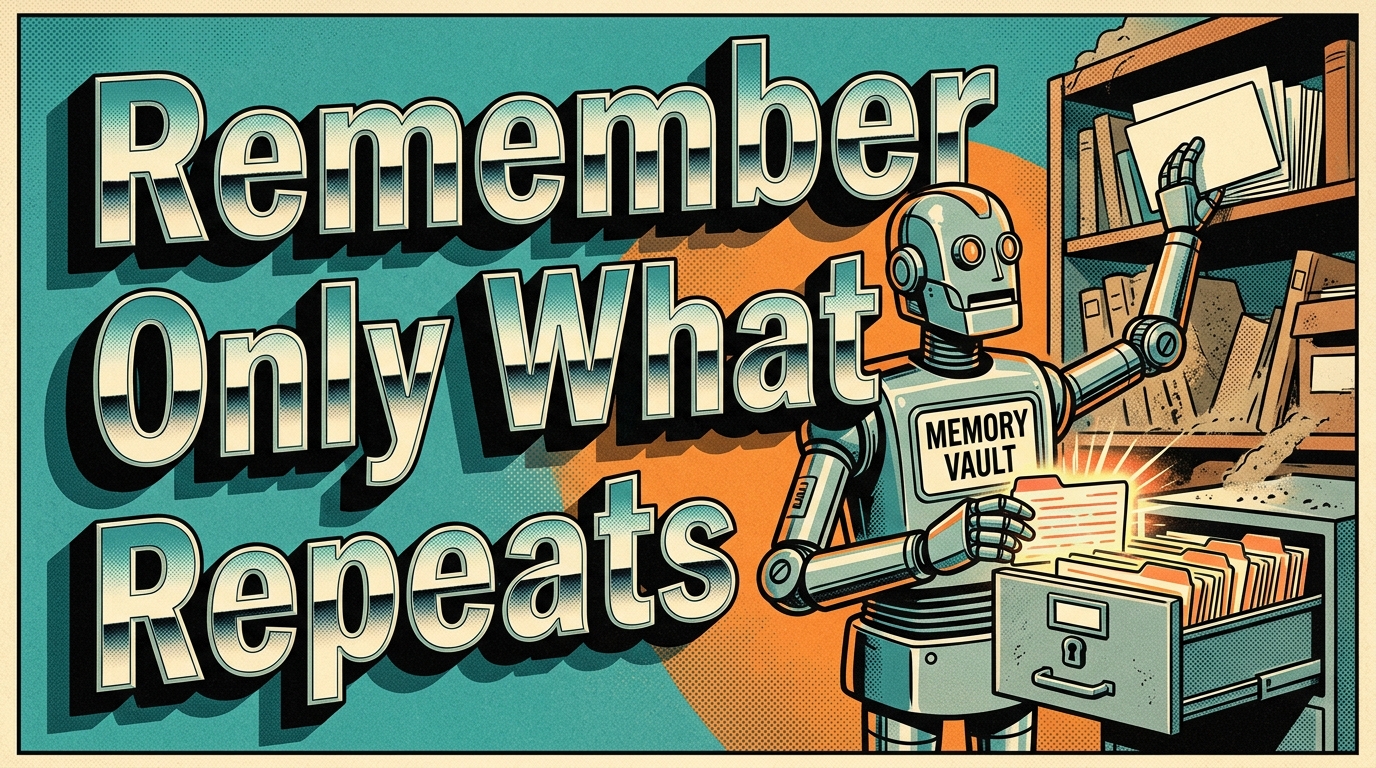
Agent memory layers pay off only for long-lived agents with repeat users. Use this rule on session length and write rate to decide whether to build one.
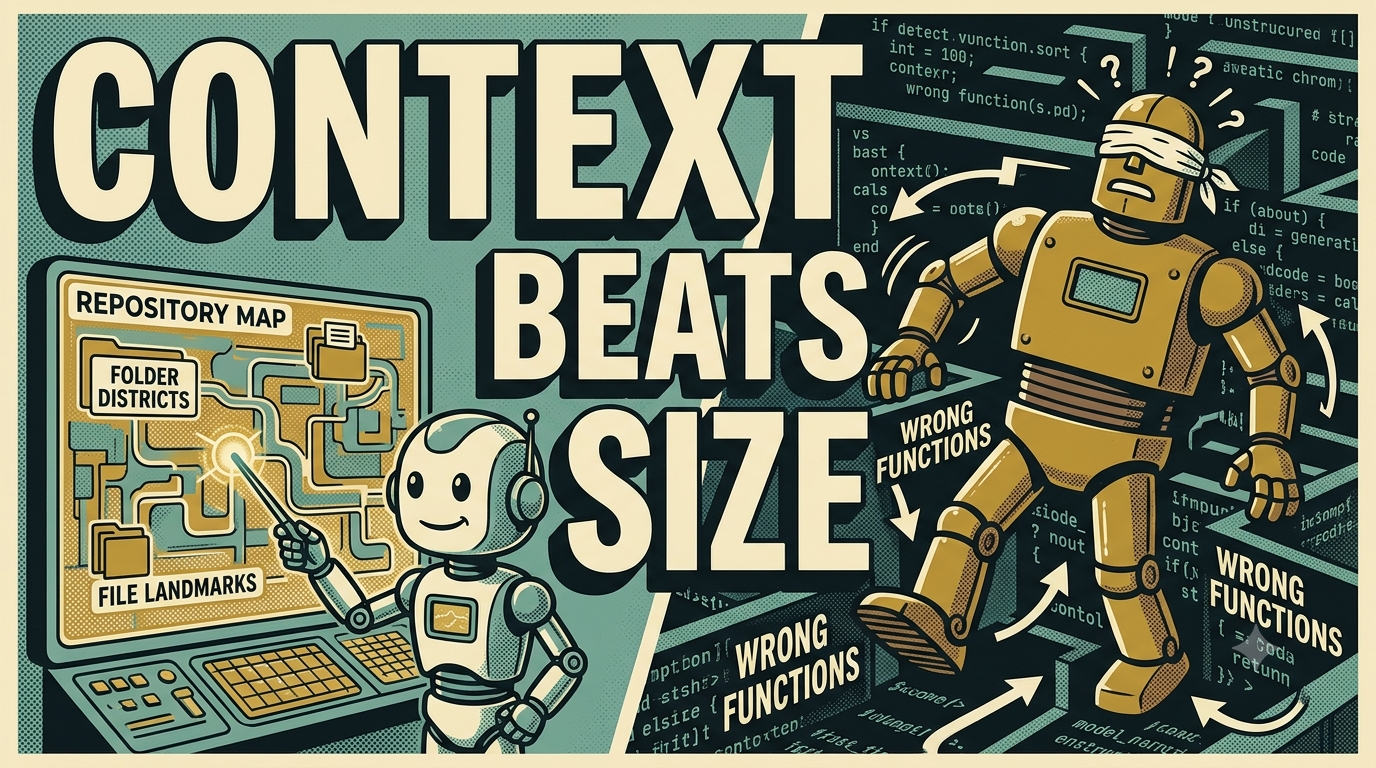
code-review-graph at 20K stars. AI coding agents are moving past generic code search. The next layer is persistent structural indexing through MCP — how agents go from helpful junior to autonomous...
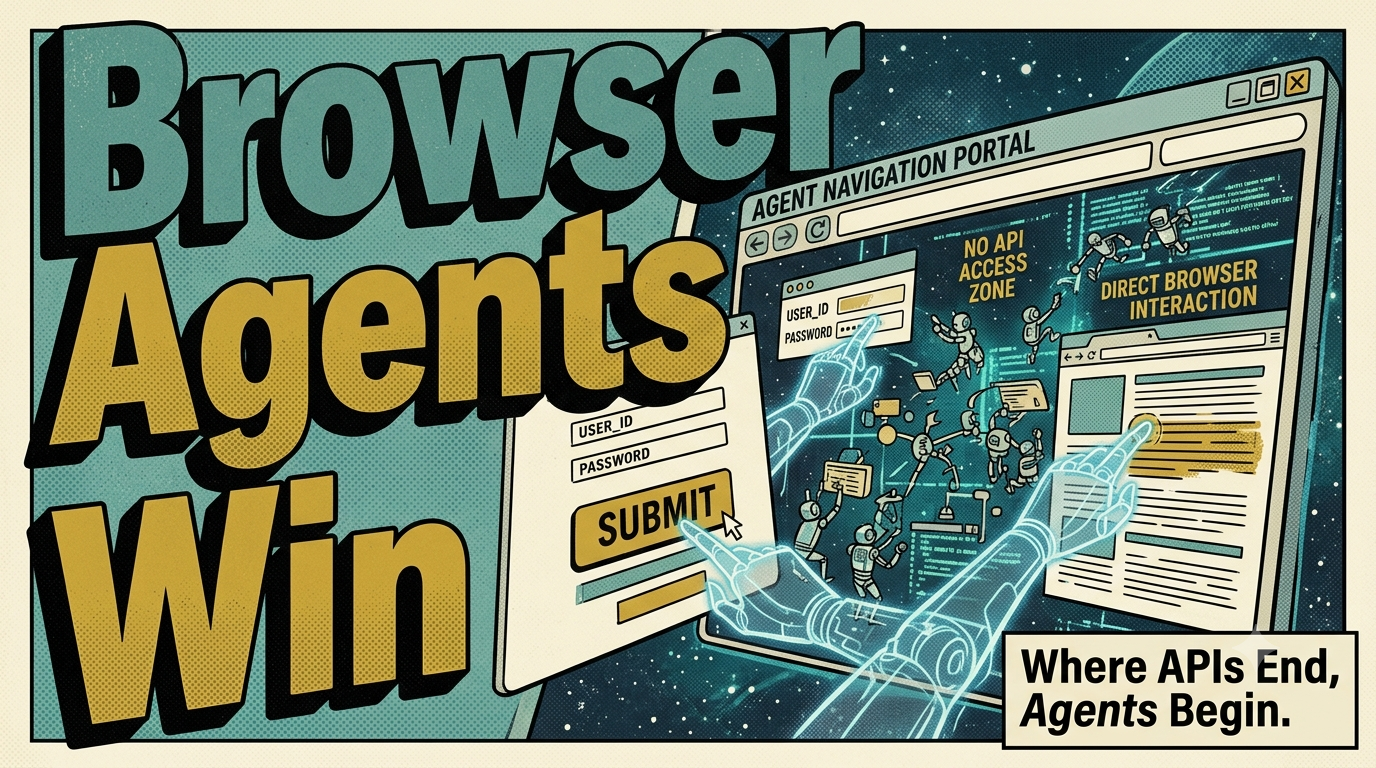
Everyone is writing about agent frameworks and protocol standards. Nobody is talking about the real breakthrough: agents that can actually use a web browser. Eight thousand GitHub stars in weeks...
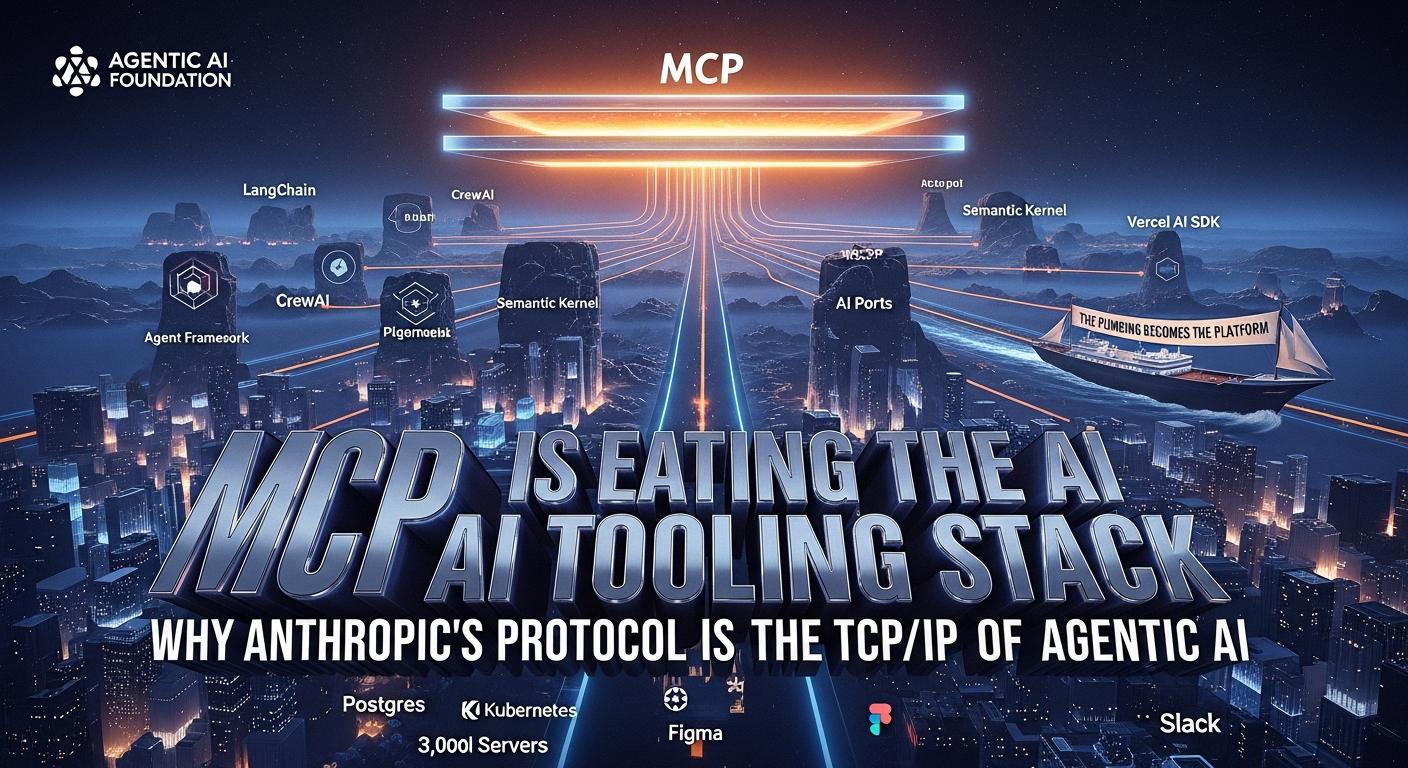
How the Model Context Protocol is becoming the universal interoperability layer for agentic AI, and why its donation to the Agentic AI Foundation marks a Kubernetes-level inflection point for...
Text hallucinations get all the attention in LLM evaluation. But the more expensive failure mode in production agents is tool use: calling the wrong endpoints, inventing parameters, and executing...
When you use LLMs as API endpoints, their probabilistic nature breaks downstream systems. Here is how to enforce strict JSON output through grammar-constrained generation and structured outputs.
Architectural patterns for summarizing, pruning, and passing context between collaborative subagents without hitting OOM errors.
How to handle complex agent states, pause execution, and debug multi-agent loops via LangGraph checkpointers and time travel.
Designing systems where humans provide strategic intent and override at checkpoints.
How the A2A standard allows multi-vendor agents to discover, negotiate, and delegate tasks safely.
Using progressive discovery and smart tool-search to keep agents lean. Learn how to prevent context window overflow and infinite reasoning loops in multi-agent systems.
We built autonomous agents that can think, reason, and execute. Now we need to stop them from bankrupting us. Here is how to build economic constraints directly into your LangGraph loops.
How to manage the shared state size in complex reasoning loops to prevent context window overflow without losing critical history.
Compare Generative UI patterns for browser-based, client-side rendering. Learn when to use declarative CopilotKit structures versus the open-ended A2UI protocol.
An organic, decentralized mesh of democratic agents reads brilliantly in an academic paper. But in enterprise production, democratic agents lead to infinite loops and massive API bills.
Deep dive into measuring tool use correctness & plan adherence.
How to use Silero VAD for real-time voice activity detection: build a Python audio pipeline with `from silero_vad import load_silero_vad`, endpointing, and barge-in handling.
Why Agent-to-Agent (A2A) interactions and Side Effects require a 'Two-Phase Commit' for safety.
Chains are brittle. We need a shared state object for robust multi-agent reasoning.
Non-determinism is a bug, not a feature. We explore how to whip the model into compliance using Enforcers, Pydantic, and Constrained Generation.
Gemini CLI hooks enable developers to seamlessly automate codebase context injection and build self-correcting ReAct loops without manual copy-pasting.
We analyze the JSON-RPC internals of the Model Context Protocol (MCP) and why the 'Context Exchange' architecture renders traditional integration code obsolete.
An Agentic SDLC (Software Development Life Cycle) transforms how you architect autonomous workflows. Learn to build secure execution sandboxes and integrate multi-agent validation loops safely.