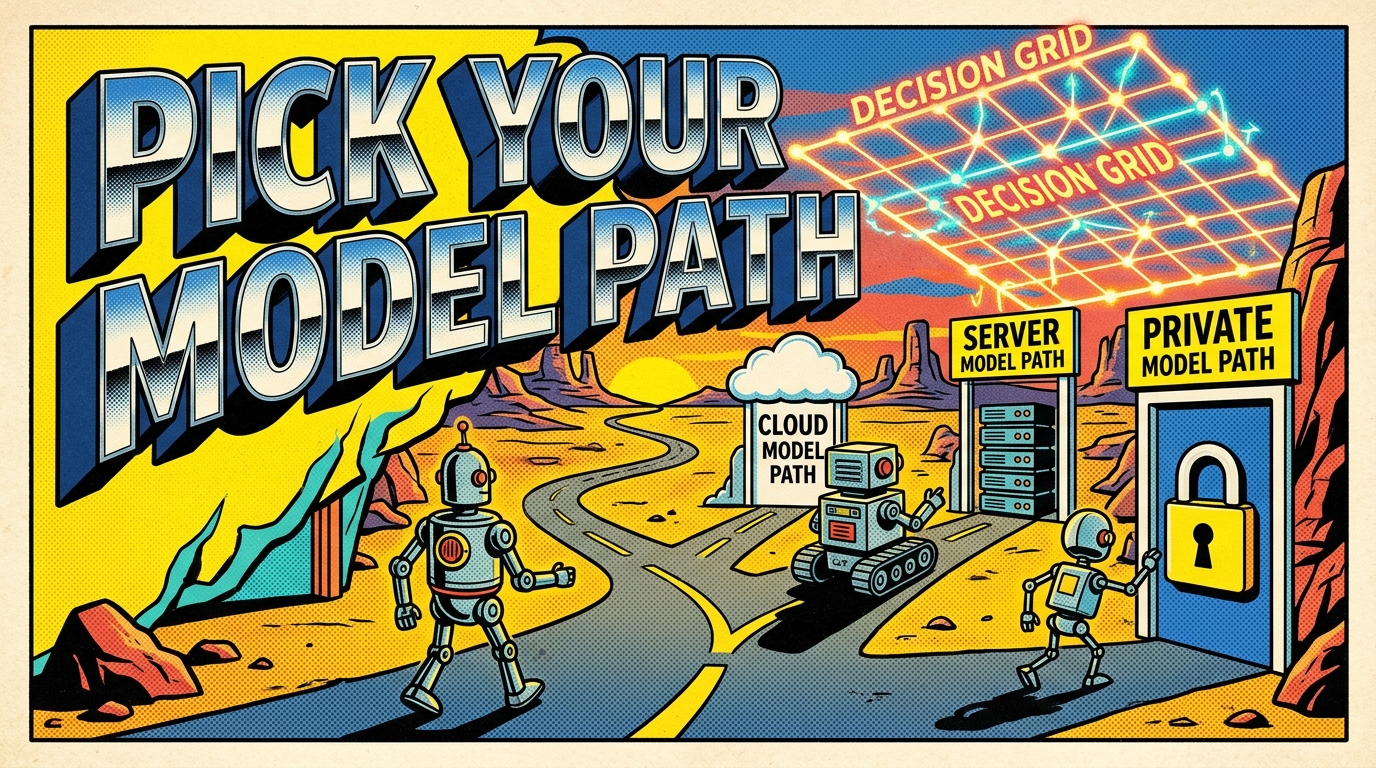
Open Weights, Frontier APIs or Self-Hosting: A Workload-Based Decision Matrix
Open weights vs frontier APIs vs self-hosting: a decision matrix built on request volume, data sensitivity, eval maturity and compliance.
Insights & Research
From Silicon to Strategy. The latest thinking from the frontlines of building AI.

Agent memory layers pay off only for long-lived agents with repeat users. Use this rule on session length and write rate to decide whether to build one.
Read Full ArticleOpen weights vs frontier APIs vs self-hosting: a decision matrix built on request volume, data sensitivity, eval maturity and compliance.
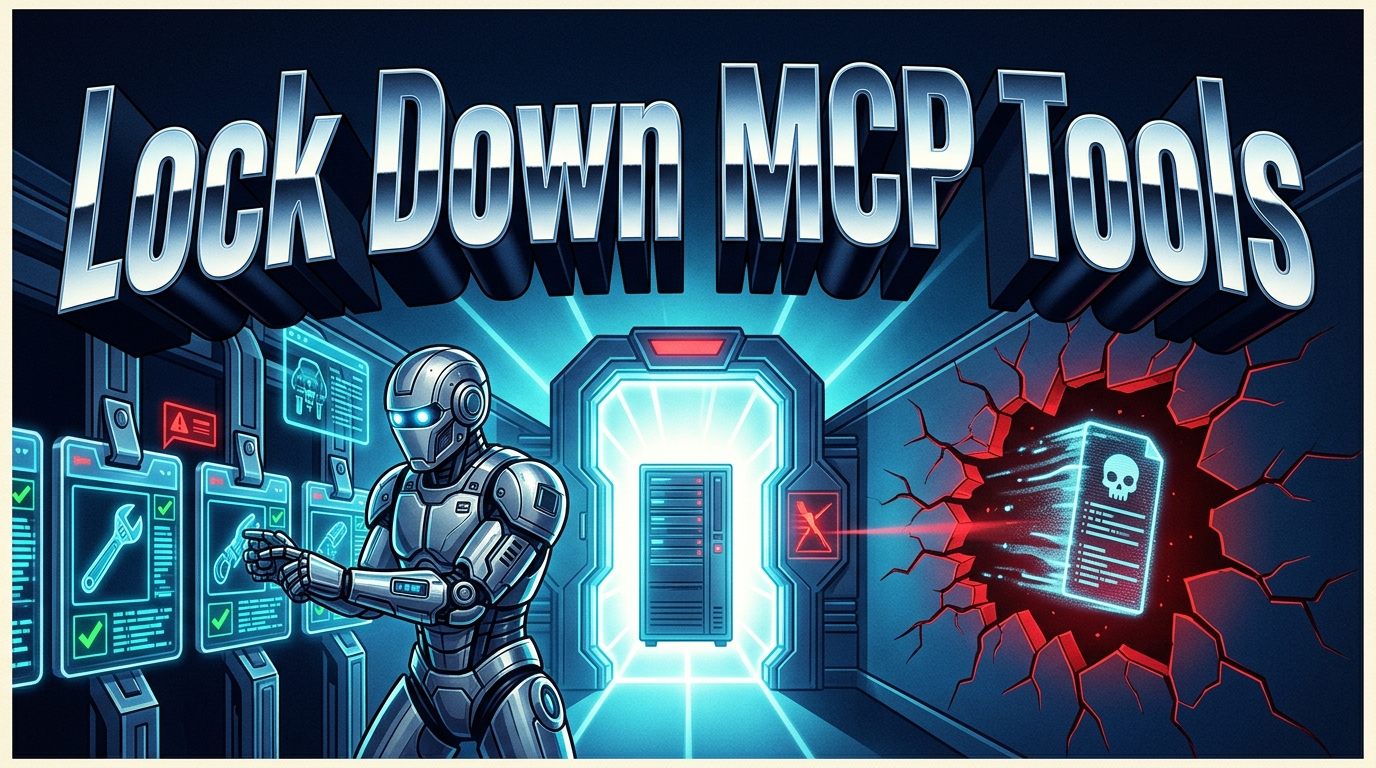
MCP server security starts with one question: who can change a tool definition? Treat descriptions as untrusted input and add per-tool authorization.
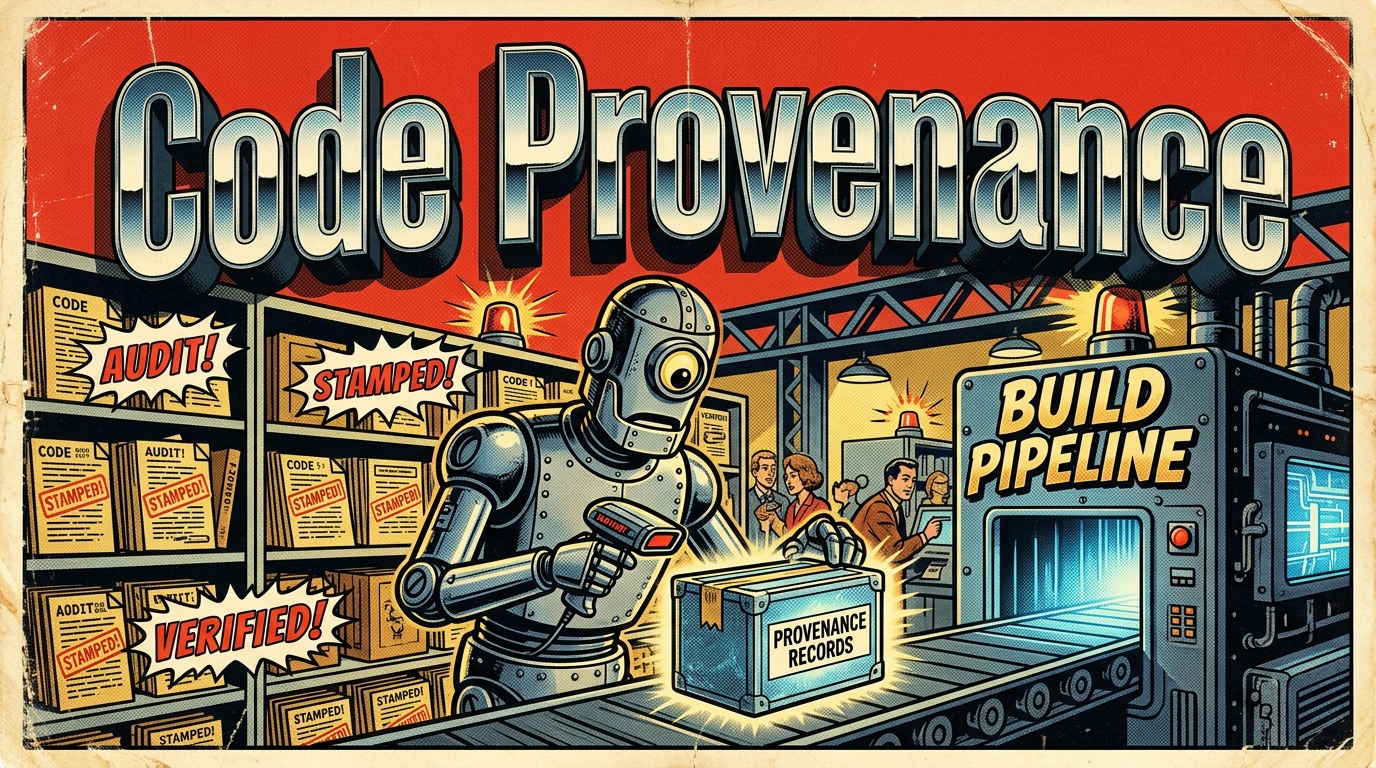
Agentic coding security starts by treating agent-written code as a supply-chain input: track provenance, scope permissions and keep audit trails.
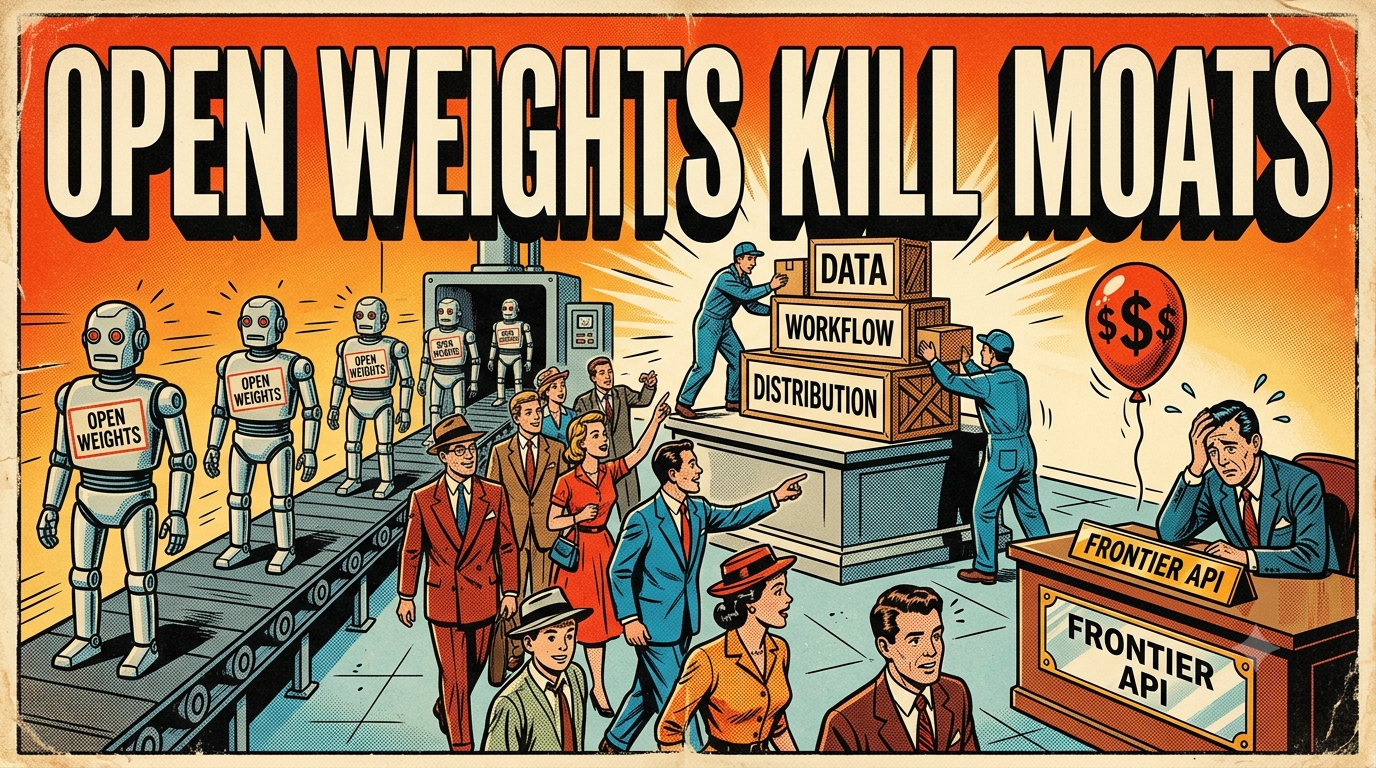
Open weights reshaped the model moat for commodity-tier workloads. The assets that compound are first-party data, workflow ownership, and distribution, not parameter scale. A framework for what to...

Open GPU kernel modules improve debuggability and auditability for fleet operators, not performance. Here is who benefits and who can ignore them.

AirLLM runs 70B models on a 4GB GPU. The trick is not the sharding; it is that enterprise inference workloads break the edge cost model. Here is why GPU accessibility is not the same thing as cost...
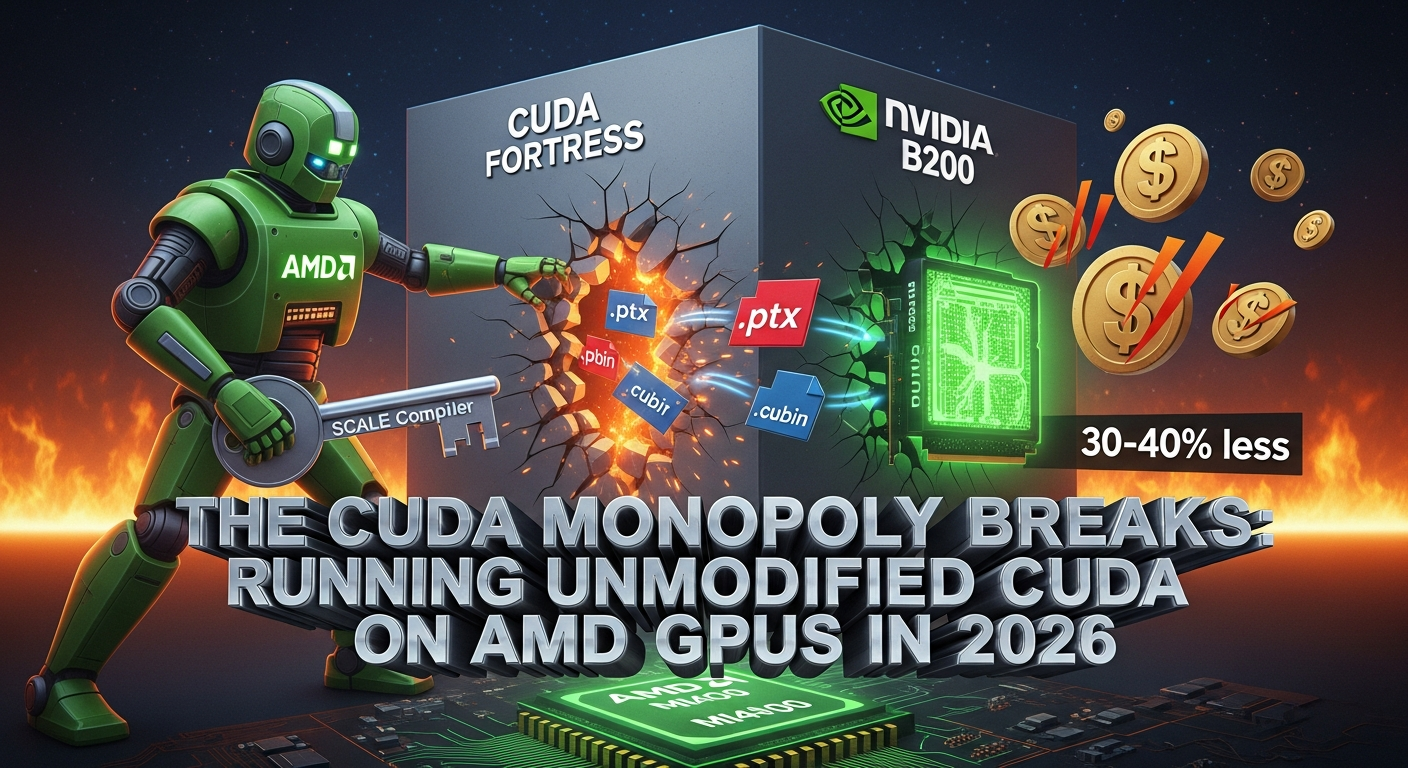
SCALE and other CUDA-compatibility layers are cracking Nvidia's software moat, letting unmodified CUDA binaries run on AMD hardware — though performance parity still isn't guaranteed. Here is what it...

Serverless inference promises pay-per-request economics but the five-second cold start destroys the user experience. Here is what actually works: persistent model workers, speculative warmers, hybrid...
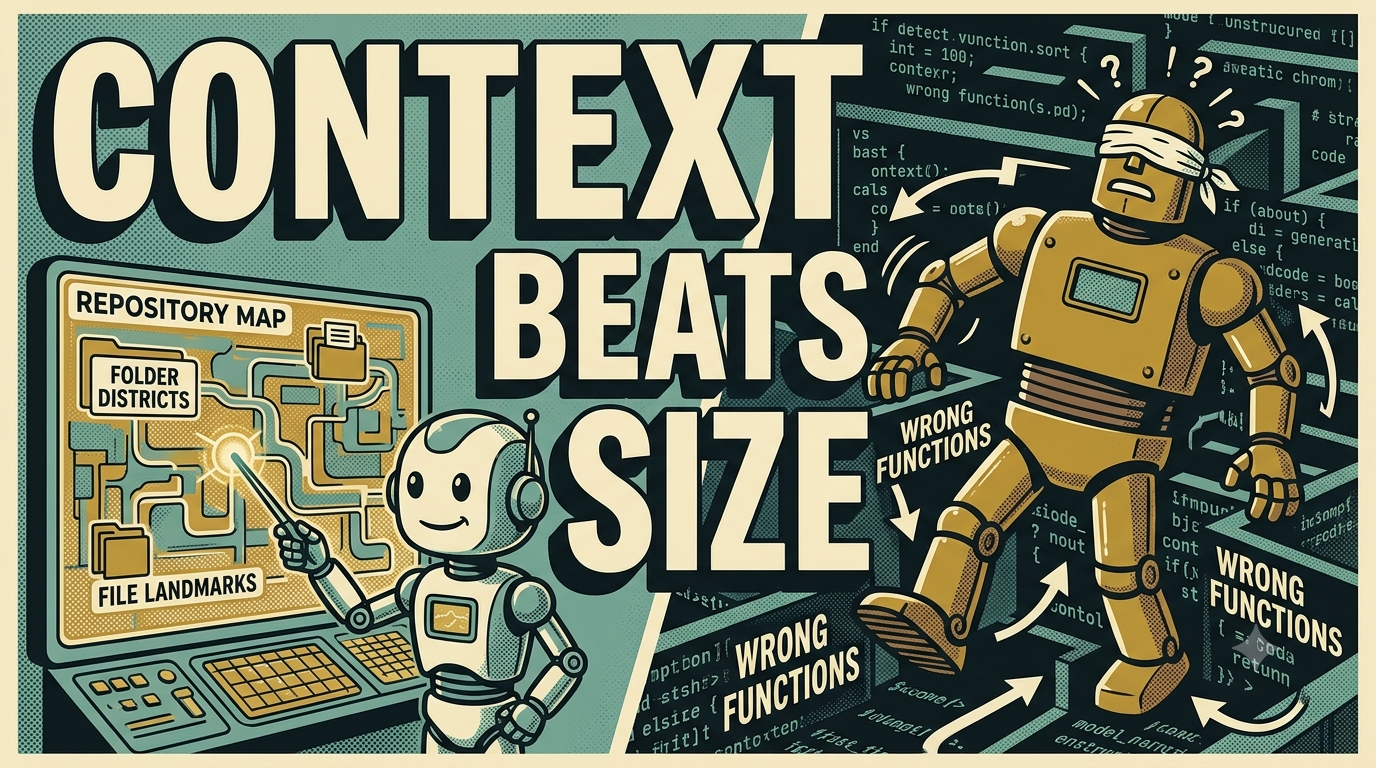
code-review-graph at 20K stars. AI coding agents are moving past generic code search. The next layer is persistent structural indexing through MCP — how agents go from helpful junior to autonomous...

Everyone is writing about agent frameworks and protocol standards. Nobody is talking about the real breakthrough: agents that can actually use a web browser. Eight thousand GitHub stars in weeks...
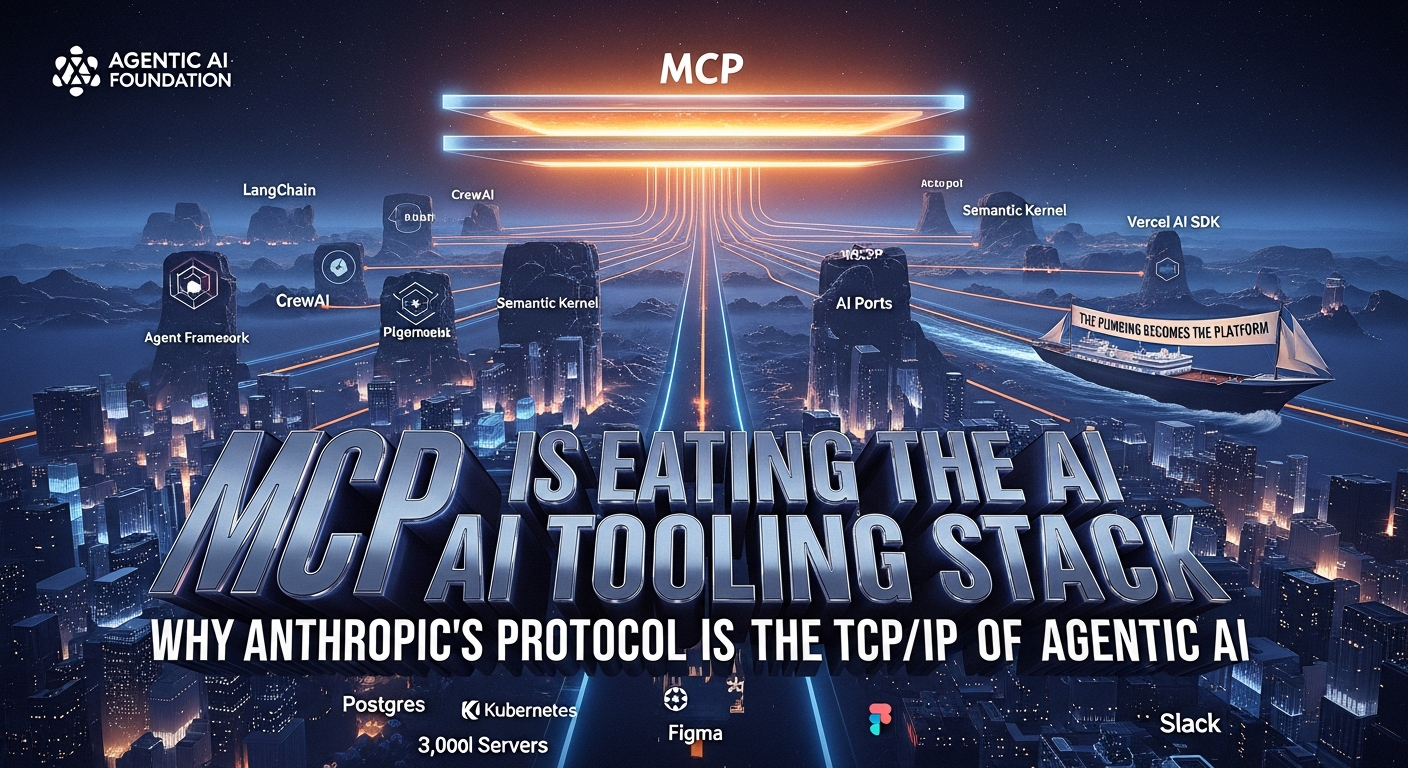
How the Model Context Protocol is becoming the universal interoperability layer for agentic AI, and why its donation to the Agentic AI Foundation marks a Kubernetes-level inflection point for...

Text hallucinations get all the attention in LLM evaluation. But the more expensive failure mode in production agents is tool use: calling the wrong endpoints, inventing parameters, and executing...

Agent reliability patterns fail when retries re-run side effects. Design idempotency keys and step-level tracing into the loop from day one.

Local-first MCP with llama.cpp makes offline tool-calling agents viable, and a 32k context budget forces tool discovery at runtime, not upfront.

Pinecone's Nexus Engine compiles business context into structured knowledge graphs for agents. Nemotron 3 Embed tops RTEB. Vector search alone is now insufficient. Here is the memory architecture...

Agent testing infrastructure separates prototype agents from production systems. The Strix framework signals a structural shift.
The archive is fully searchable. Use the rapid Pagefind component or hit Cmd/Ctrl + K anywhere on the site.