
AirLLM and the GPU Accessibility Trap
AirLLM runs 70B models on a 4GB GPU. The trick is not the sharding; it is that enterprise inference workloads break the edge cost model. Here is why GPU accessibility is not the same thing as cost efficiency.


AirLLM runs 70B models on a 4GB GPU. The trick is not the sharding; it is that enterprise inference workloads break the edge cost model. Here is why GPU accessibility is not the same thing as cost efficiency.


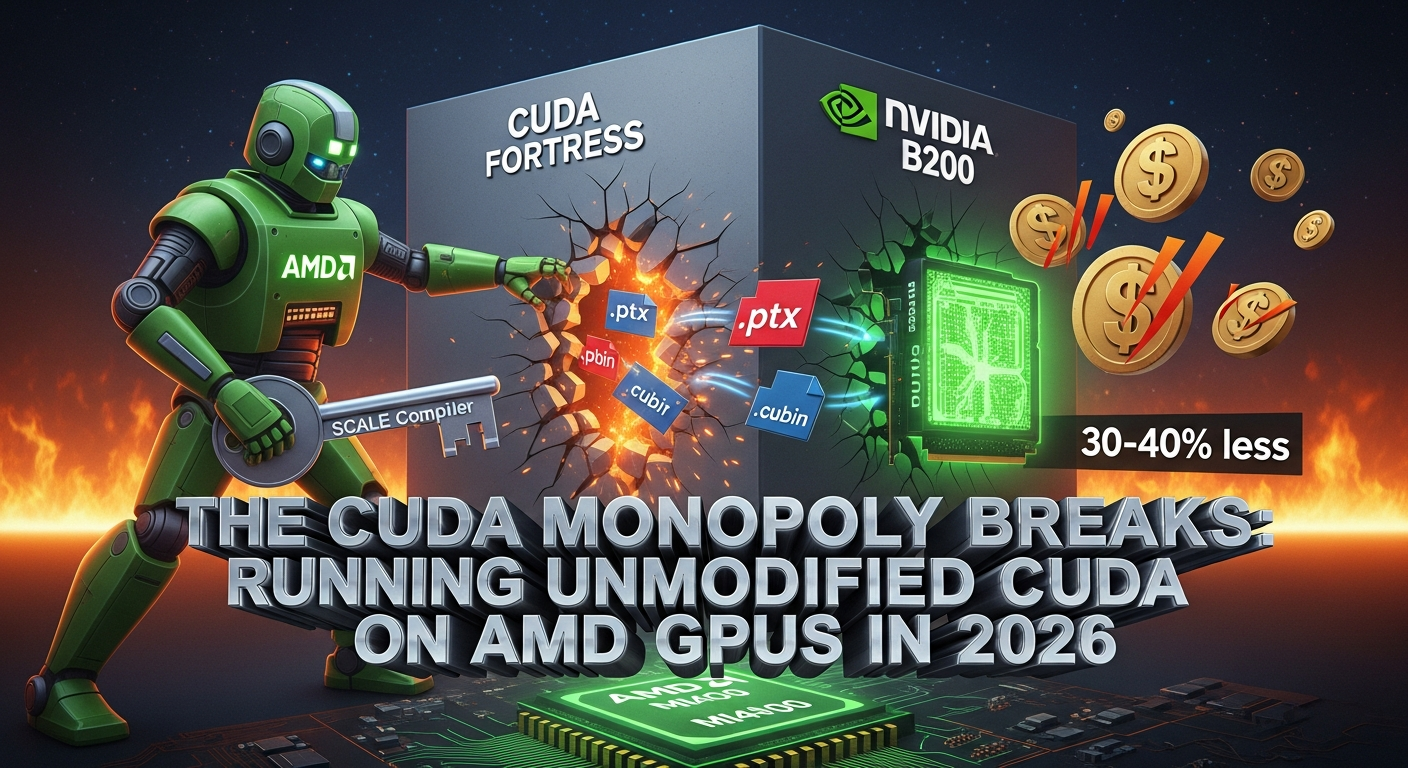
SCALE and other CUDA-compatibility layers are cracking Nvidia's software moat, letting unmodified CUDA binaries run on AMD hardware. Here is what it means for AI inference costs and enterprise infrastructure in 2026.


Serverless inference promises pay-per-request economics but the five-second cold start destroys the user experience. Here is what actually works: persistent model workers, speculative warmers, hybrid architectures, and the infrastructure patterns that let you keep serverless pricing without paying the latency tax.


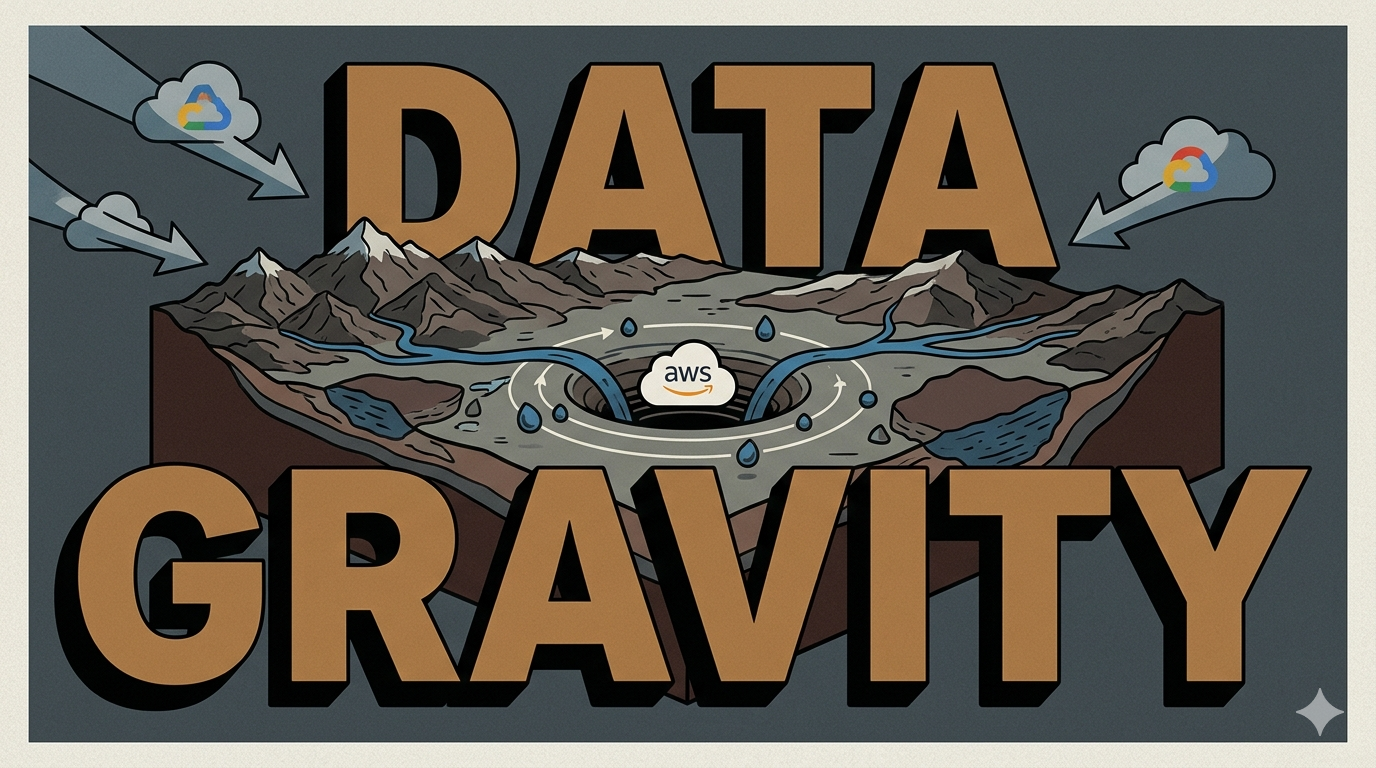
Your data location is no longer an afterthought. When every cloud provider promises the best AI infrastructure, the real tiebreaker is where your company's enterprise data already lives. We explore how data gravity shapes vendor selection, transfer costs, and the architecture of your AI strategy.


Native K8s orchestration is evolving to handle GPU scheduling, checkpointing, and live migration at the scale that AI demands.
NPUs promise efficient edge LLM inference, but how do they actually compare to discrete GPUs under real production workloads?