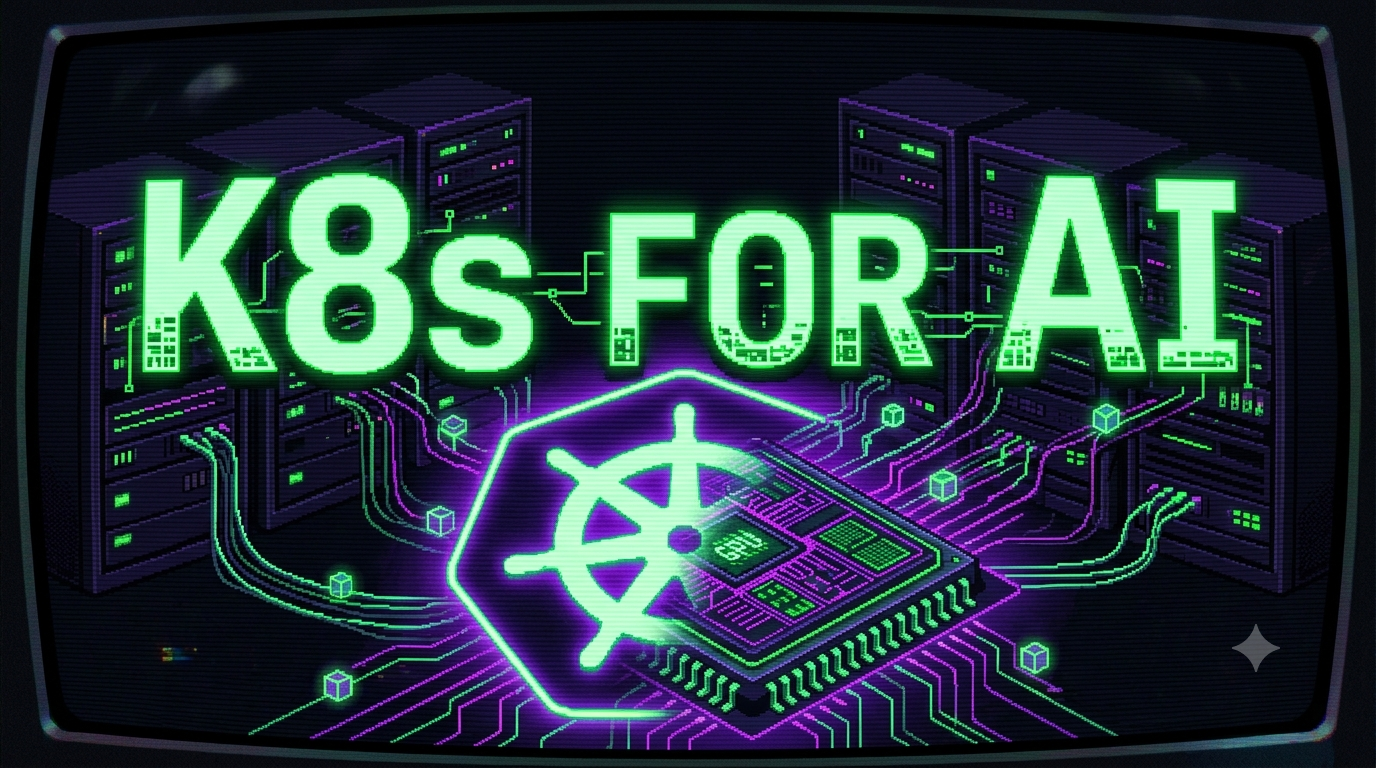
The Kubernetes for AI Paradigm
Native K8s orchestration is evolving to handle GPU scheduling, checkpointing, and live migration at the scale that AI demands.
Native K8s orchestration is evolving to handle GPU scheduling, checkpointing, and live migration at the scale that AI demands.
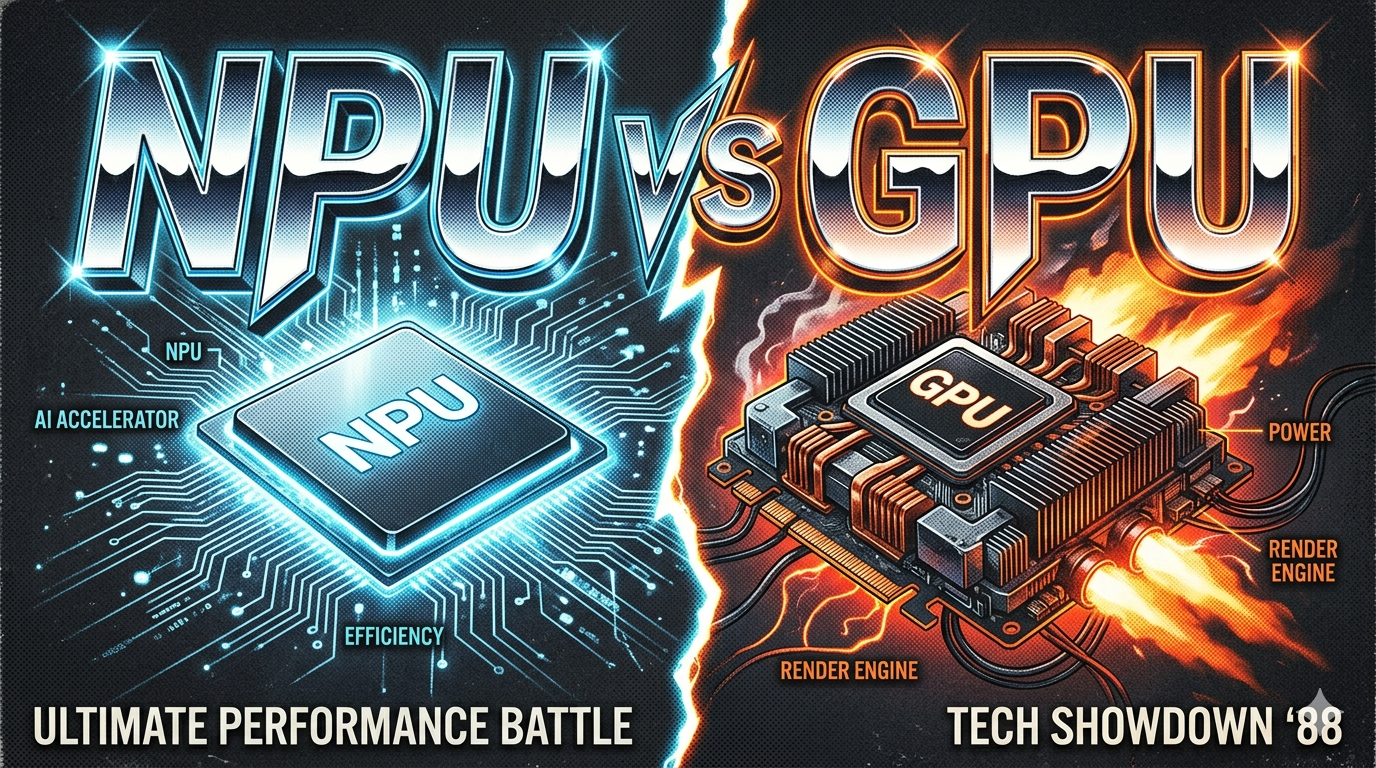
NPUs promise efficient edge LLM inference, but how do they actually compare to discrete GPUs under real production workloads?
Inference cost architecture: how smart model routing between frontier and distilled models creates real margin at scale. Unit economics, production examples, and the infrastructure decisions that determine profitability.
The dominant narrative in AI infrastructure is wrong on multiple fronts. GPU supply dynamics, neocloud pricing advantages, hardware fungibility, crawl monetization, and open weights democratization — here is what most people have backwards.
AI capital wall analysis: GPUs are no longer the scarcest resource. Data center capacity, liquid cooling, and power density are the real bottlenecks for scaling AI infrastructure in 2026.
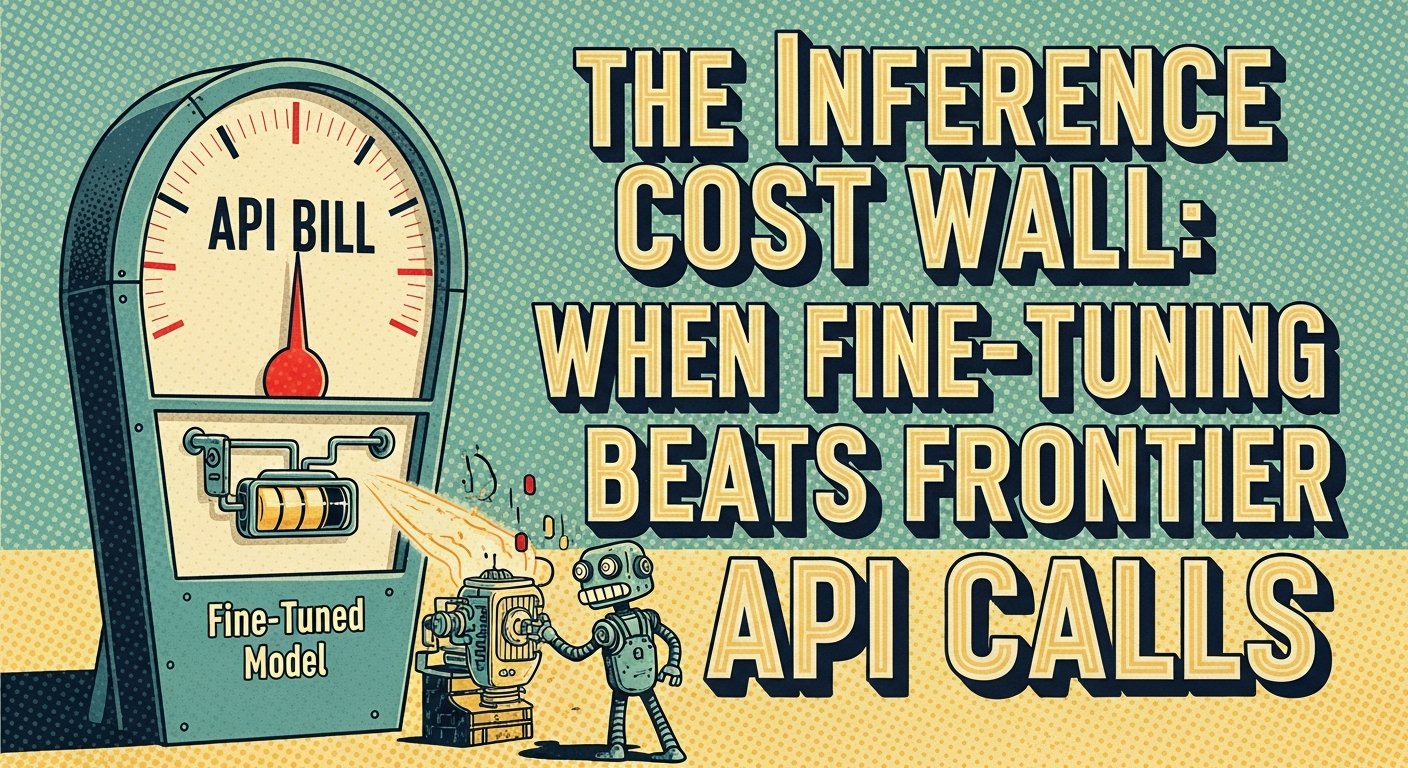
The inference cost wall in AI: analyzing the inflection point where running distilled models on neocloud infrastructure beats paying per-token for frontier models.