Open Kernel Modules in Practice: What NVIDIA's Open GPU Driver Changes for Platform Teams
Open GPU kernel modules improve debuggability and auditability for fleet operators, not performance. Here is who benefits and who can ignore them.
Cluster Hub
Silicon, JAX, Networking (NCCL/Ring bottlenecks), TPUs, GPU optimization, and Deep Tech.

Open GPU kernel modules improve debuggability and auditability for fleet operators, not performance. Here is who benefits and who can ignore them.

AirLLM runs 70B models on a 4GB GPU. The trick is not the sharding; it is that enterprise inference workloads break the edge cost model. Here is why GPU accessibility is not the same thing as cost...
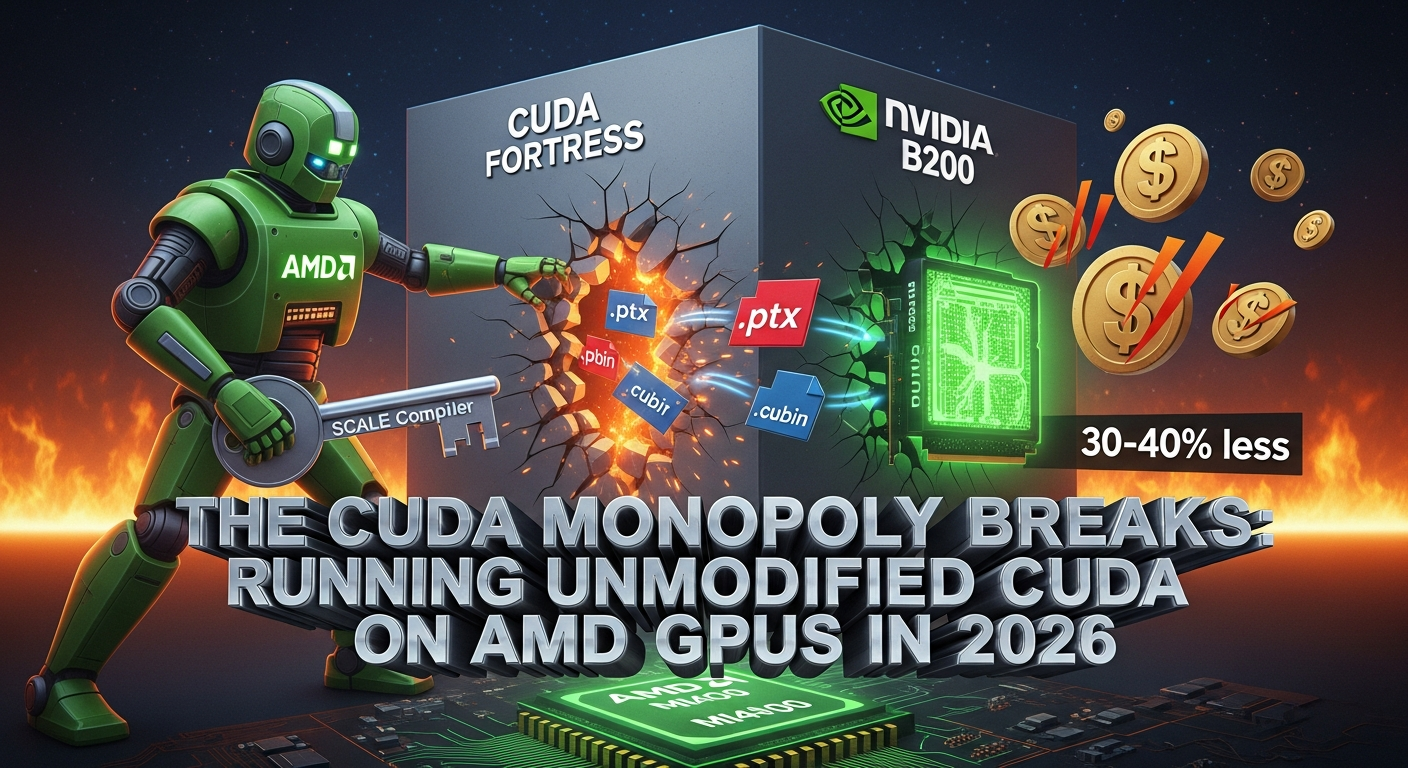
SCALE and other CUDA-compatibility layers are cracking Nvidia's software moat, letting unmodified CUDA binaries run on AMD hardware — though performance parity still isn't guaranteed. Here is what it...

Serverless inference promises pay-per-request economics but the five-second cold start destroys the user experience. Here is what actually works: persistent model workers, speculative warmers, hybrid...
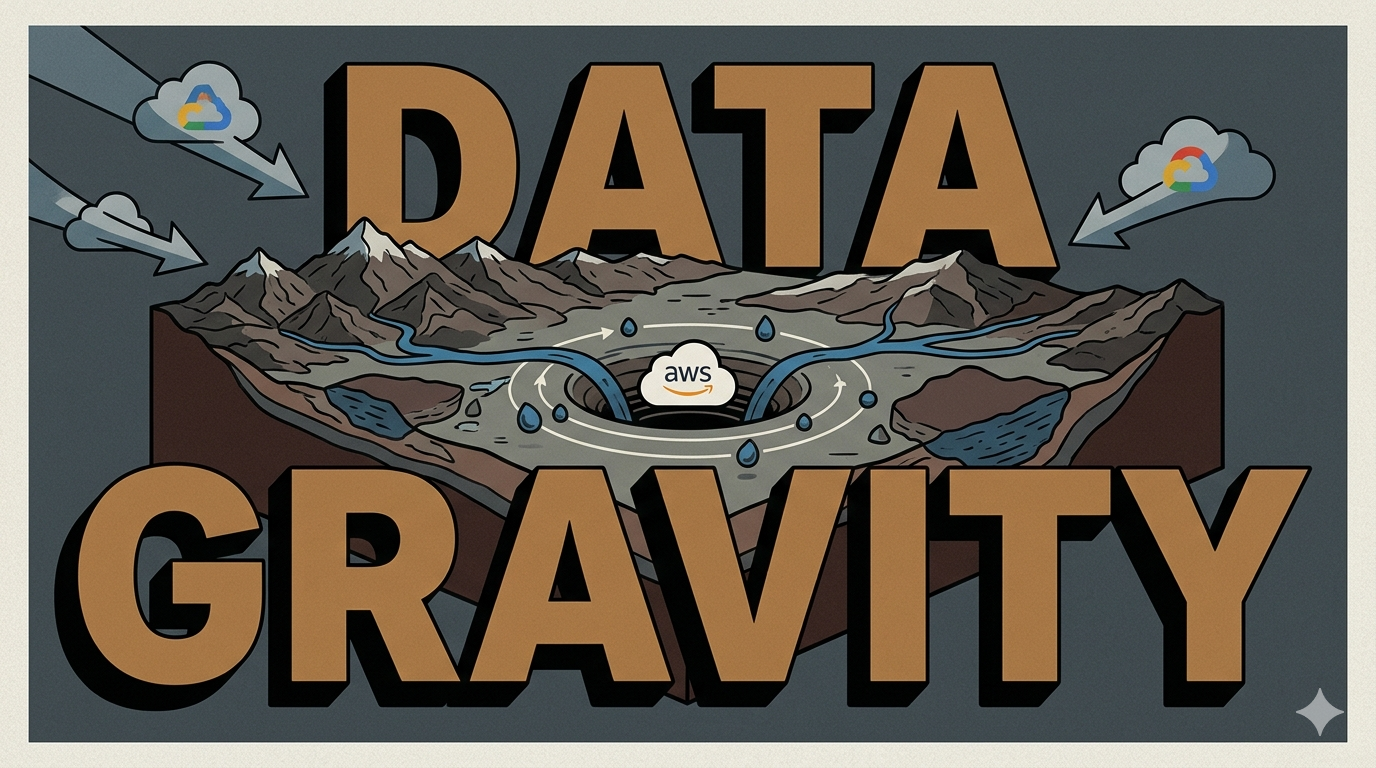
Your data location is no longer an afterthought. When every cloud provider promises the best AI infrastructure, the real tiebreaker is where your company's enterprise data already lives. We explore...

Native K8s orchestration is evolving to handle GPU scheduling, checkpointing, and live migration at the scale that AI demands.
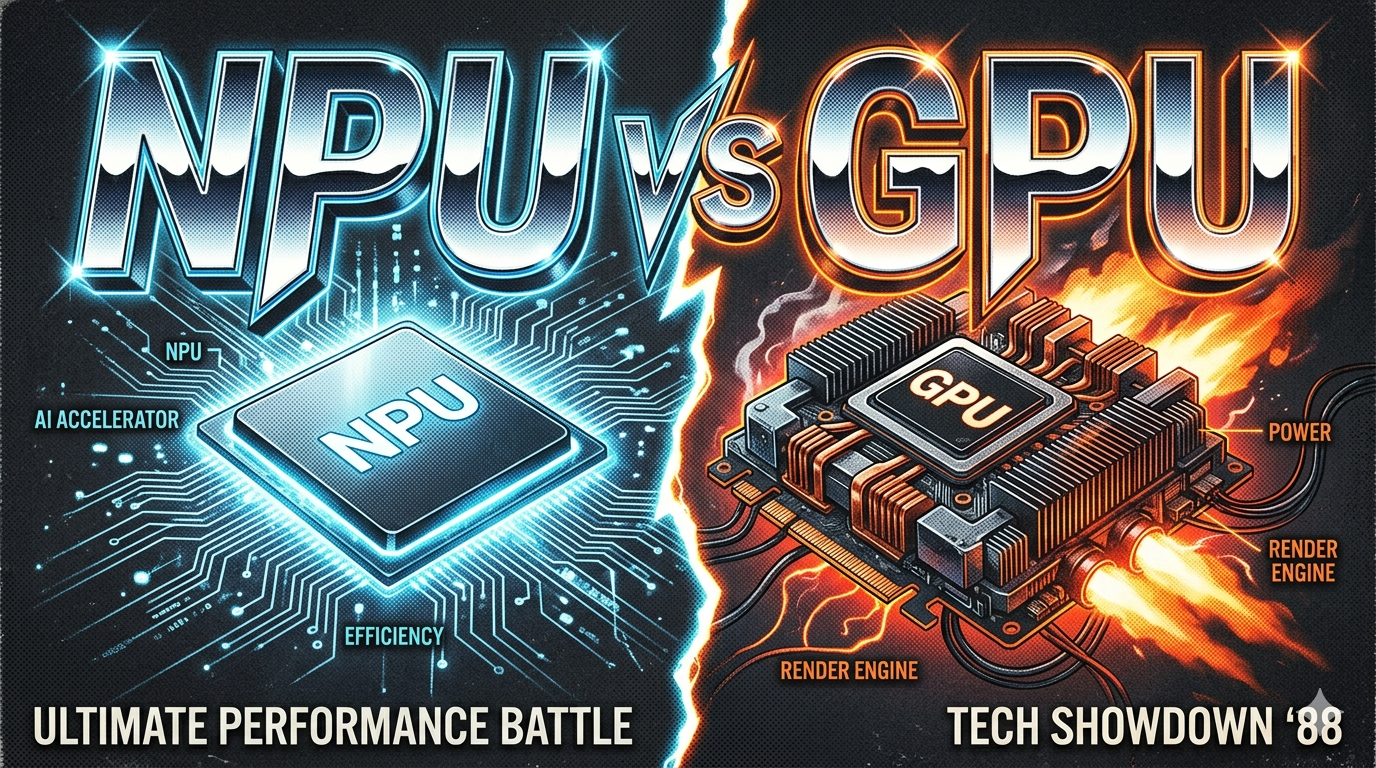
NPUs promise efficient edge LLM inference, but how do they actually compare to discrete GPUs under real production workloads?

Inference cost architecture: how smart model routing between frontier and distilled models creates real margin at scale. Unit economics, production examples, and the infrastructure decisions that...

The dominant narrative in AI infrastructure is wrong on multiple fronts. GPU supply dynamics, neocloud pricing advantages, hardware fungibility, crawl monetization, and open weights democratization —...
AI capital wall analysis: GPUs are no longer the scarcest resource. Data center capacity, liquid cooling, and power density are the real bottlenecks for scaling AI infrastructure in 2026.
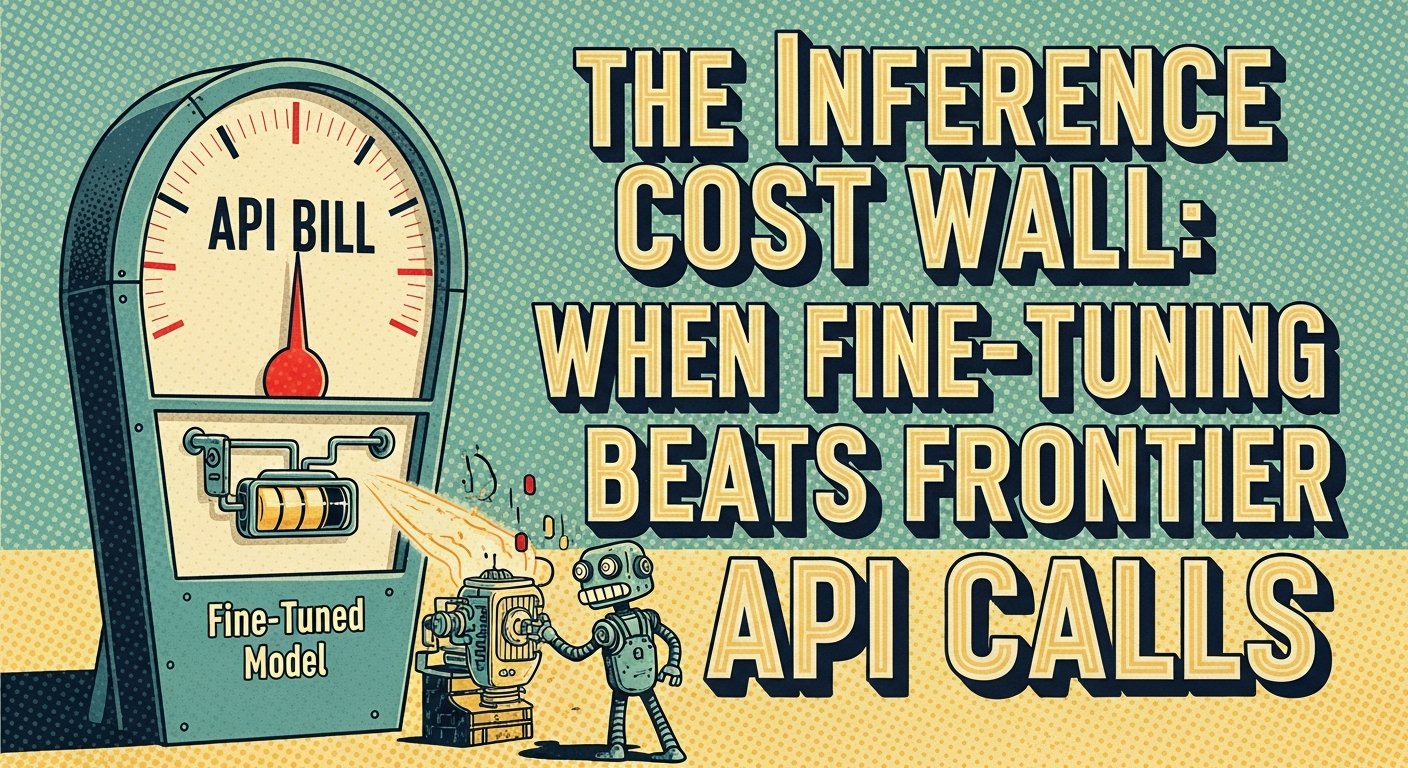
The inference cost wall in AI: analyzing the inflection point where running distilled models on neocloud infrastructure beats paying per-token for frontier models.

The infrastructure hacks required to make scale-to-zero LLM inference viable for production latency.

Vector search has hit a physical wall. Explore why CPU-bound indexing fails at scale and how FPGAs and custom ASICs are redefining the database layer.

How Google's LiteRT-LM framework handles session cloning and KV-cache management to run models like Gemini Nano natively on-device without exploding your memory.

Analyzing the bottleneck of bulk clustering and using exact-match caching to reduce index compute load.

To scale past 100k GPUs, the industry is replacing proprietary InfiniBand with AI-optimized Ultra Ethernet.

Don't lock into one vendor. Learn how to use an abstraction layer to route training and inference workloads to the cheapest available capacity across hyperscalers and neoclouds.

Moving beyond exact-match caching for repetitive zero-shot inference workloads. Learn how to architect semantic caching to slash latency and compute costs.
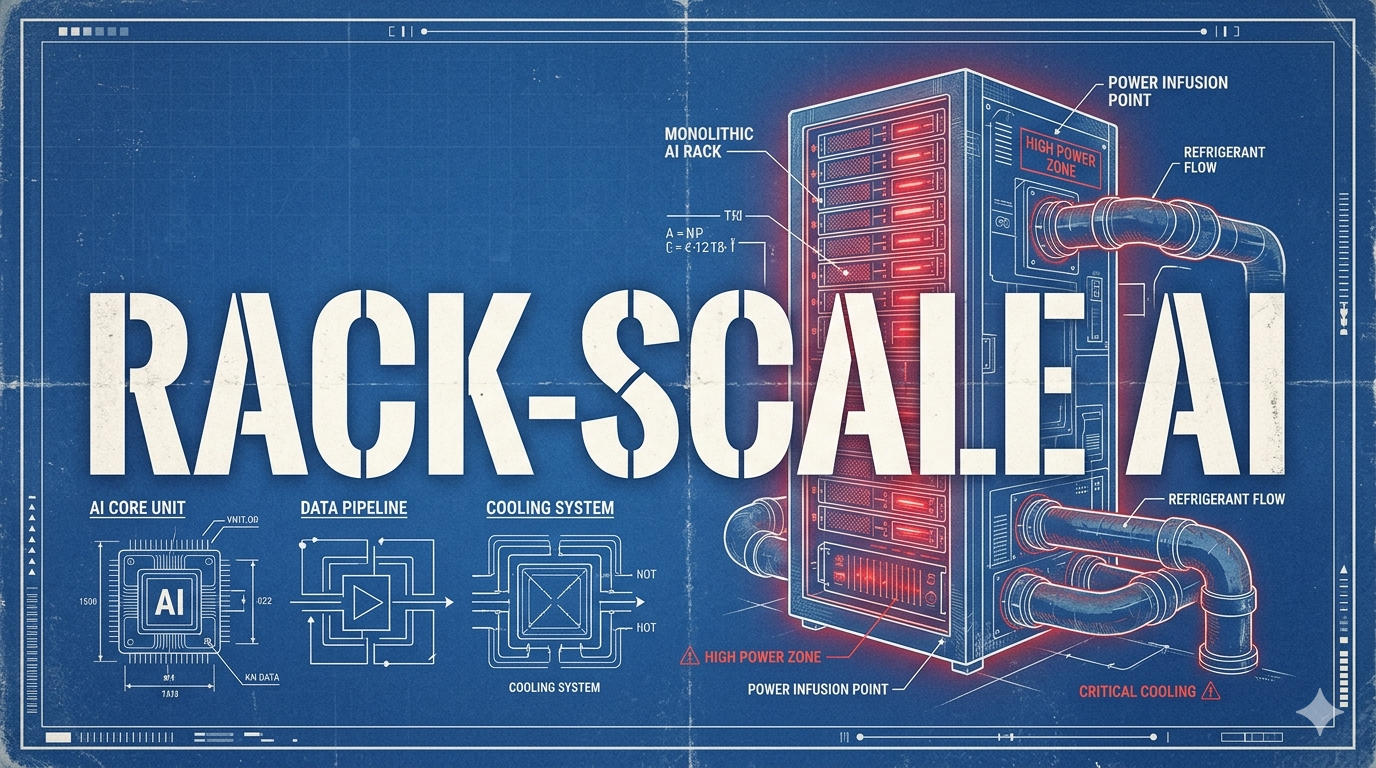
We have hit the physical limits of what a single chip can do. The new unit of compute for AI infrastructure isn't the GPU; it's the fully integrated rack.
TTFT vs ITL explained: why Time to First Token matters more than average latency, and how to separate prefill vs decode.

As context windows scale to a million tokens, the KV cache becomes too large for GPU memory. The solution is a multi-tiered cache that offloads data to CPU and NVMe without killing latency.
xAI Grok architecture explained: how xAI built Grok from training data to JAX/Rust compute infrastructure and GPU clusters.
How Google TPU SparseCore solves embedding lookup bottlenecks in recommender models. Learn the co-designed architecture of Trillium's SparseCores.

AI training chip performance data: analyzing real scaling from Hopper to Blackwell. 3.2x training, 50x inference gains, and why memory bandwidth matters more than FLOPs.
Comparing raw memory management strategies for infinite-context enterprise agents.
Your beloved stateless Kubernetes architecture is fundamentally at war with the massive, stateful memory requirements of long-context LLM inference. We need a truce.
vLLM continuous batching and PagedAttention explained: see how dynamic KV cache allocation eliminates memory fragmentation and boosts GPU throughput by 3x–5x.

Deep dive into deploying agentic ai as a service (aaas).

The bottleneck for LLMs is memory bandwidth, not compute. Discover how to use speculative decoding on GCP to achieve 3x speedups by using small "draft" models to accelerate massive "oracle" models.
CPU load is a trailing indicator for AI inference. Discover how to use libtpu metrics and the GKE Gateway API to build high-density, memory-aware traffic routing for TPUs.

Agents are stateless. Their memory is not. Scaling the LLM reasoning loop is trivial compared to solving the transactional concurrency of agent memory on Kubernetes.

JAX Pallas kernels: NVIDIA GPU programming API for high-performance compute. Write optimized kernels for matrix multiplication and memory access.

See how speculative decoding performs for single-batch requests on an NVIDIA A100. We analyze acceptance rates, latency, and the mechanics of the draft model gamble.
A war story of chasing a 5ms latency spike to a single loose thread. How to read Nsight Systems and spot Warp Divergence.

Recompilation is the silent killer of training throughput. If you see 'Jit' in your profiler, you are losing money. We dive into XLA internals.
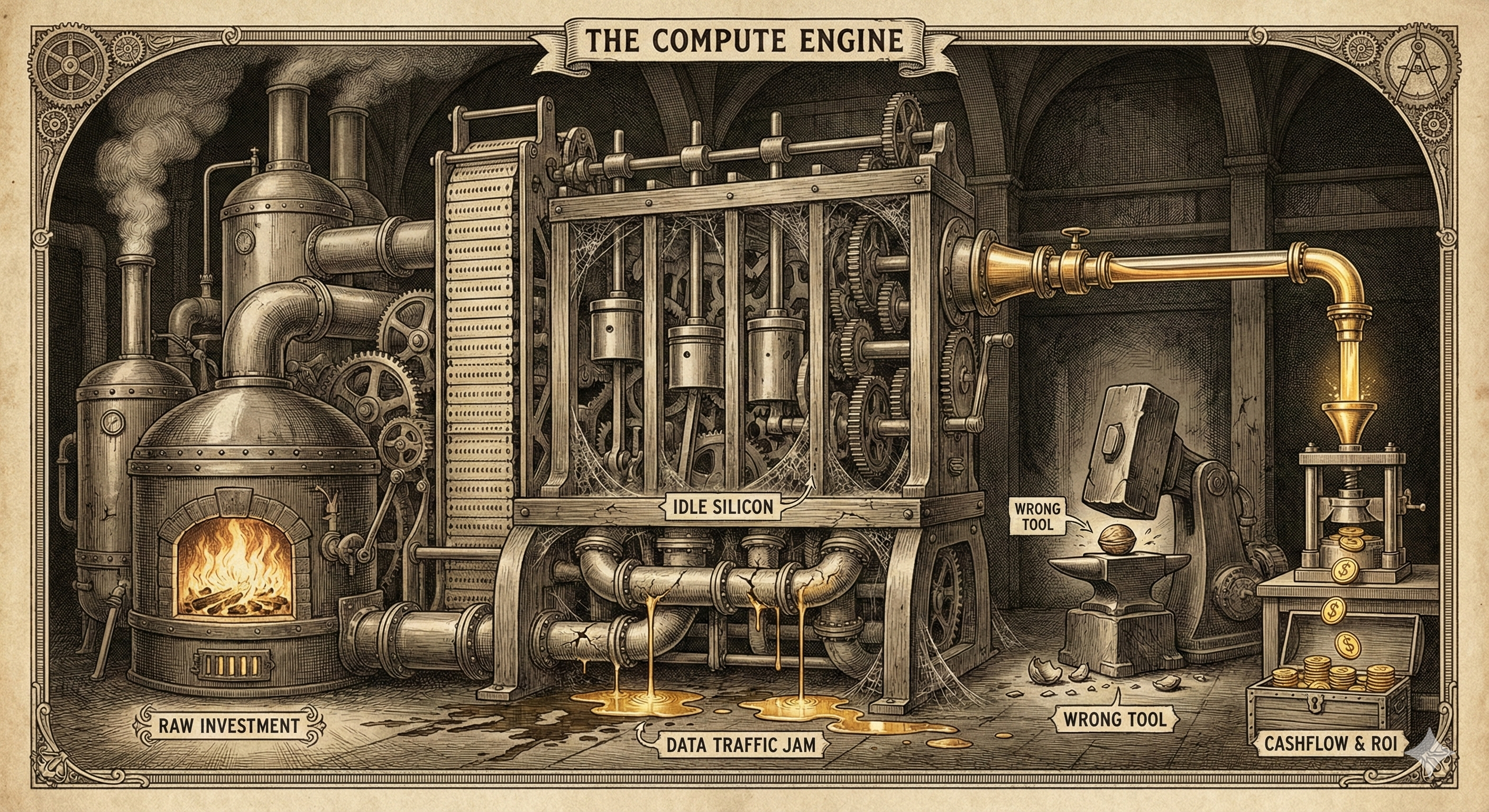
The AI industry is shifting from celebrating large compute budgets to hunting for efficiency. Your competitive advantage is no longer your GPU count, but your cost-per-inference.
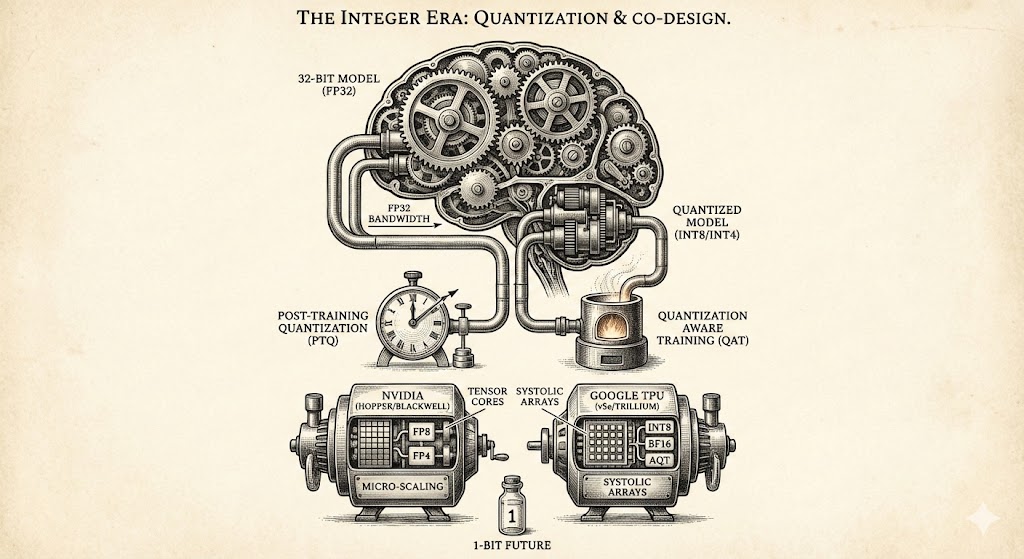
Explore how quantization and hardware co-design overcome memory bottlenecks, comparing NVIDIA and Google architectures while looking toward the 1-bit future of efficient AI model development.
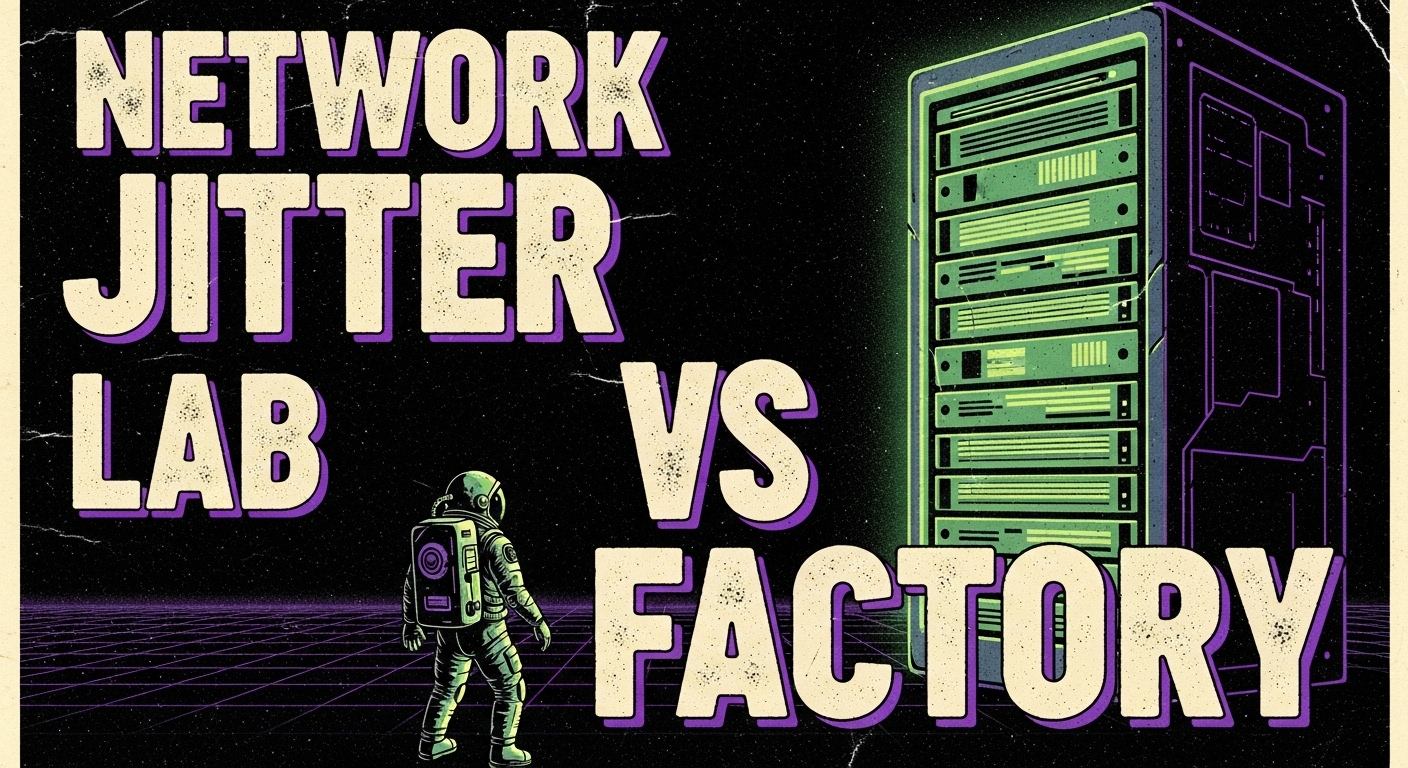
In distributed training, the slowest packet determines the speed of the cluster. We benchmark GCP's 'Circuit Switched' Jupiter fabric against AWS's 'Multipath' SRD protocol.

As the AI industry moves from model training to large-scale deployment, the strategic bottleneck has shifted from parameter count to inference orchestration. This post explores how advanced...

JAX vs custom C++ AI training stack: why compiler-first JAX cuts data movement and improves throughput 2.7x for model training.
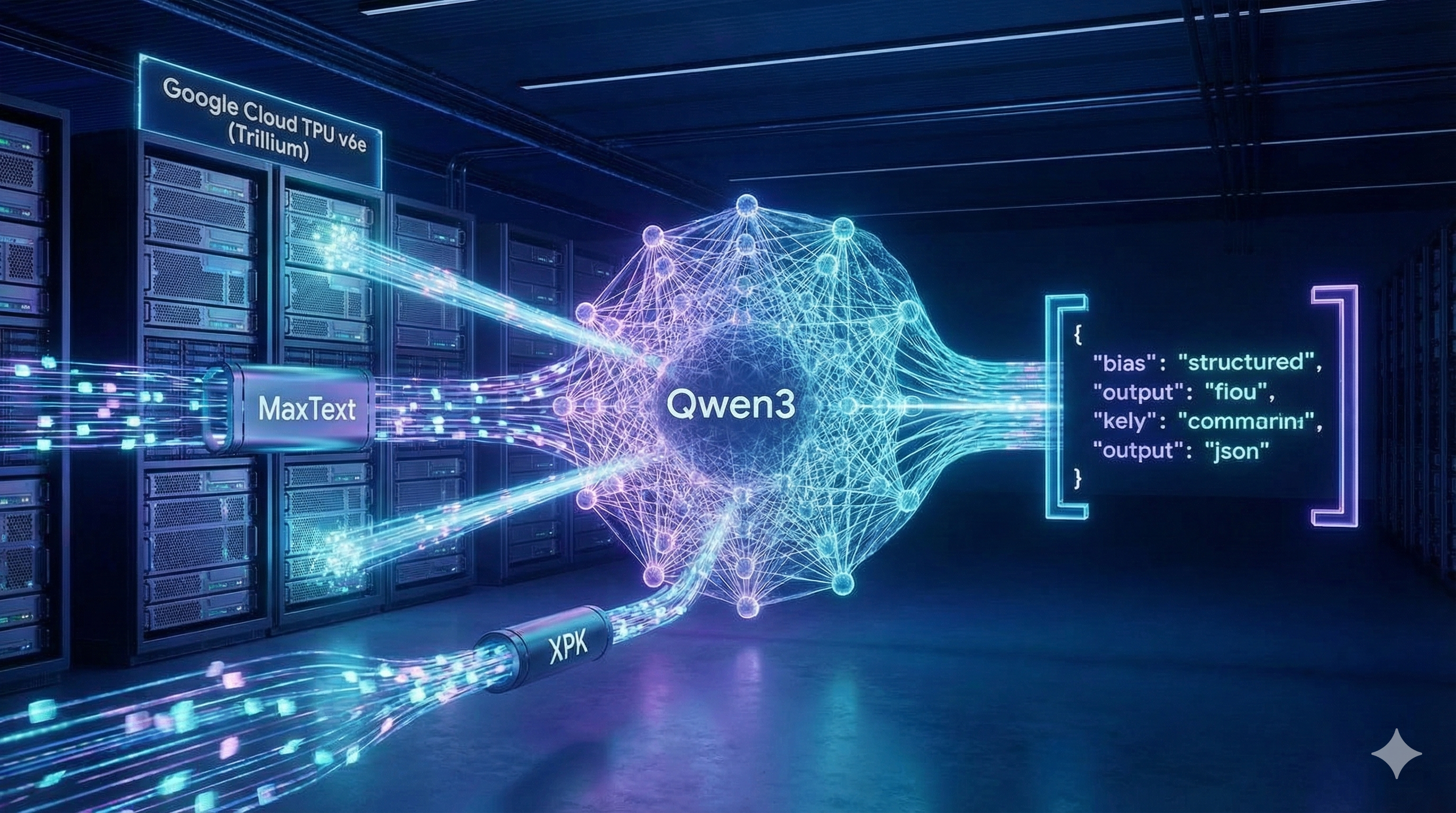
An end-to-end guide to orchestrating Custom Qwen3 pre-training on Google Cloud's Trillium TPUs. I dive into modifying the Qwen3 architecture for structured JSON outputs, leveraging XPK for...

As hardware lead times and power constraints hit a ceiling, the competitive advantage in AI has shifted from chip volume to architectural efficiency. This article explores how JAX, Pallas, and...

Google Cloud’s G4 architecture delivers 168% higher throughput by maximizing PCIe Gen 5 performance. This deep dive examines the engineering stack driving these gains, from direct P2P communication...
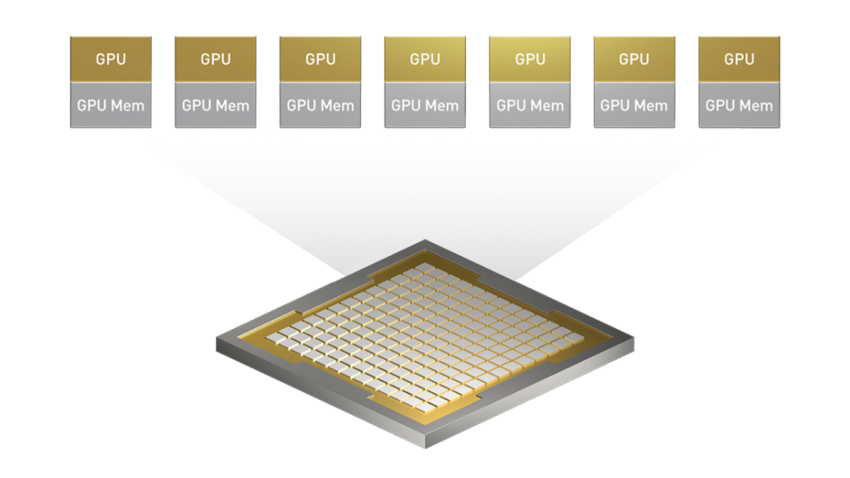
Understanding how to partition a single GPU into multiple isolated instances for cost-efficient AI workloads, with a deep dive into NVIDIA's MIG technology and the architectural differences between...
As organizations pivot from AI experimentation to enterprise-scale deployment, a recurring structural friction often emerges. Through my engagements with leadership teams in APAC, it has become clear...
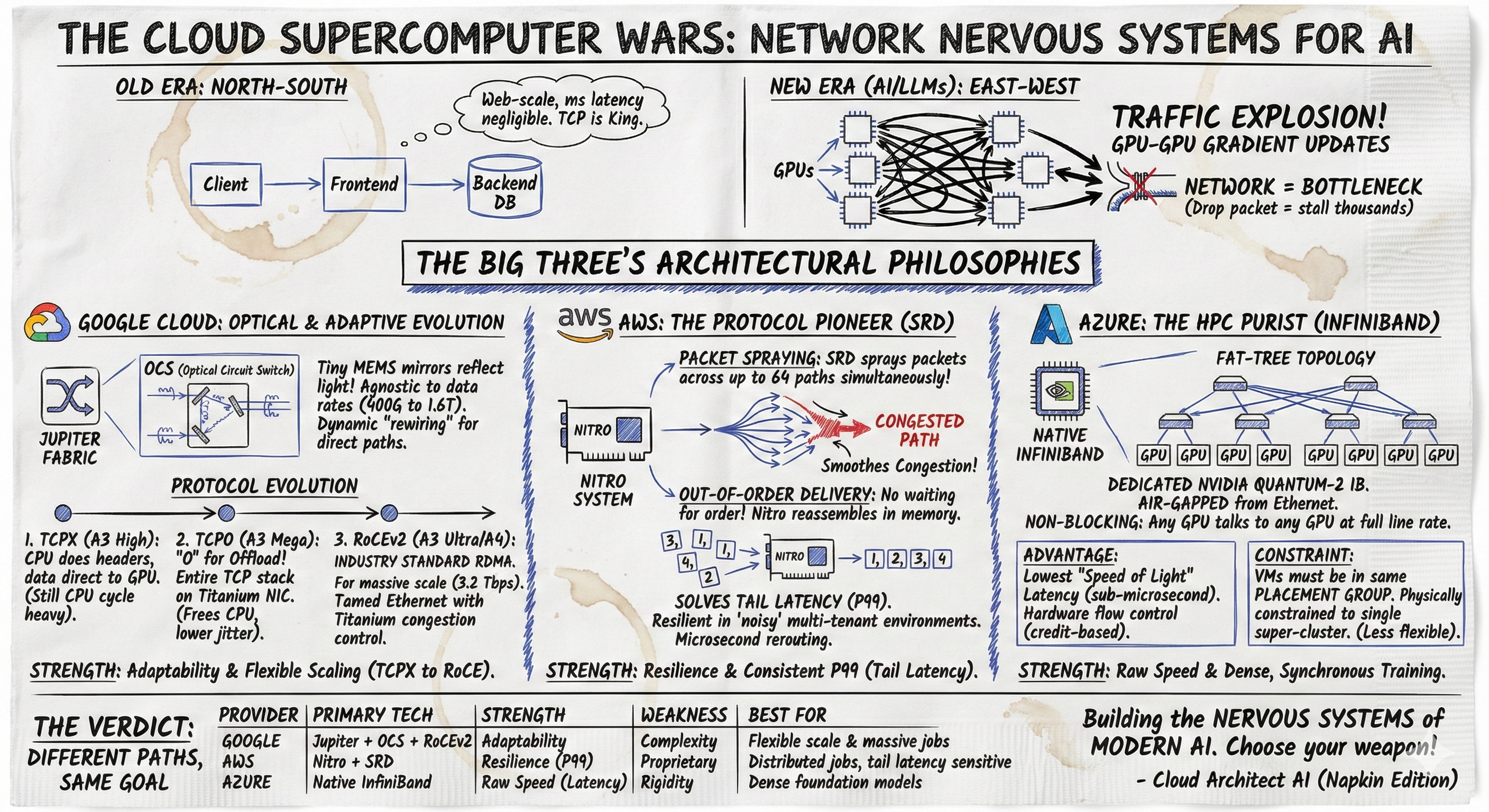
Generative AI has shifted data center traffic patterns, making network performance the new bottleneck for model training. This post contrasts how the "Big Three" cloud providers utilize distinct...

Demystifying hardware acceleration and the competing sparsity philosophies of Google TPUs and Nvidia. This post connects novel architectures, like Mixture-of-Experts, to hardware design strategy and...

AI benchmarks are fundamentally broken, putting enterprise budgets at risk. This post deconstructs the technical flaws and outlines a strategy for building internal evaluations that actually predict...

This post contrasts the switching technologies of NVIDIA and Google's TPUs. Understanding their different approaches is key to matching modern AI workloads, which demand heavy data movement, to the...

It's not just about specs. This post breaks down the core trade-off between the GPU's versatile power and the TPU's hyper-efficient, specialized design for AI workloads.

A guide for technology executives on how to move beyond proofs-of-concept and realize sustainable, transformative value from agentic AI by focusing on business-first strategies.
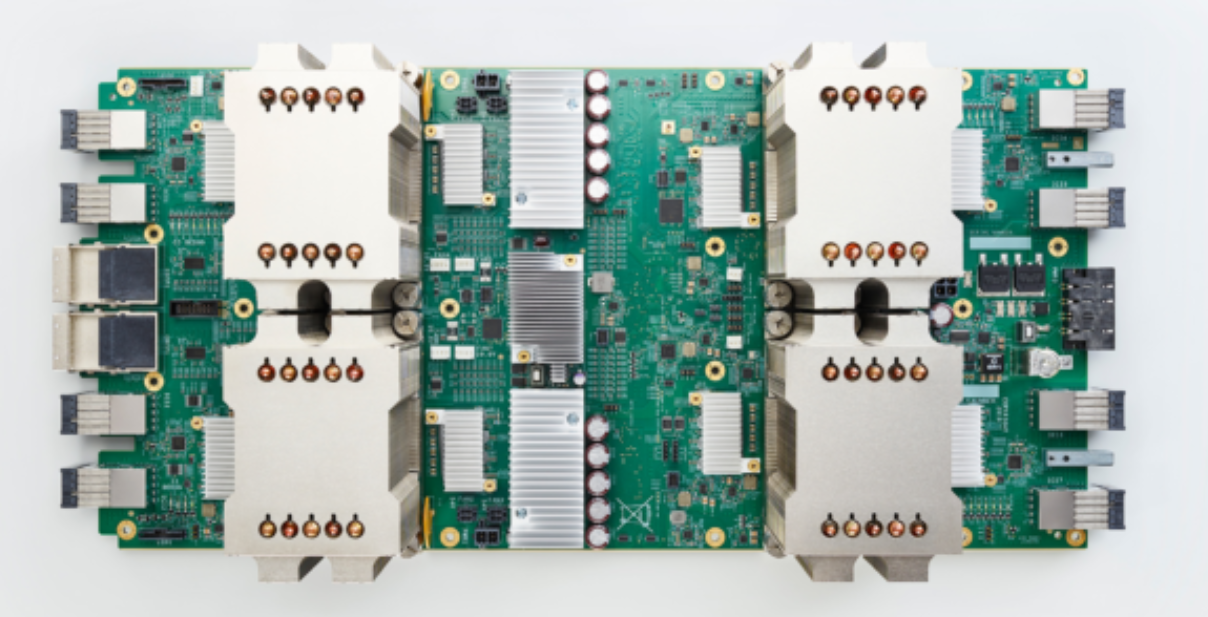
Large-scale recommendation models involve a two-part process. First, a "sparse lookup" phase retrieves data from memory, a task that is challenging for standard GPUs. Second, a "dense computation"...

Technical debt is not new, This weekend I went down the trail to read-up on its impact due to the increased throughput of code generation thanks to AI. Turns out AI code generation is a double-edged...