· Strategy
Agentic Coding Security: Governing AI-Written Code in the SDLC
Agentic coding security starts by treating agent-written code as a supply-chain input: track provenance, scope permissions and keep audit trails.
Agentic coding security starts by treating agent-written code as a supply-chain input: track provenance, scope permissions and keep audit trails.
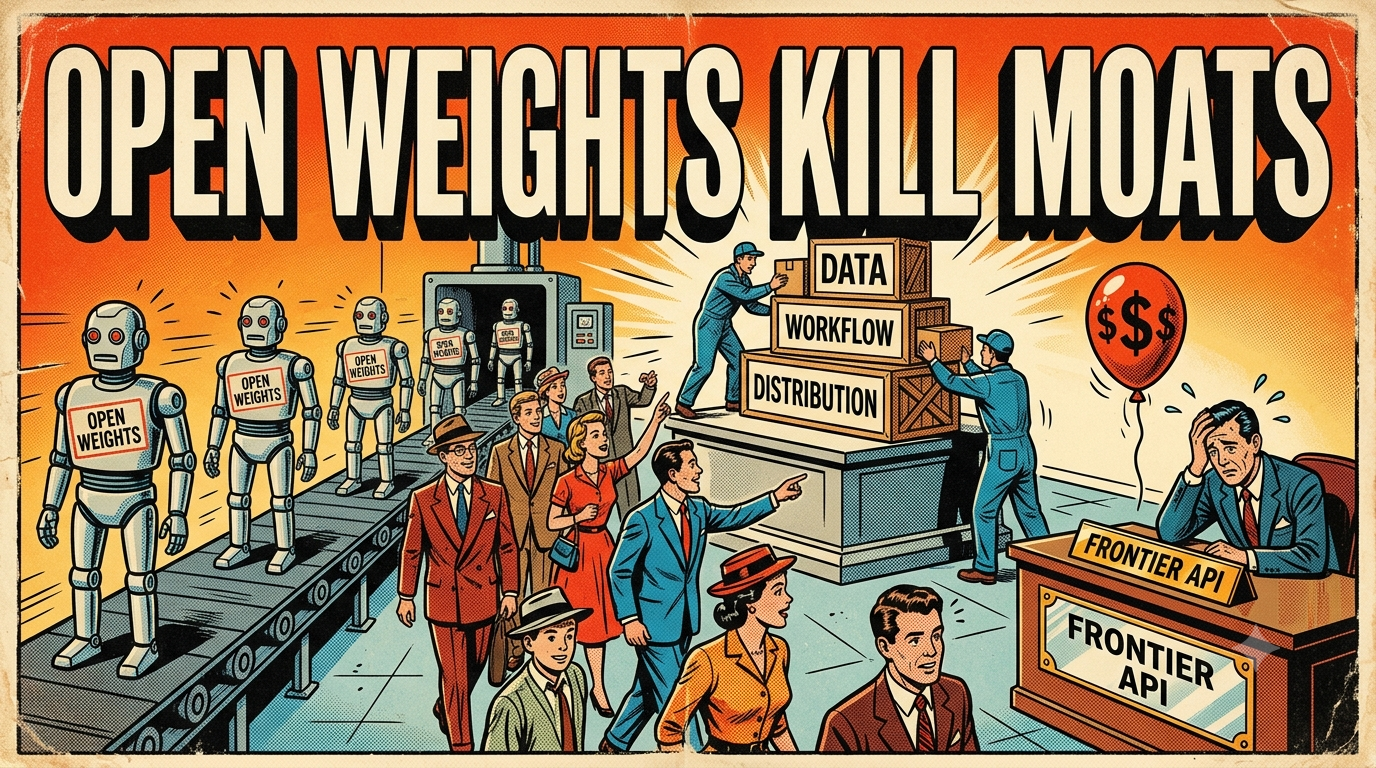
Open weights reshaped the model moat for commodity-tier workloads. The assets that compound are first-party data, workflow ownership, and distribution, not parameter scale. A framework for what to actually protect.
Agents with cloud credentials execute thousands of API calls per minute. Standard billing guardrails built for human interaction break entirely. Here is how to architect cost governance at machine speed.
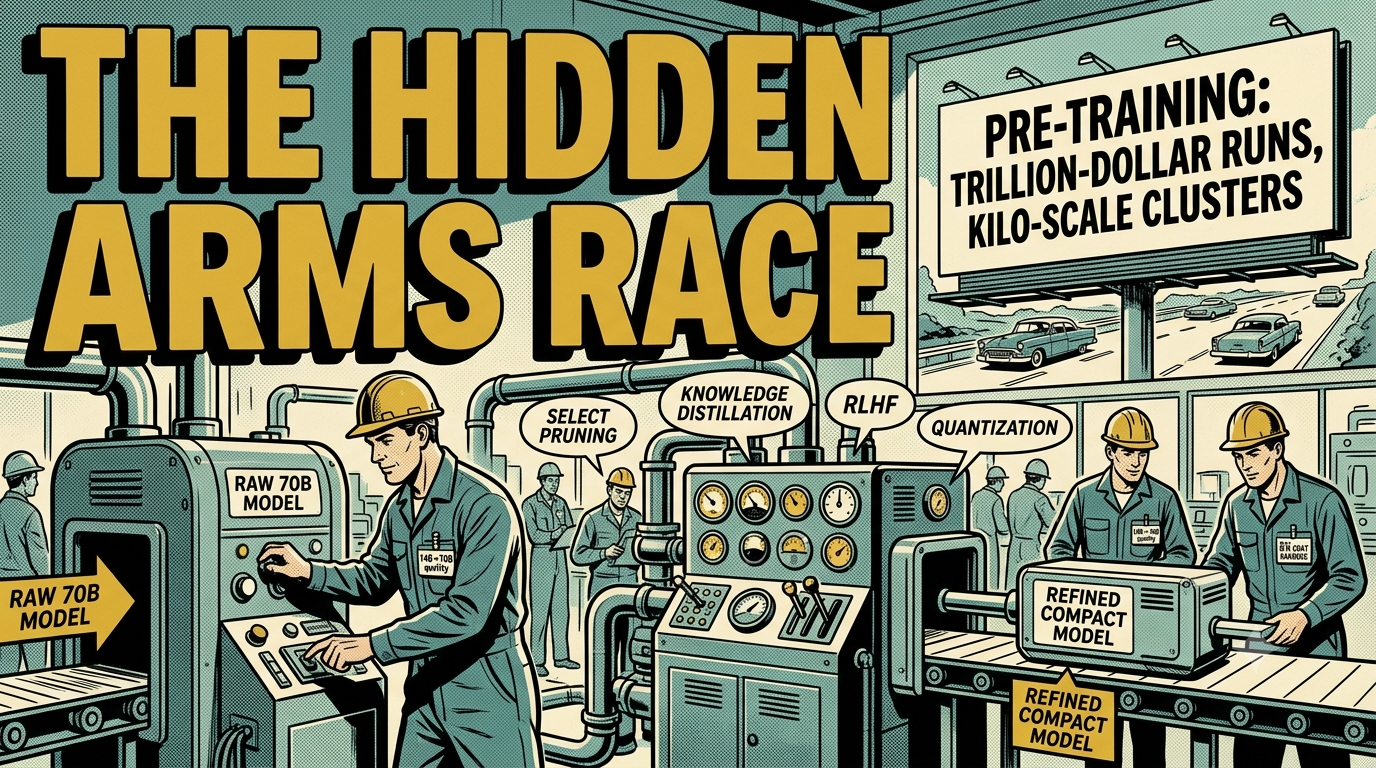
All frontier labs have converged on distillation as their primary post-training method. The real innovation is no longer in pre-training but in post-training pipeline design. Here is why distillation will define competitive advantage in the next AI cycle.
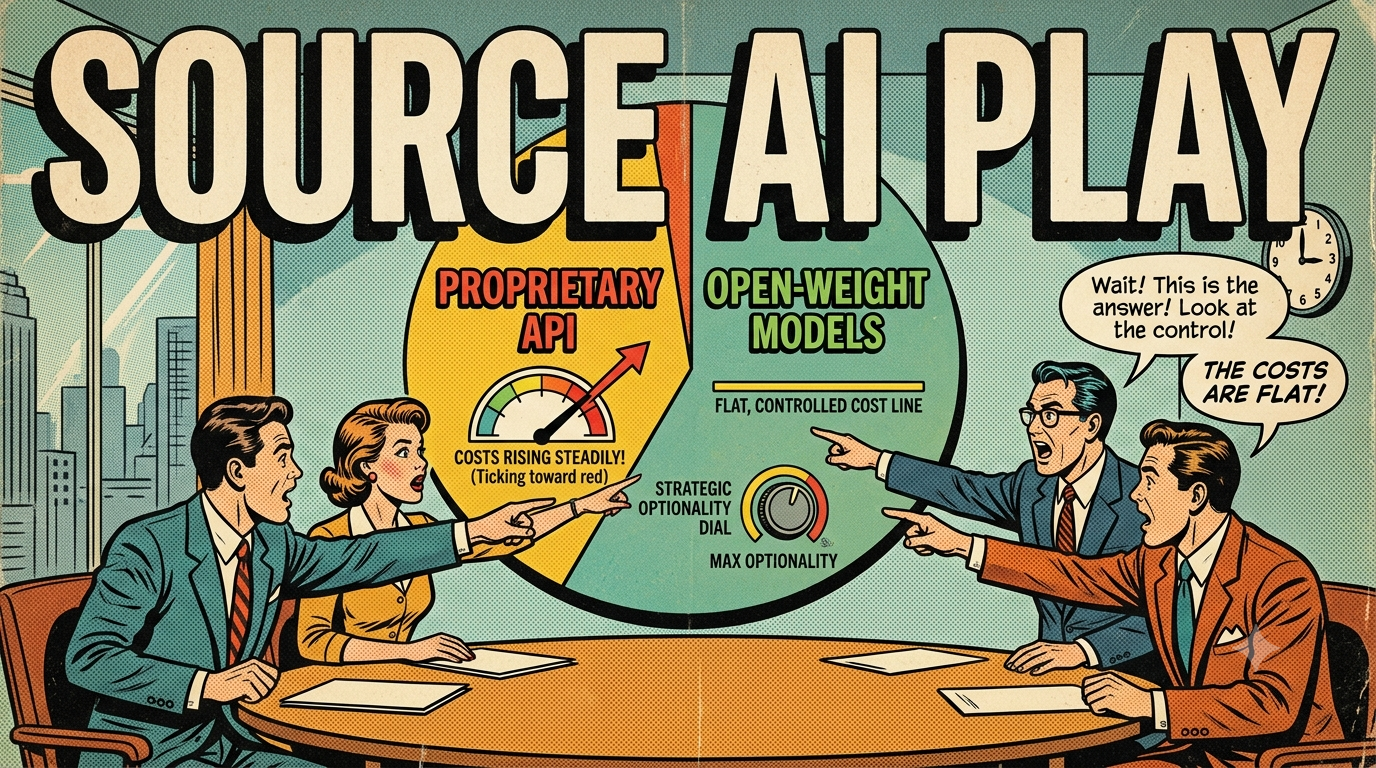
Boards are waking up to what engineering teams have known for eighteen months: for high-volume, low-risk workloads, open-source AI models often beat proprietary APIs on margin. This is not about ideology, it is about unit economics and workload-specific routing. The firms still paying frontier-API prices for every workload, and the firms that abandoned frontier APIs entirely, are both leaving margin on the table.
Humans cannot keep pace with AI outputs at scale. Here is why enterprise growth relies heavily on Constitutional AI, rather than just throwing more human reviewers at the problem.