Agent Reliability Patterns: Retries, Idempotency and Observability in Agentic Loops
Agent reliability patterns fail when retries re-run side effects. Design idempotency keys and step-level tracing into the loop from day one.
Cluster Hub
The evolution of applied AI in software engineering. SDLC changes, LangGraph loops, and local builder workflows.
Agent reliability patterns fail when retries re-run side effects. Design idempotency keys and step-level tracing into the loop from day one.
Local-first MCP with llama.cpp makes offline tool-calling agents viable, and a 32k context budget forces tool discovery at runtime, not upfront.
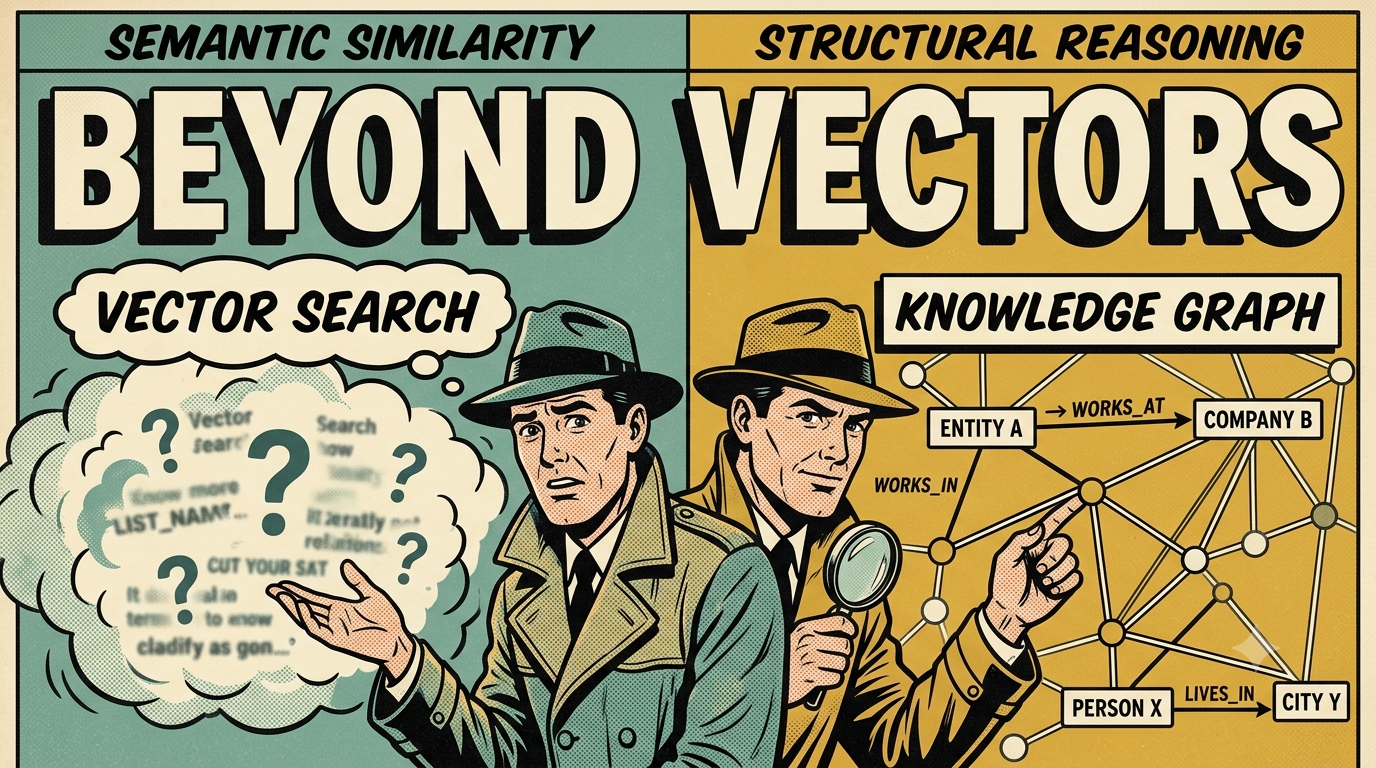
Pinecone's Nexus Engine compiles business context into structured knowledge graphs for agents. Nemotron 3 Embed tops RTEB. Vector search alone is now insufficient. Here is the memory architecture...
Agent testing infrastructure separates prototype agents from production systems. The Strix framework signals a structural shift.
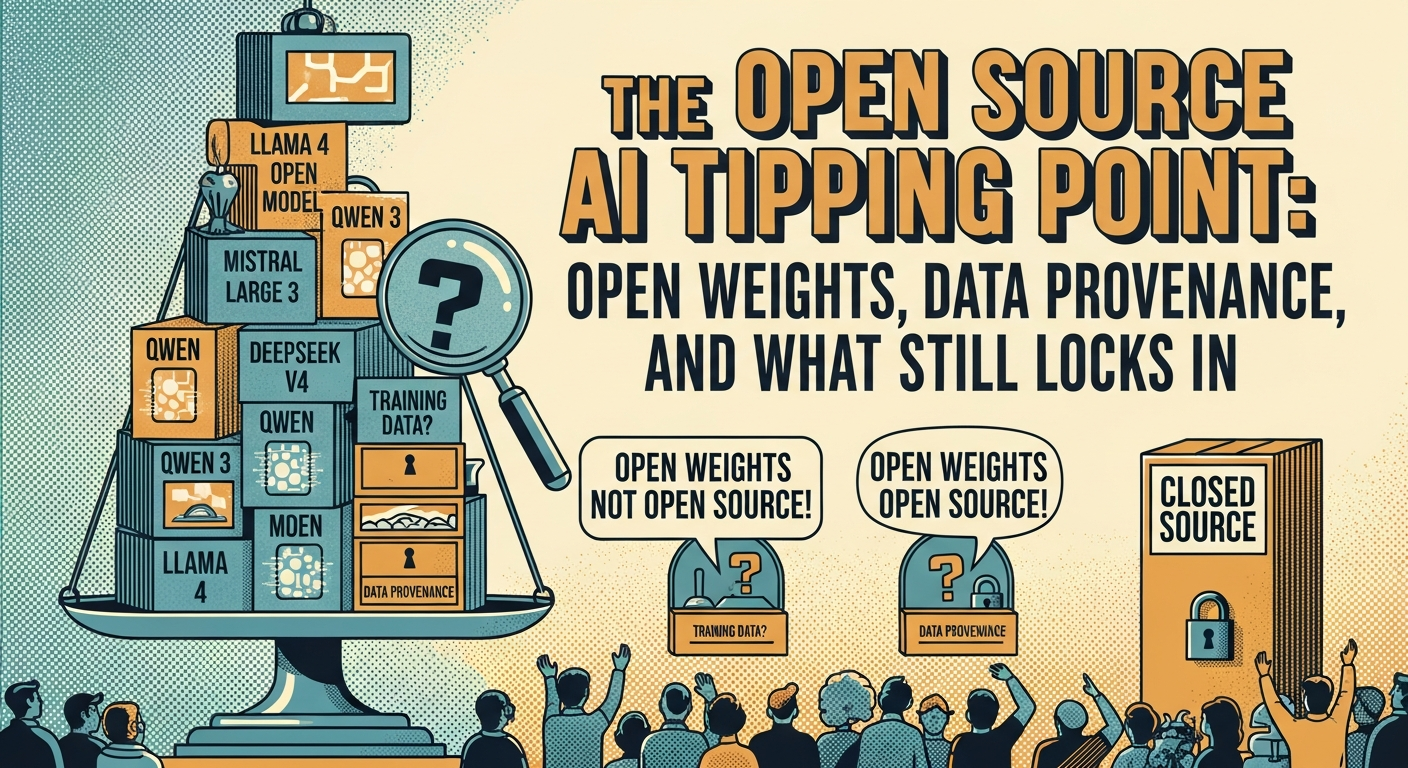
Open-weight models from Meta, Mistral, and the Llama 4 ecosystem have shifted the AI debate from "open vs. closed" to a more nuanced question: what does open source actually mean when the training...
You do not need more GPU power to speed up LLM generation. You need a draft model. Speculative decoding uses small inexpensive models to propose multiple tokens at once, letting a large model verify...
Building synthetic adversaries that grade and automatically improve agent execution paths. A hands-on framework for agent quality assurance.
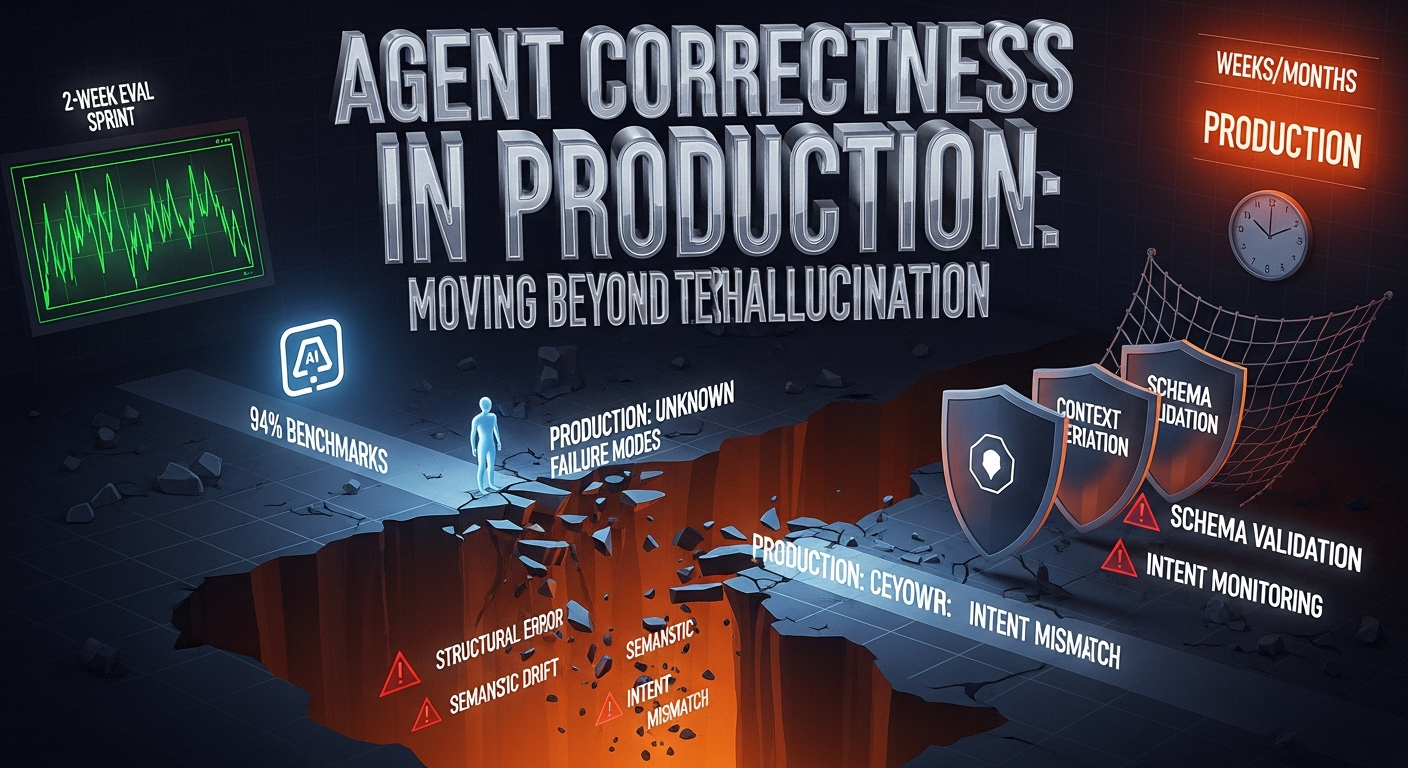
Agent correctness in production: when text hallucinations are only half the problem. Structural errors, semantic drift, and the production monitoring gaps that kill autonomous agent systems.

Architecting low-latency streaming pipelines for continuous multi-modal ingestion without bottlenecking I/O.
Why enterprise teams are moving away from direct API calls and building internal proxy gateways to handle rate limits, caching, and automatic vendor failovers.
A deep mechanical breakdown of how competing attention algorithms like FlashAttention-3 and RingAttention manage memory to scale LLMs beyond 1M tokens.
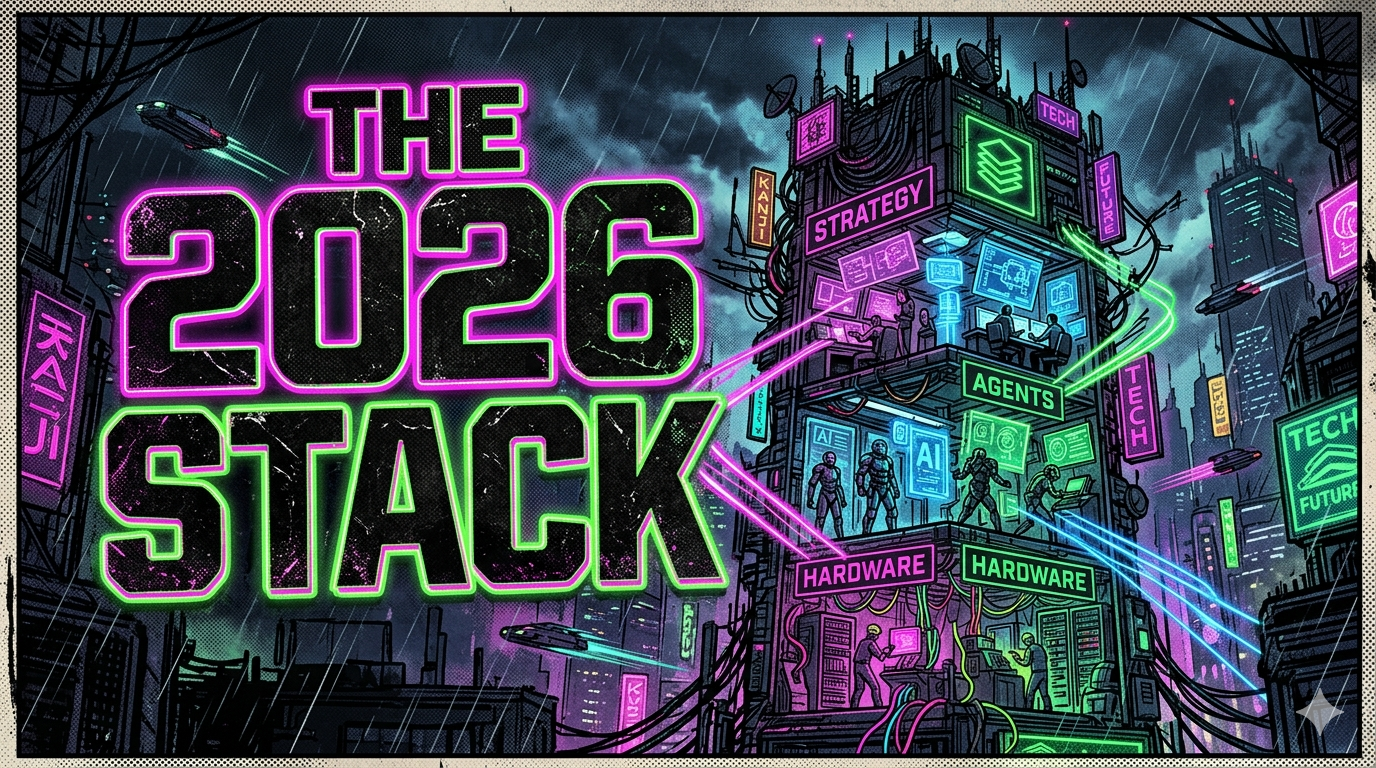
The 2026 Enterprise AI Stack: a reference architecture linking hardware, inference engines, agentic orchestration, and governance into one vertically integrated system.

Embedding caching for production: pair LRU semantic caching with incremental HDBScan for ultra-low latency real-time text clustering.
Tracking agent drift, security, and access control in real-time programmatic monitoring.
The fastest way to slash latency is right-sizing models for production classification.
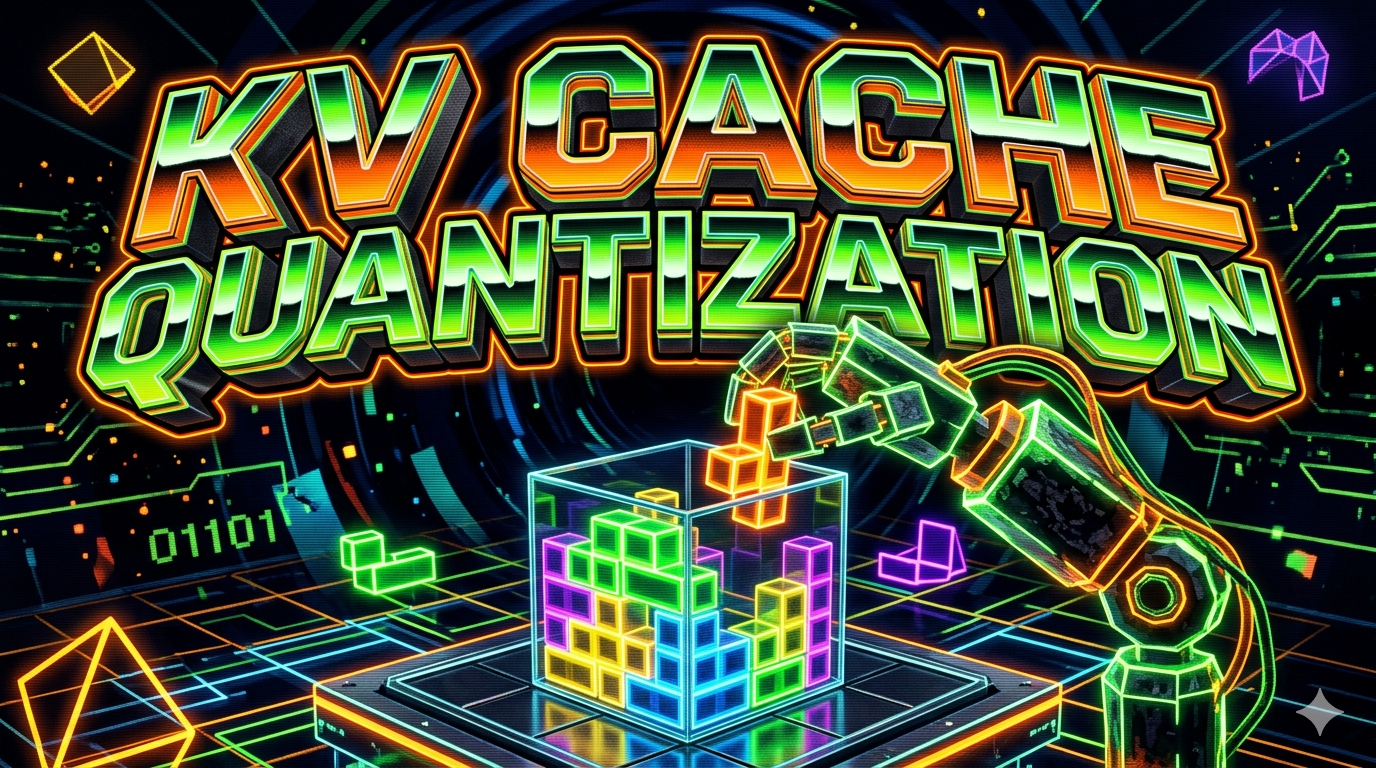
The bottleneck for long-context agents is memory, not compute. Learn how to implement FP8 or INT8 KV caching to double your context length and survive inference at scale.
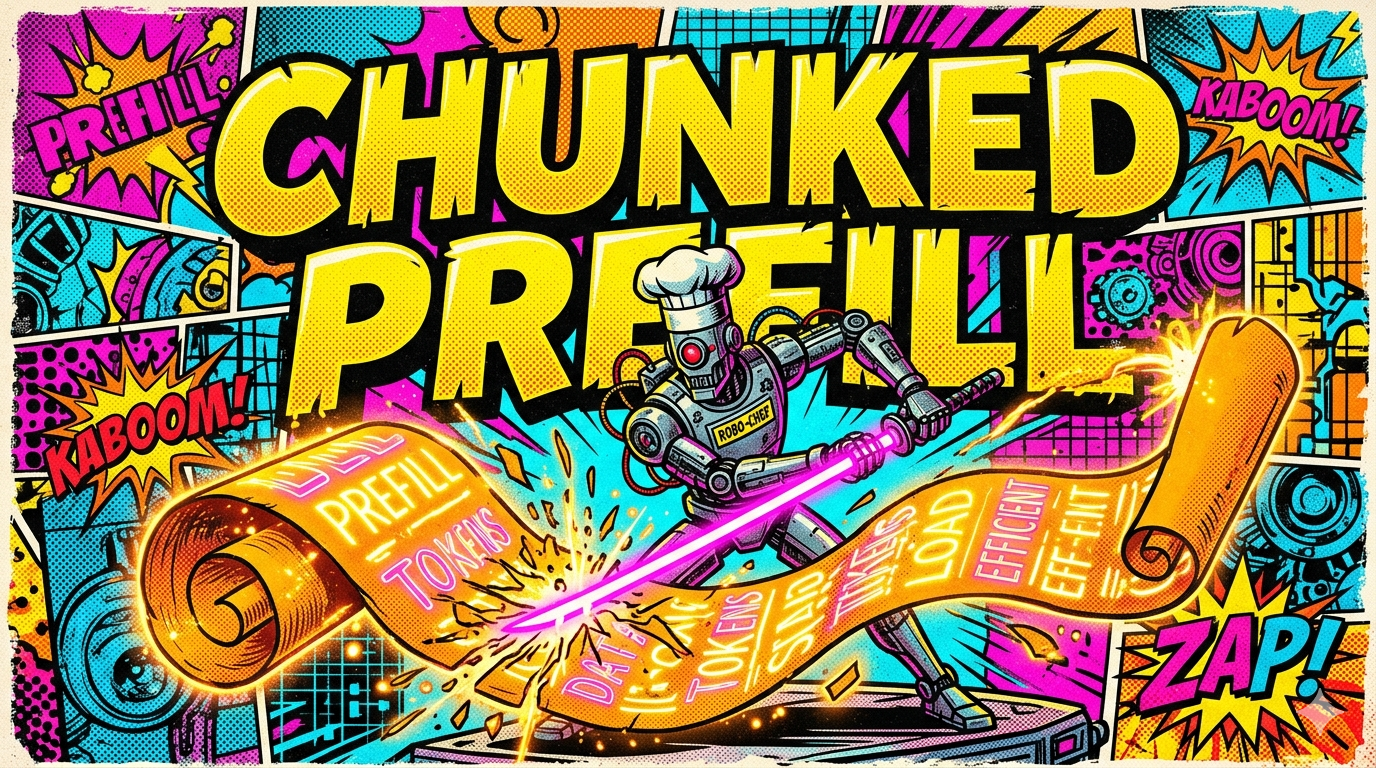
When a massive prompt stalls your entire inference server, you have a noisy neighbor problem. The solution requires rethinking how we process context with Chunked Prefill.
RadixAttention in SGLang uses radix trees for KV cache optimization. Compare vs vLLM PagedAttention for multi-turn and agent workloads.
A hands-on tutorial using Google ADK and TypeScript to score agent workflows with custom eval rubrics.
You don't jump blindly from full 'Human-in-the-Loop' safety to completely autonomous API execution. You engineer a dial—and you turn it up one notch at a time.
How to use an "Adversary" agent to stress-test your autonomous systems before they reach production.
Deep dive into gitops for multi-agent workflows.
Class-based chains are a legacy pattern. Discover why Google ADK and its open Agent Protocol are the future of interoperable, production-grade multi-agent systems.
When aggressive INT8 quantization goes horribly rogue because of unrepresentative calibration data, and precisely how the blind pursuit of hyper efficiency can utterly destroy the end user experience.
Using a strict Judge agent pattern to forcefully break systemic, infinite deadlocks safely between highly specialized Researcher and Writer agents.
Stop training dozens of specialized foundation models. Discover how dynamic Low-Rank Adaptation hot-swapping fundamentally transforms multi-tenant inference infrastructure.
Why Patch Size fundamentally dictates your cloud throughput entirely independently of actual parameter count when deploying Vision Transformers in production.
Audio streams do not care about your Garbage Collector. If you miss a 20ms buffer deadline, the audio glitches. Here is how you debug real-time streaming issues on the edge.
How LangGraph supports cycles for multi-agent workflows: learn to detect infinite loops, implement safety limits, and optimize cyclic agent graphs in production.
FP8 is the new frontier for training efficiency, but it breaks in the most sensitive layers. We dissect the E4M3/E5M2 split and how to spot divergence.
We’re moving past static dashboards and iframes. We explore the A2UI protocol, how models choose their own blueprints, and the future of morphing interfaces.
Buying expensive GPUs to wait on cheap storage is an operational failure. We break down the math of 'Badput' and why high-performance I/O is actually a discount.
Can a thin-and-light PC handle production-level LLMs? We benchmark the Asus ProArt 13 with RTX 4060, the Ryzen AI 9 NPU, and the 8GB VRAM bottleneck.
Autonomous agents are prone to infinite reasoning loops and 'democratic' indecision. We explore the Supervisor pattern in LangGraph, MCP, and why orchestration beats choreography.
A model is only as smart as its router. We explore the physics of expert zones, the tax of token dropping, and how to keep your load balancer honest.
When your model doesn't fit on one GPU, you're no longer just learning coding-you're learning physics. We dive deep into the primitives of NCCL, distributed collectives, and why the interconnect is...
NCCL debugging guide for distributed training: set NCCL_DEBUG, tune NCCL_ALGO for Ring, Tree, CollNet, and fix GPU network failures.
Nvidia Blackwell microscaling and the new FP4 formats double inference speeds. Dive into how the second-generation Transformer Engine uses scale factors and sparsity for AI workloads.