Gemini CLI Hooks: Automating Agentic Developer Workflows
Gemini CLI hooks enable developers to seamlessly automate codebase context injection and build self-correcting ReAct loops without manual copy-pasting.
Gemini CLI hooks enable developers to seamlessly automate codebase context injection and build self-correcting ReAct loops without manual copy-pasting.
Recompilation is the silent killer of training throughput. If you see 'Jit' in your profiler, you are losing money. We dive into XLA internals.
Most enterprise AI fails not because of the model, but because of the 'Last Mile' integration costs. We breakdown the hidden latency budget of RAG.
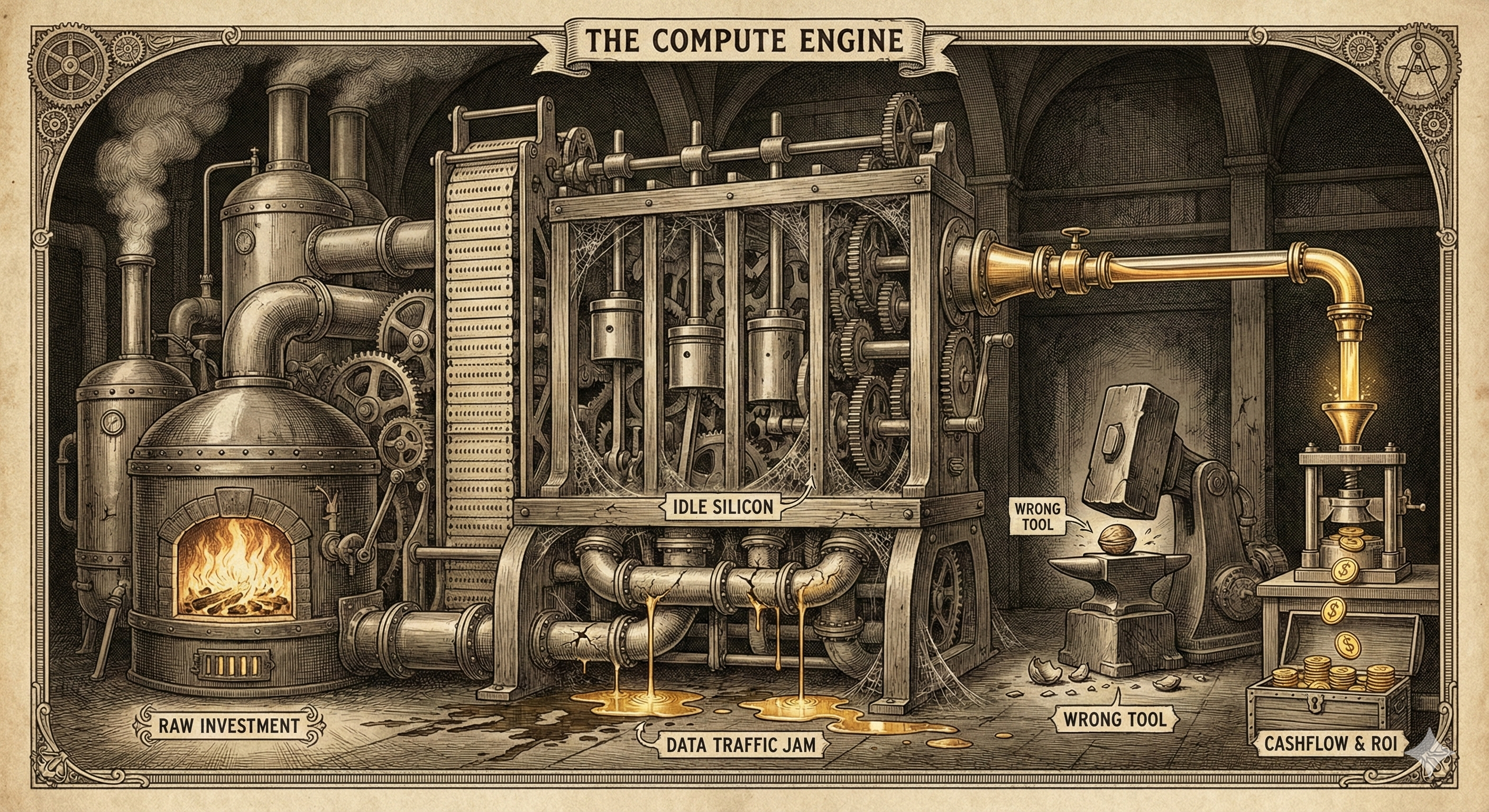
The AI industry is shifting from celebrating large compute budgets to hunting for efficiency. Your competitive advantage is no longer your GPU count, but your cost-per-inference.
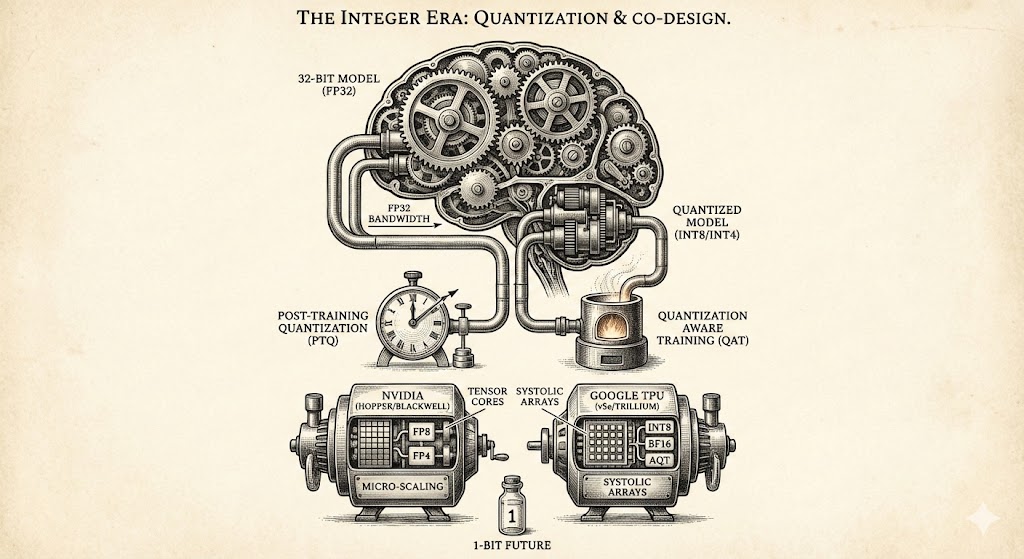
Explore how quantization and hardware co-design overcome memory bottlenecks, comparing NVIDIA and Google architectures while looking toward the 1-bit future of efficient AI model development.
NCCL debugging guide for distributed training: set NCCL_DEBUG, tune NCCL_ALGO for Ring, Tree, CollNet, and fix GPU network failures.