
Prompt Injection Defense for Tool-Using Agents: Layered Controls Beyond Input Filtering
Prompt injection defense for tool-using agents works through capability scoping, output checks and confirmation gates, not input filters alone.
Prompt injection defense for tool-using agents works through capability scoping, output checks and confirmation gates, not input filters alone.

Agent memory layers pay off only for long-lived agents with repeat users. Use this rule on session length and write rate to decide whether to build one.
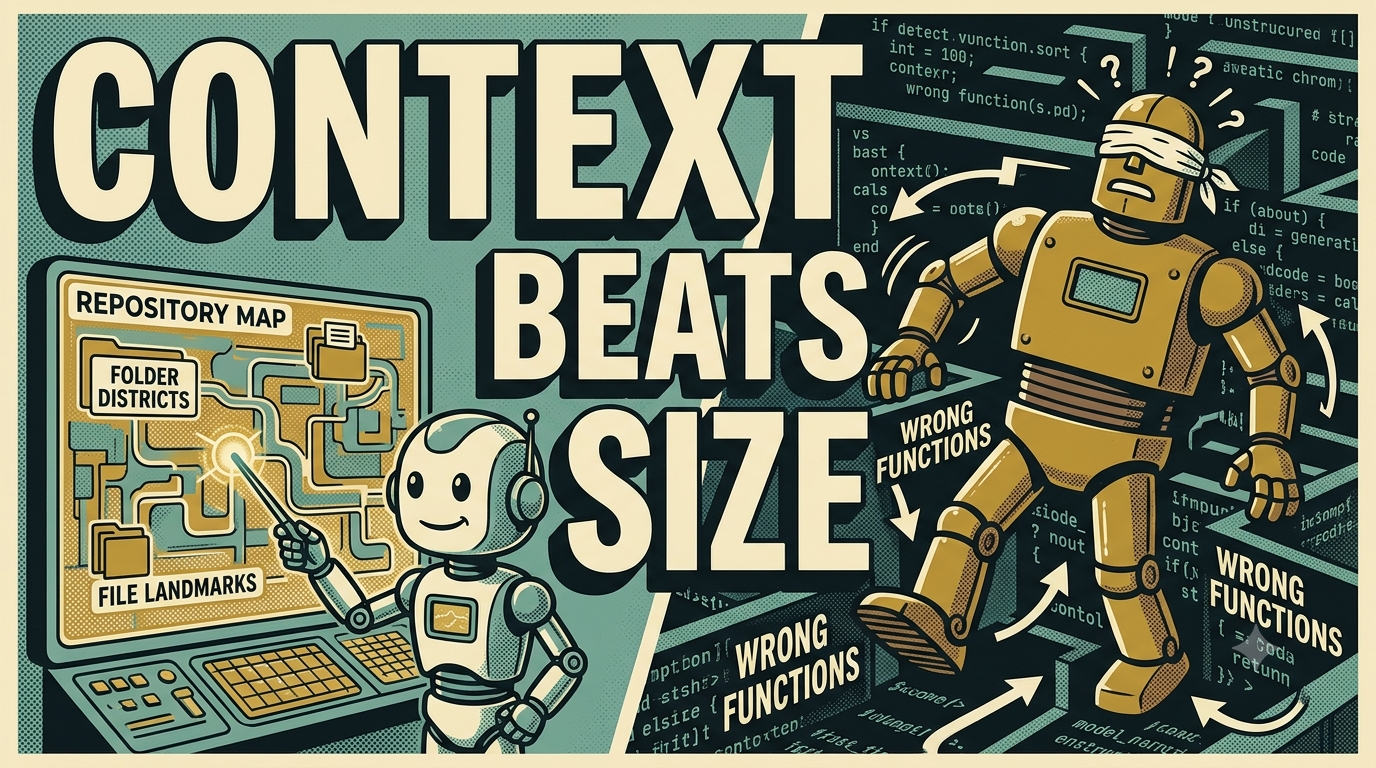
code-review-graph at 20K stars. AI coding agents are moving past generic code search. The next layer is persistent structural indexing through MCP — how agents go from helpful junior to autonomous contributor.

Everyone is writing about agent frameworks and protocol standards. Nobody is talking about the real breakthrough: agents that can actually use a web browser. Eight thousand GitHub stars in weeks suggests something bigger than hype.
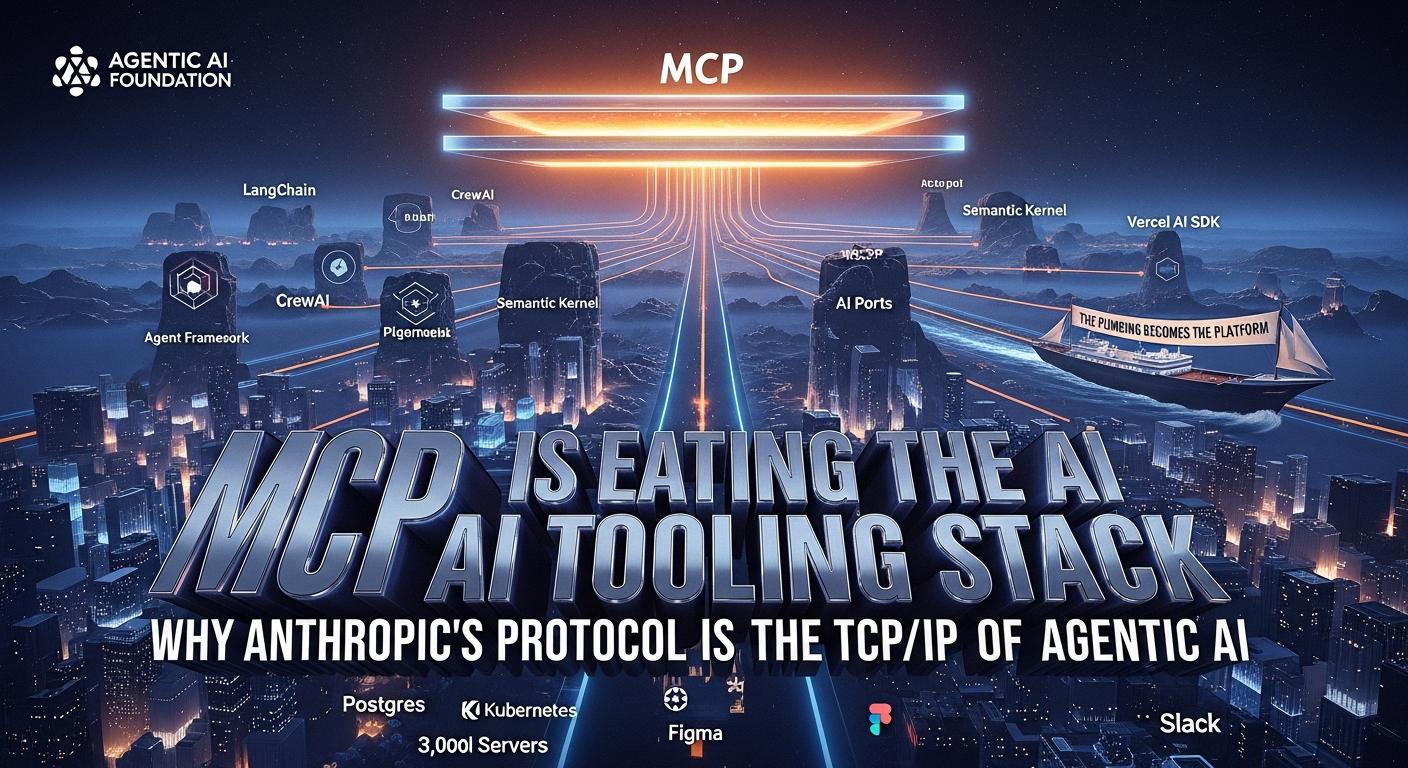
How the Model Context Protocol is becoming the universal interoperability layer for agentic AI, and why its donation to the Agentic AI Foundation marks a Kubernetes-level inflection point for enterprise adoption.
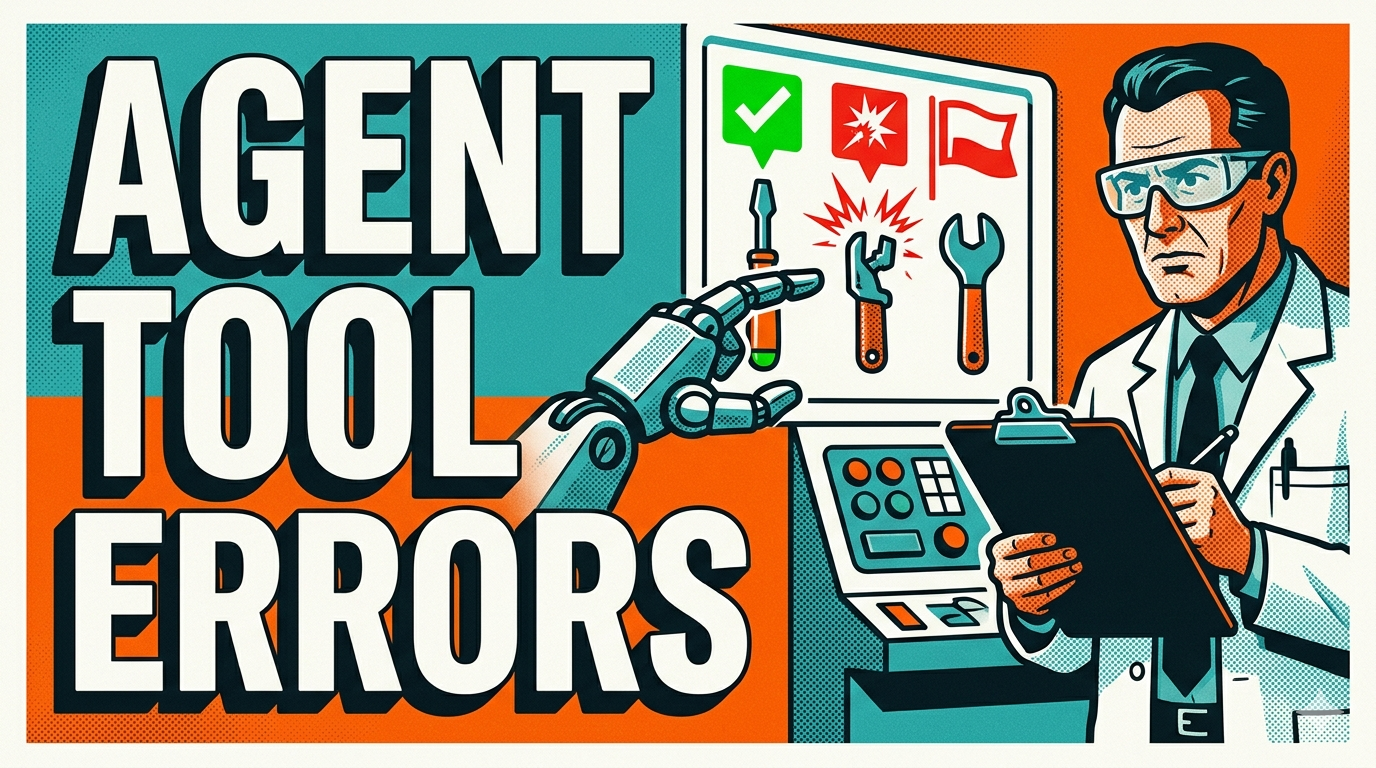
Text hallucinations get all the attention in LLM evaluation. But the more expensive failure mode in production agents is tool use: calling the wrong endpoints, inventing parameters, and executing valid actions that solve the wrong problem. Here is how to measure and reduce agent correctness.