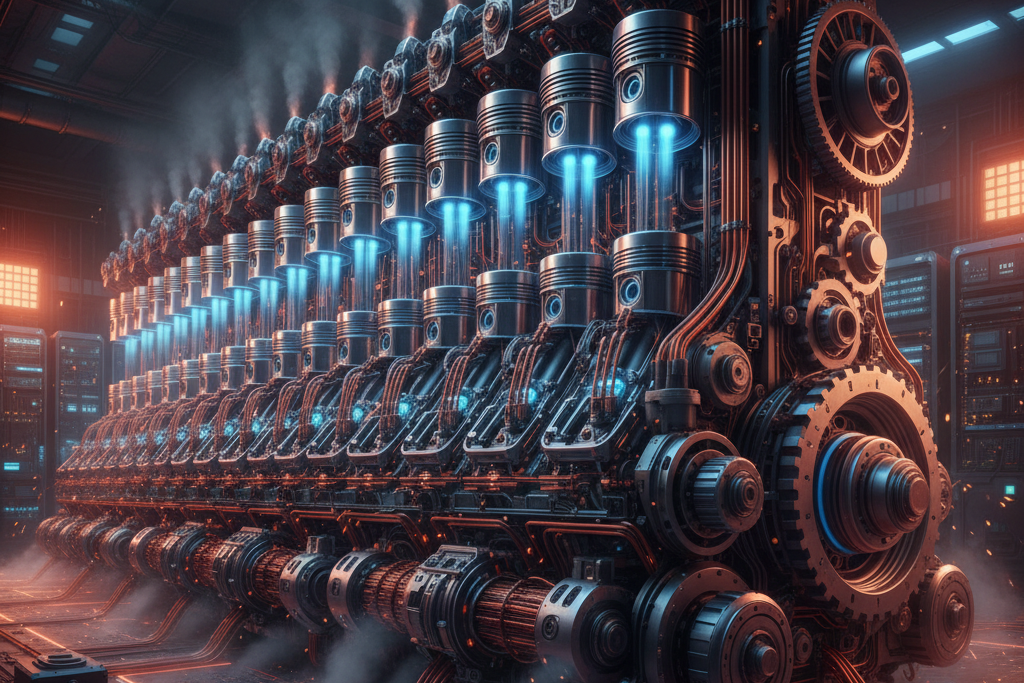
Generality vs. Specialization - The Real Difference Between GPUs and TPUs
It's not just about specs. This post breaks down the core trade-off between the GPU's versatile power and the TPU's hyper-efficient, specialized design for AI workloads.
It's not just about specs. This post breaks down the core trade-off between the GPU's versatile power and the TPU's hyper-efficient, specialized design for AI workloads.

A guide for technology executives on how to move beyond proofs-of-concept and realize sustainable, transformative value from agentic AI by focusing on business-first strategies.
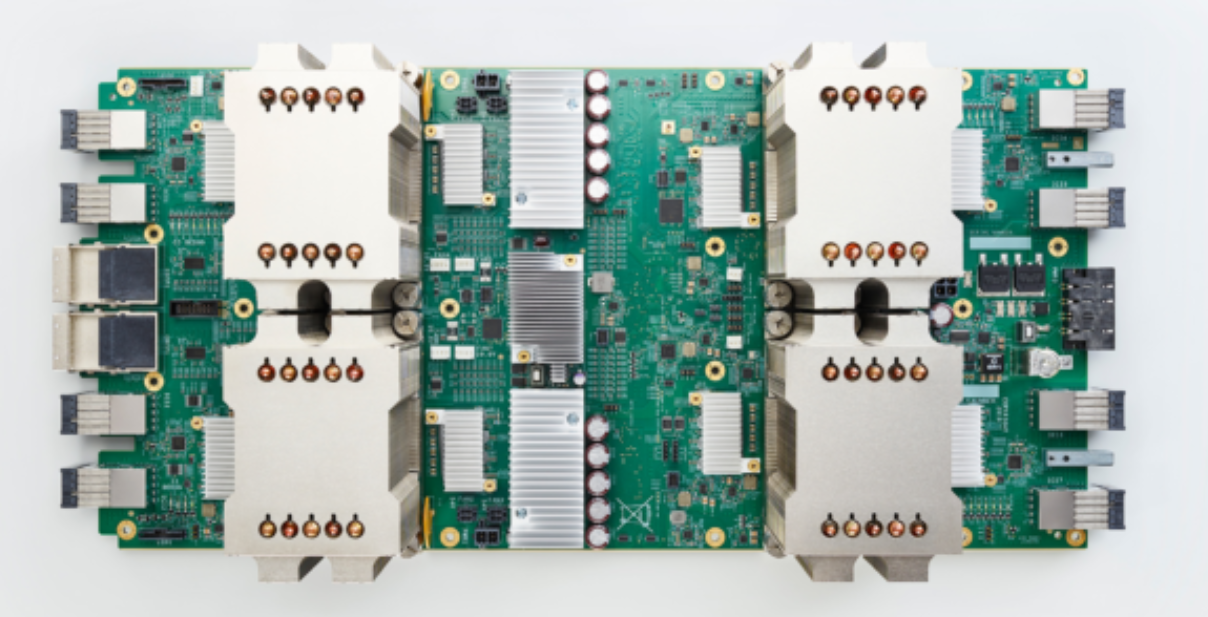
Large-scale recommendation models involve a two-part process. First, a "sparse lookup" phase retrieves data from memory, a task that is challenging for standard GPUs. Second, a "dense computation" phase handles intense calculations, where GPUs perform well. This disparity creates a performance bottleneck. Google's TPUs address this with a specialized SparseCore processor, specifically designed for the lookup phase. By optimizing for both memory-intensive lookups and heavy computations, this integrated architecture provides superior performance for large-scale models.

Technical debt is not new, This weekend I went down the trail to read-up on its impact due to the increased throughput of code generation thanks to AI. Turns out AI code generation is a double-edged sword. Lightning-fast code creation can mask underlying architectural flaws, poor naming, and inadequate testing. Often creating more of the uncoordinated code.The right approach? Thoughtful AI integration that learns from existing code-bases, not blindly generating new code.