The AI Staff Engineer: How Senior Engineering Roles Change When Agents Write the Code
AI staff engineer roles reward specifying, reviewing and owning outcomes over typing code. Here is how to promote and hire for that shift.
Cluster Hub
Business economics, TCO, ROI of AI, CAIO roles, Open Weights valuation, and macro Executive leadership.
AI staff engineer roles reward specifying, reviewing and owning outcomes over typing code. Here is how to promote and hire for that shift.

Model weights supply chain security: verify format, hash and signature for downloaded weights, and pin and retest hosted models.
MCP foundation governance lowers lock-in risk but does not end it. Check release cadence, deprecation policy and who signs off on breaking changes.
Agent audit trails need prompts, tool calls, approvals and identity, without becoming a second copy of sensitive data. Set the policy before the incident.

Cost per resolved task shows which agent steps earn their keep and which are cheaper left to people. A practical way to price agentic workflows by outcome.
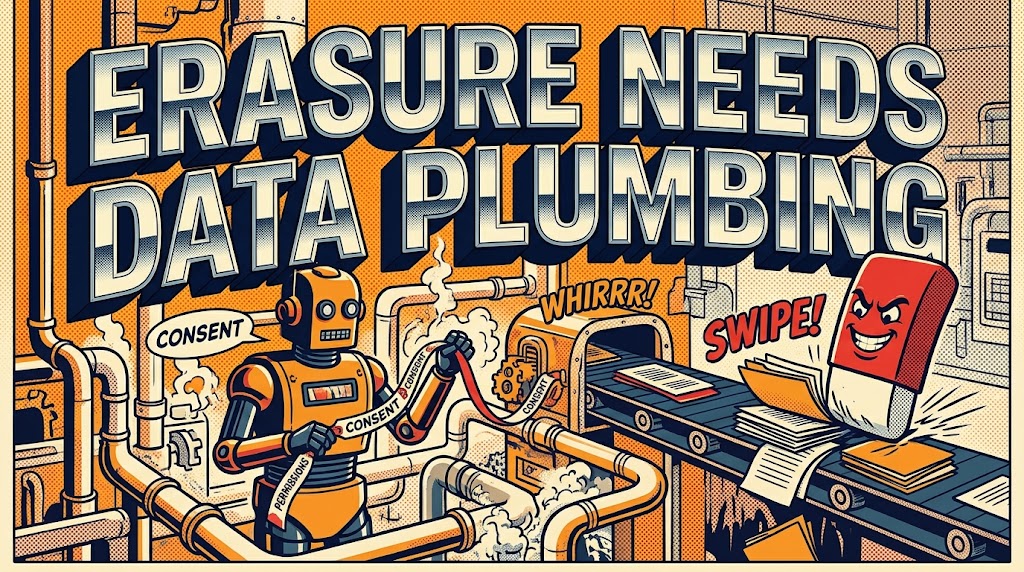
India DPDP Act compliance for LLM and agent pipelines is a plumbing problem: track consent and purpose per data element, or erasure requests fail.
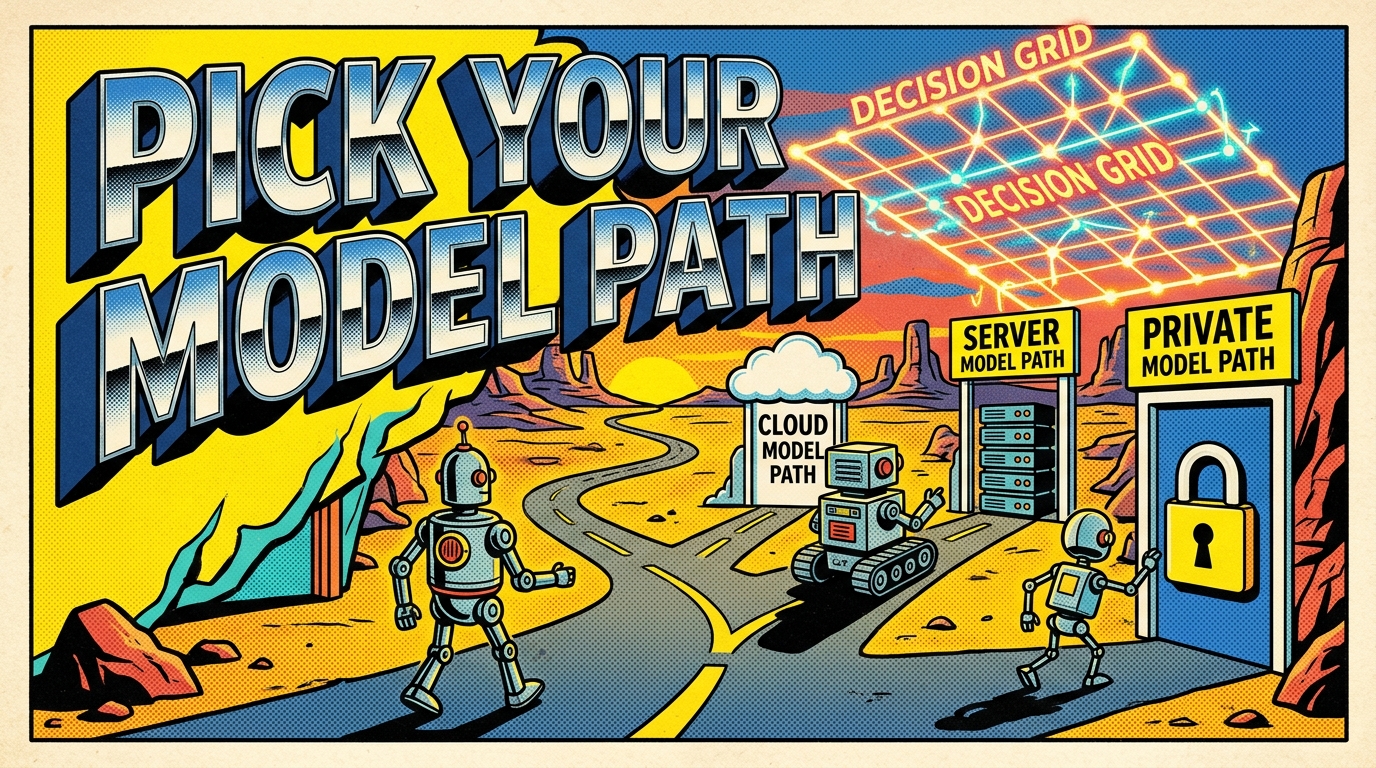
Open weights vs frontier APIs vs self-hosting: a decision matrix built on request volume, data sensitivity, eval maturity and compliance.
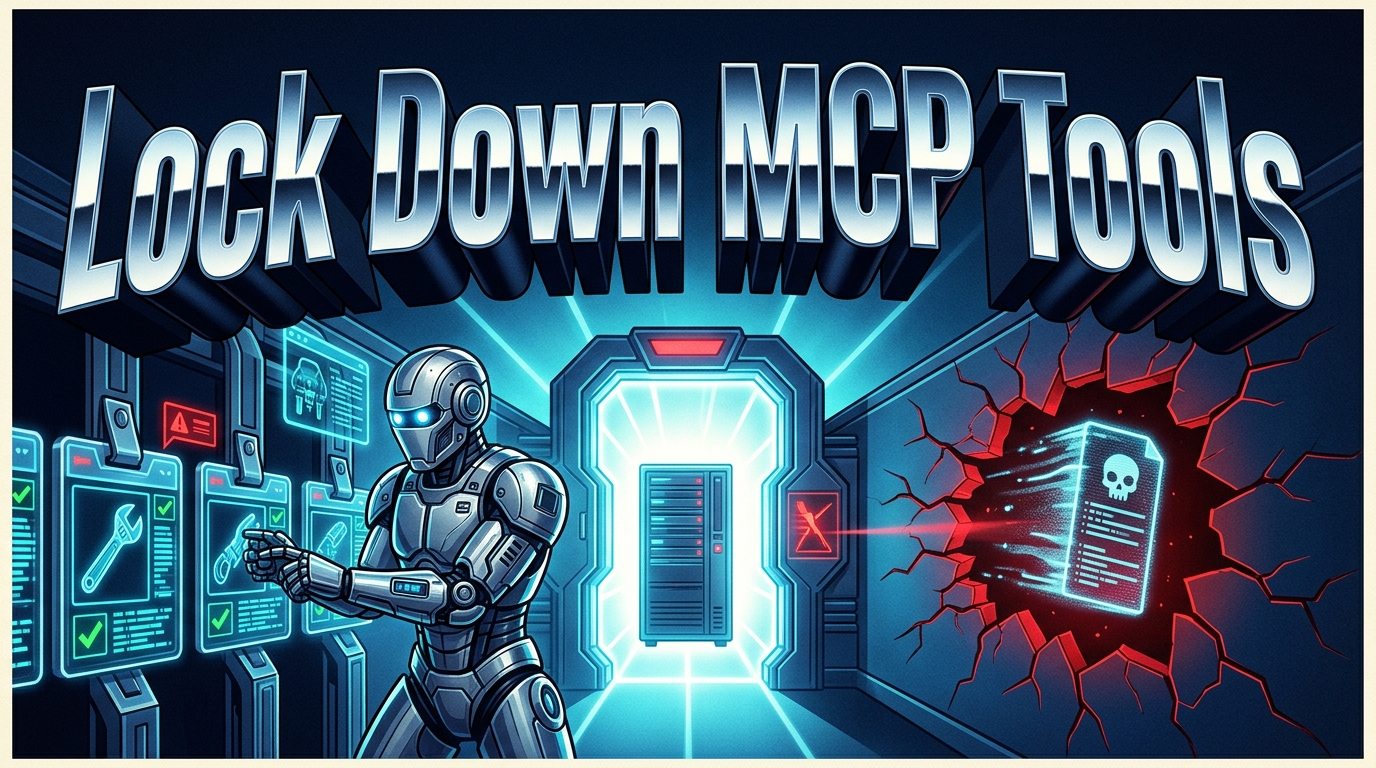
MCP server security starts with one question: who can change a tool definition? Treat descriptions as untrusted input and add per-tool authorization.
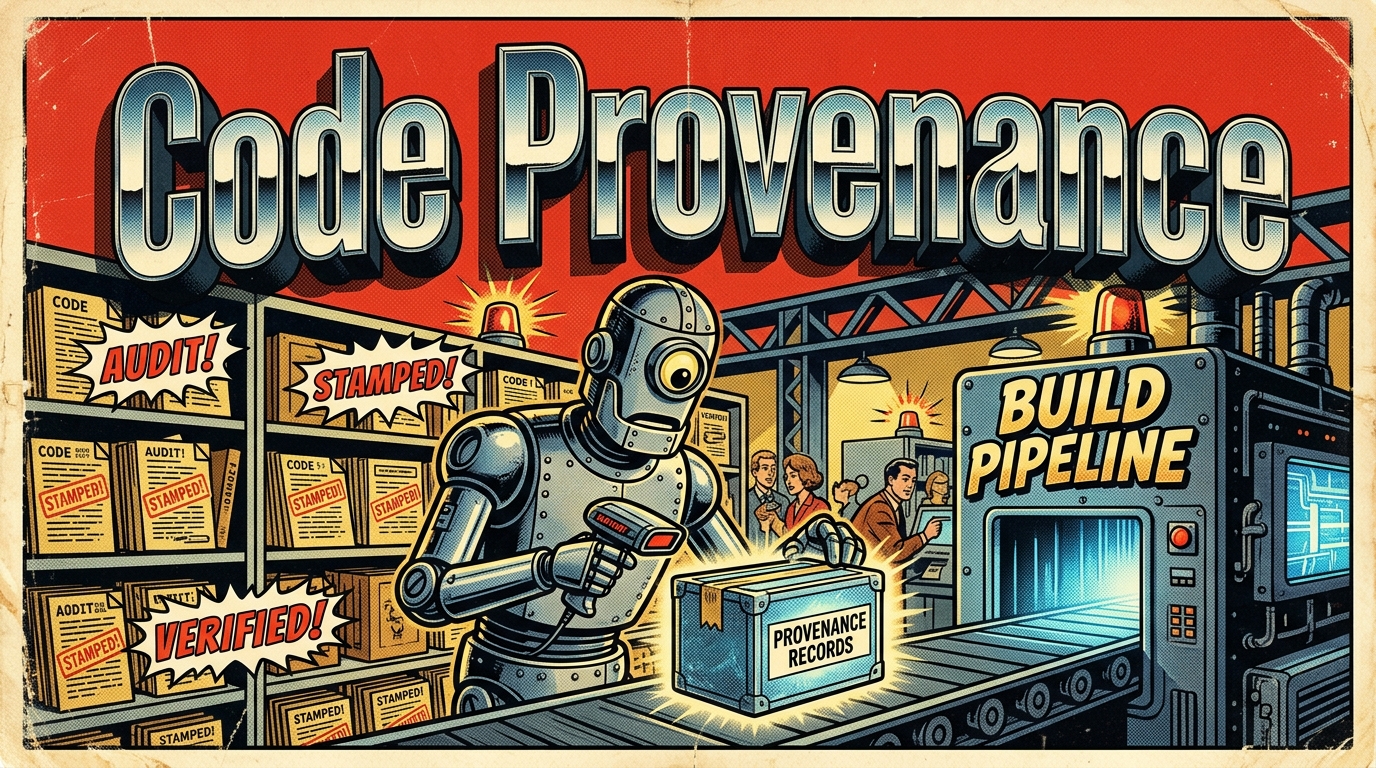
Agentic coding security starts by treating agent-written code as a supply-chain input: track provenance, scope permissions and keep audit trails.
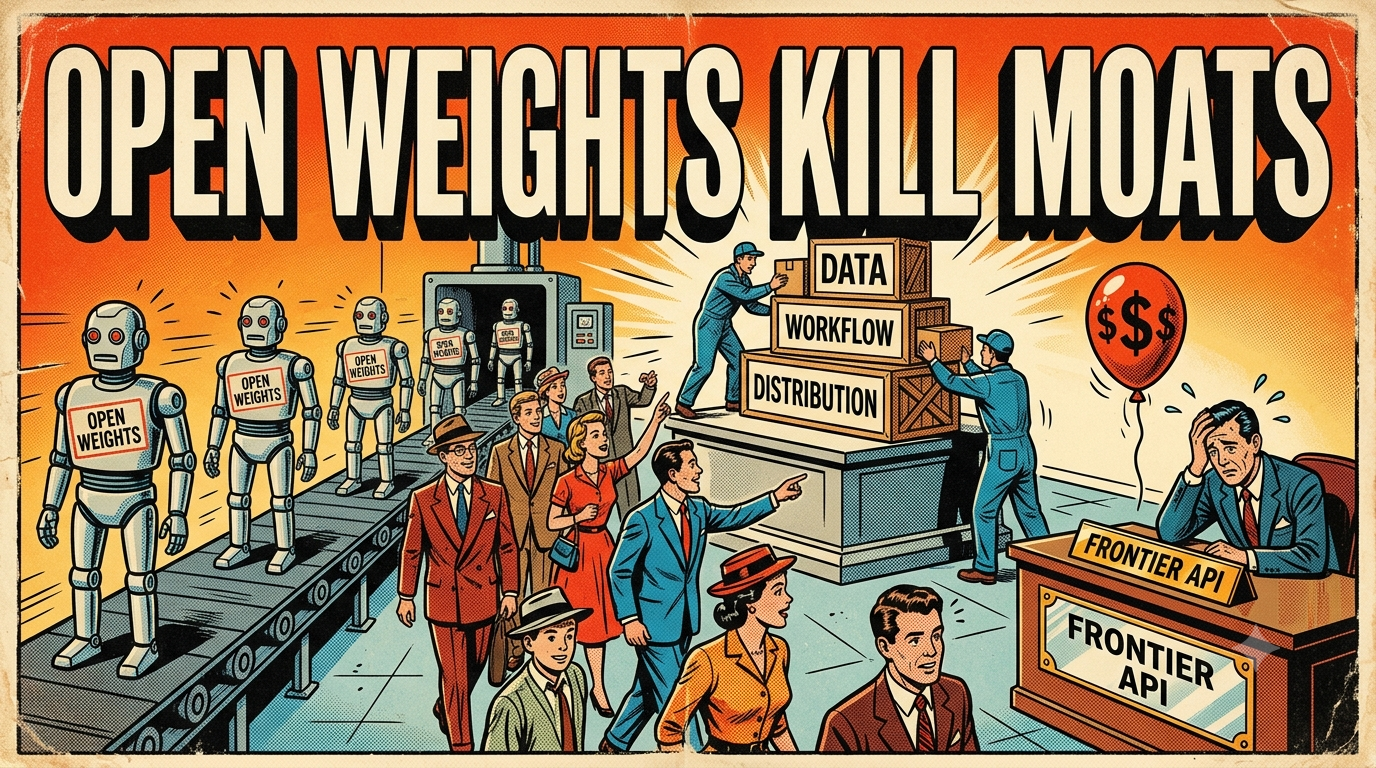
Open weights reshaped the model moat for commodity-tier workloads. The assets that compound are first-party data, workflow ownership, and distribution, not parameter scale. A framework for what to...
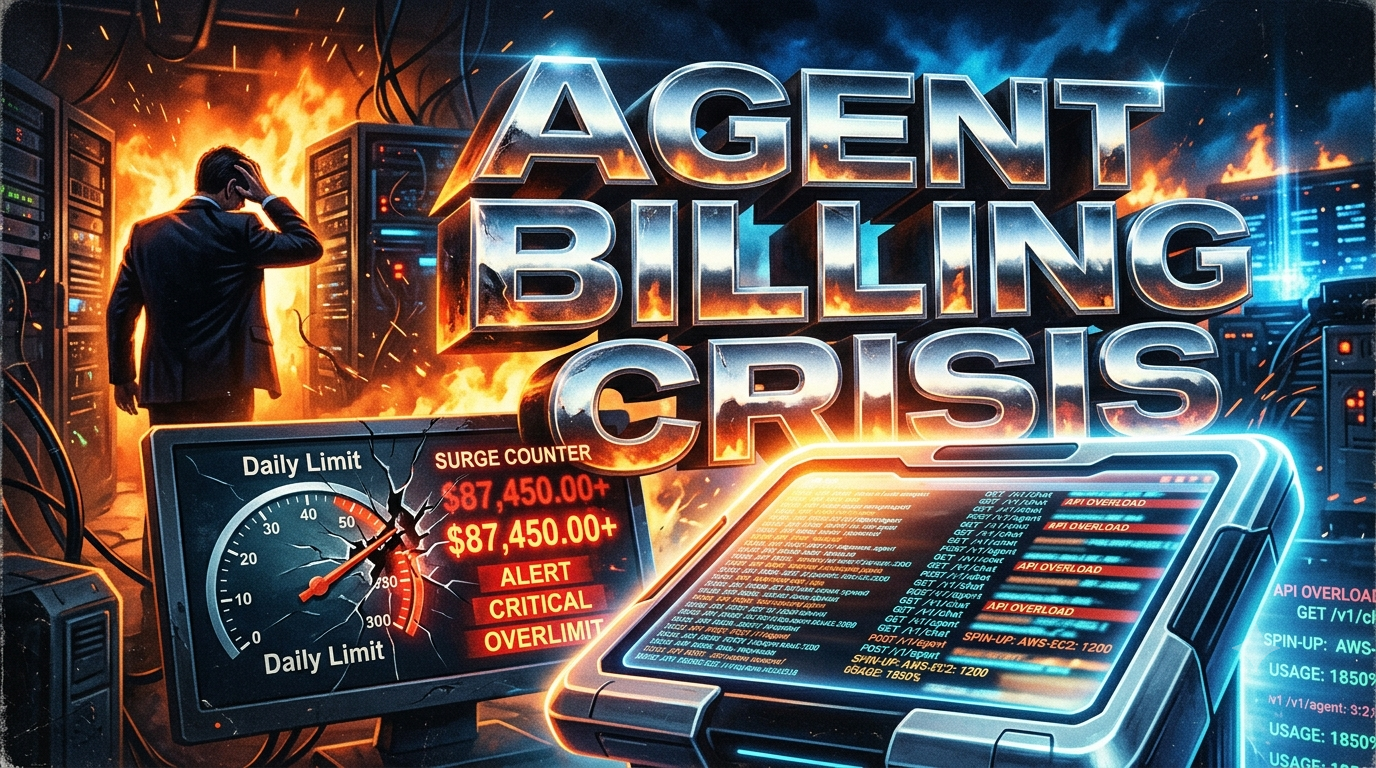
Agents with cloud credentials execute thousands of API calls per minute. Standard billing guardrails built for human interaction break entirely. Here is how to architect cost governance at machine...
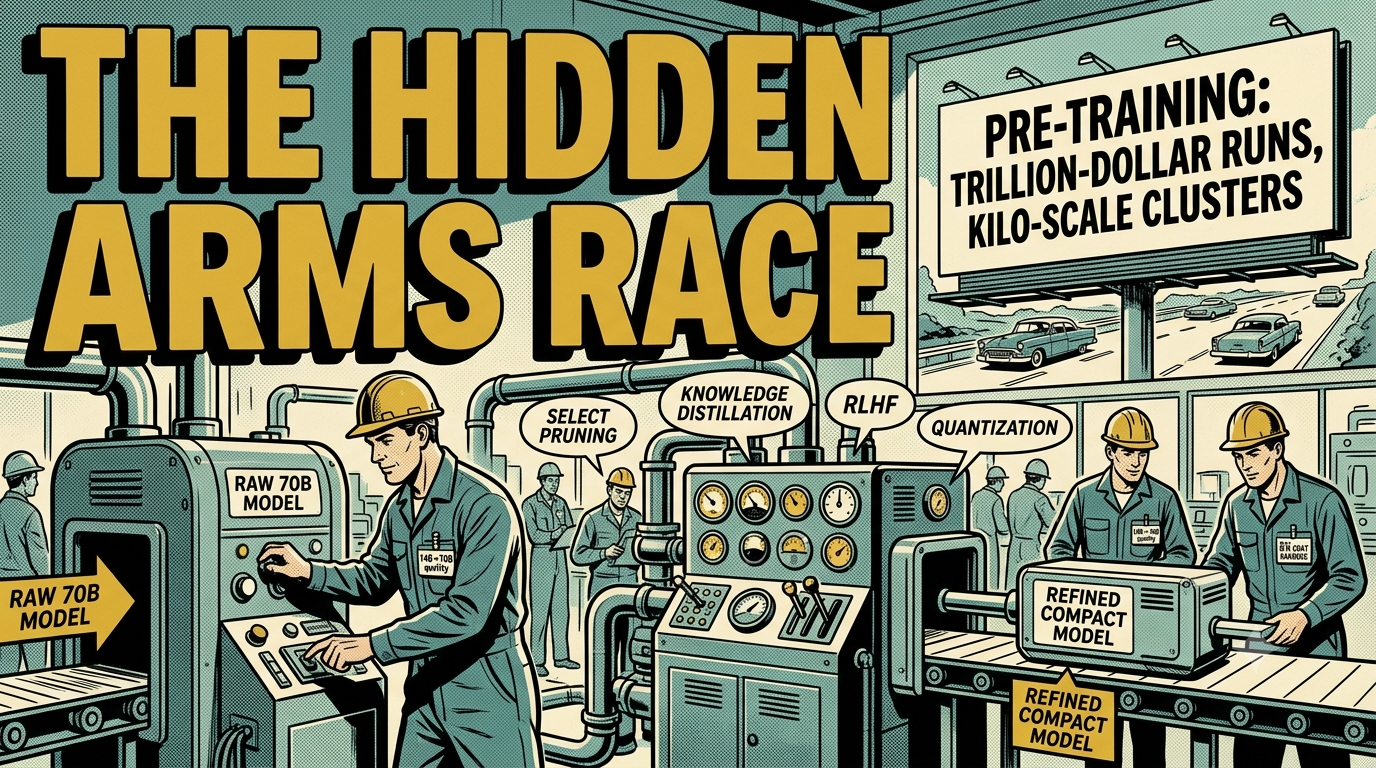
All frontier labs have converged on distillation as their primary post-training method. The real innovation is no longer in pre-training but in post-training pipeline design. Here is why distillation...
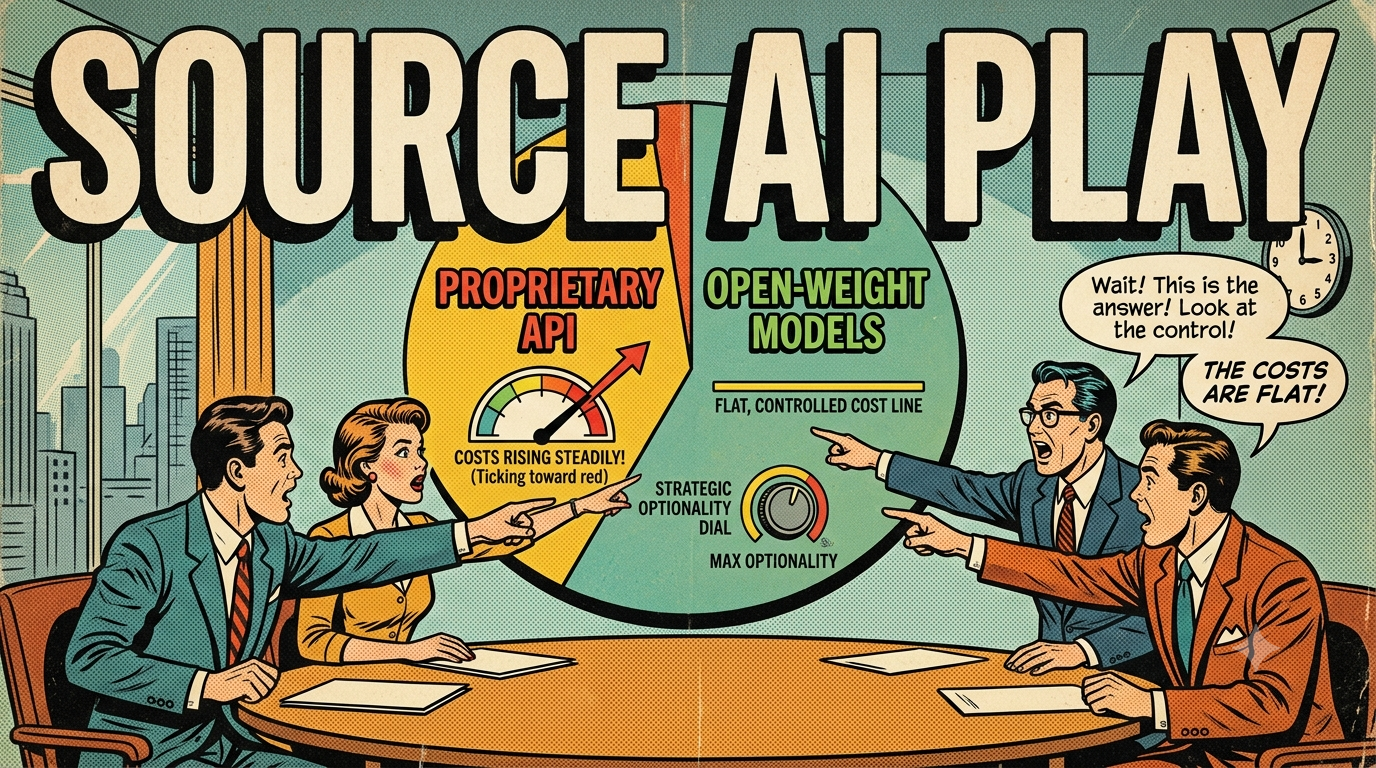
Boards are waking up to what engineering teams have known for eighteen months: for high-volume, low-risk workloads, open-source AI models often beat proprietary APIs on margin. This is not about...
Humans cannot keep pace with AI outputs at scale. Here is why enterprise growth relies heavily on Constitutional AI, rather than just throwing more human reviewers at the problem.
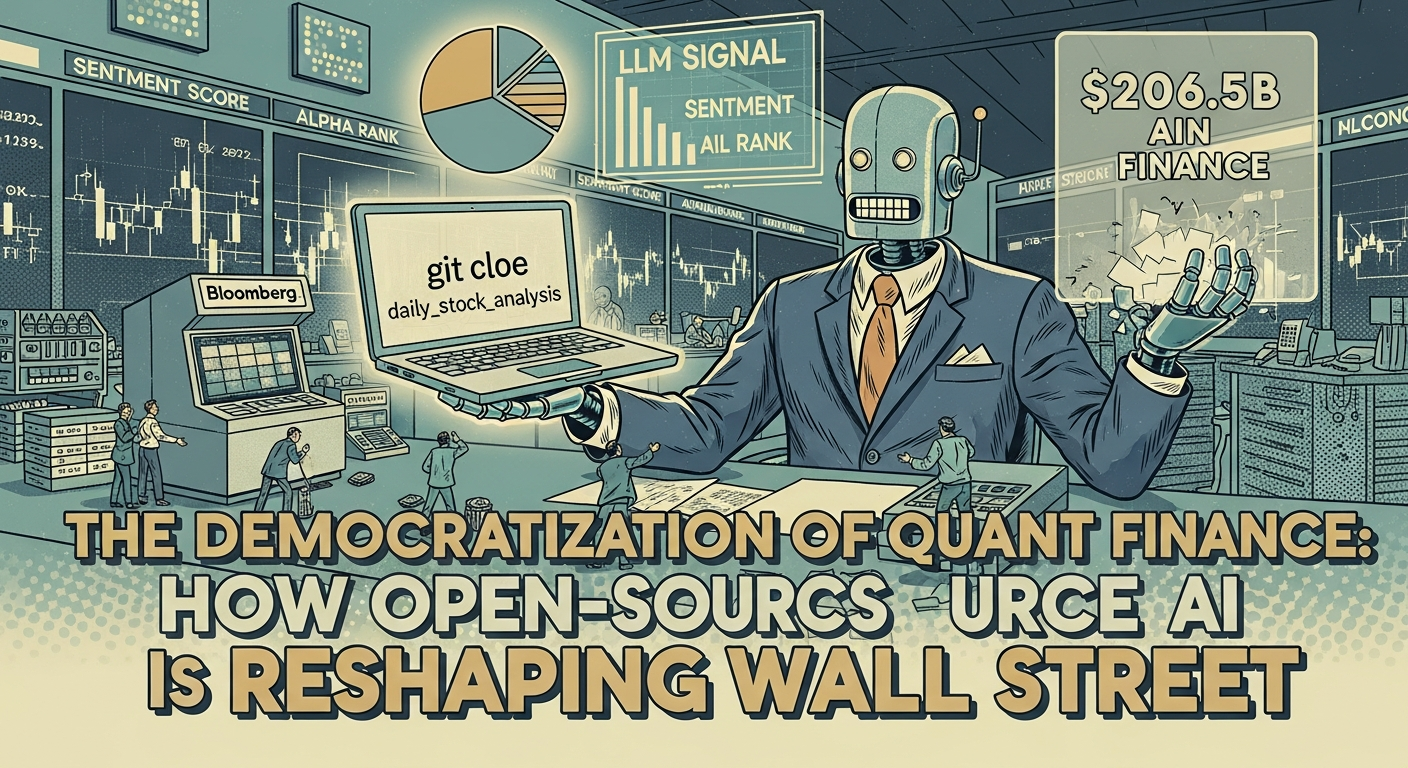
Open-source AI-driven stock analysis tools are putting hedge-fund-grade quantitative analysis in every developer's terminal - and forcing traditional quant firms to rethink their moats.
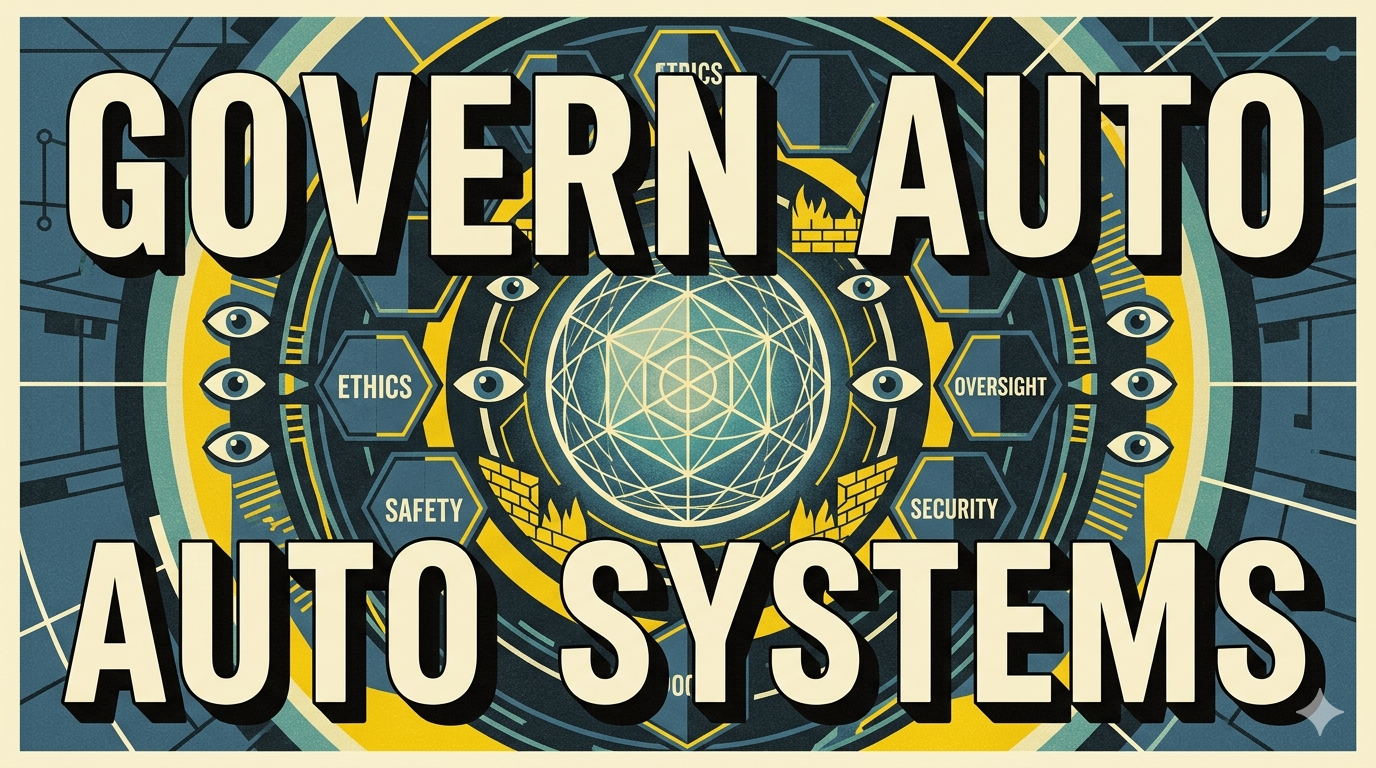
Traditional AI governance was built for human-in-the-loop systems where a person reviewed every decision. Autonomous agents remove the human from the loop entirely. Here is how governance frameworks...
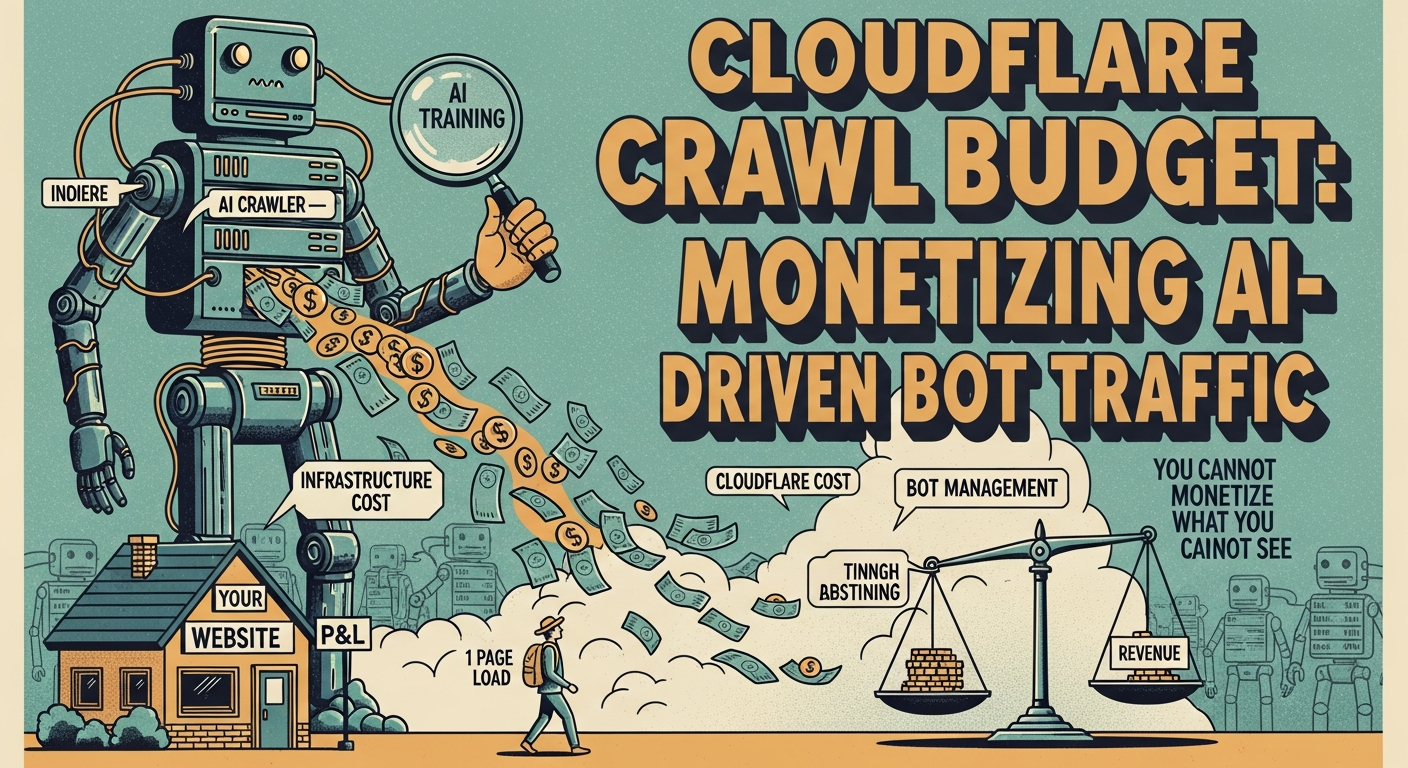
Cloudflare crawl budget monetization: strategic analysis of how AI crawlers consume crawl budgets, the emerging monetization models, and what website operators need to know about AI-driven bot...
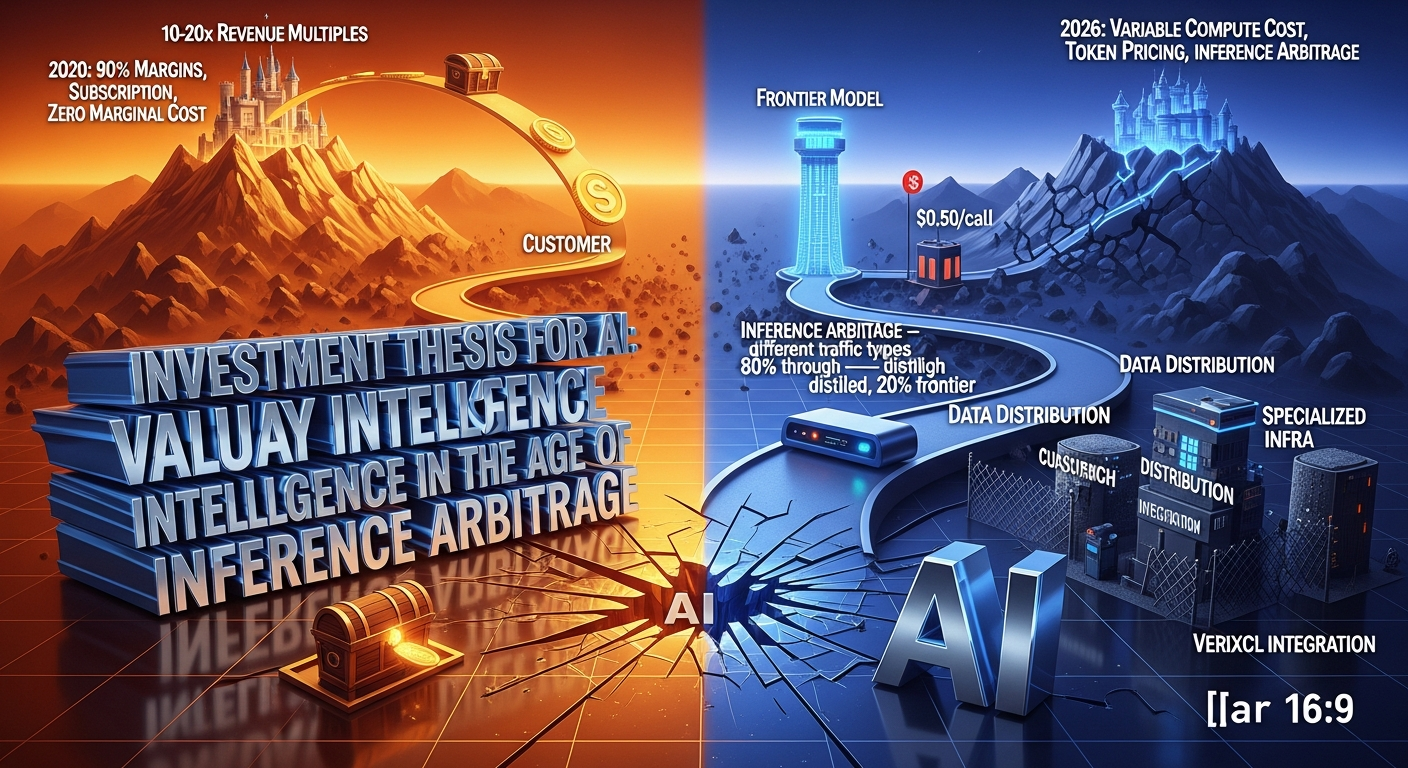
Investment thesis for AI companies in 2026: analyzing how inference arbitrage, infrastructure moats, and open weights reshape valuation models for AI startups and public companies.

Why prompt engineering is a transitional skill and objective formulation is the future of human-computer interaction.
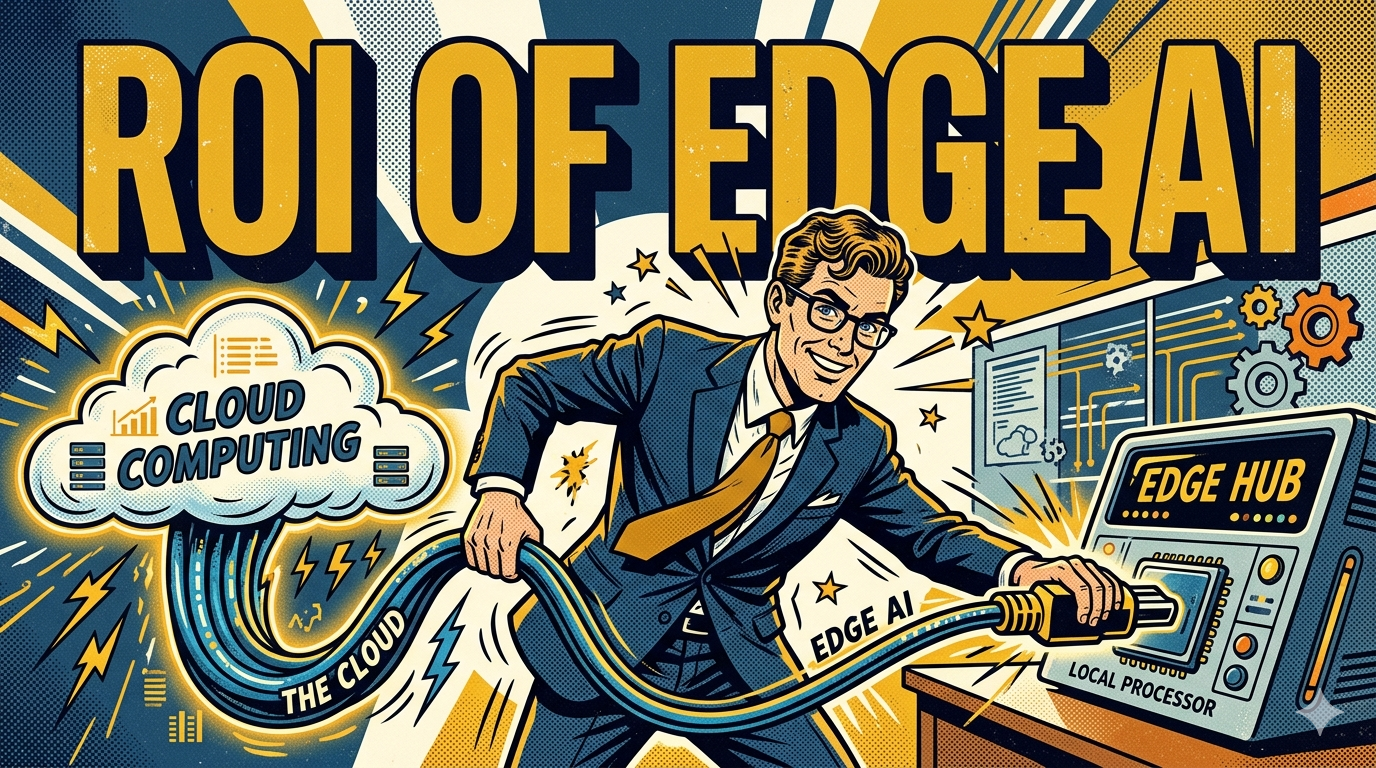
The economic case for deploying local LLMs to eliminate API costs and latency. Why relying entirely on cloud inference is a massive tax on your margins.
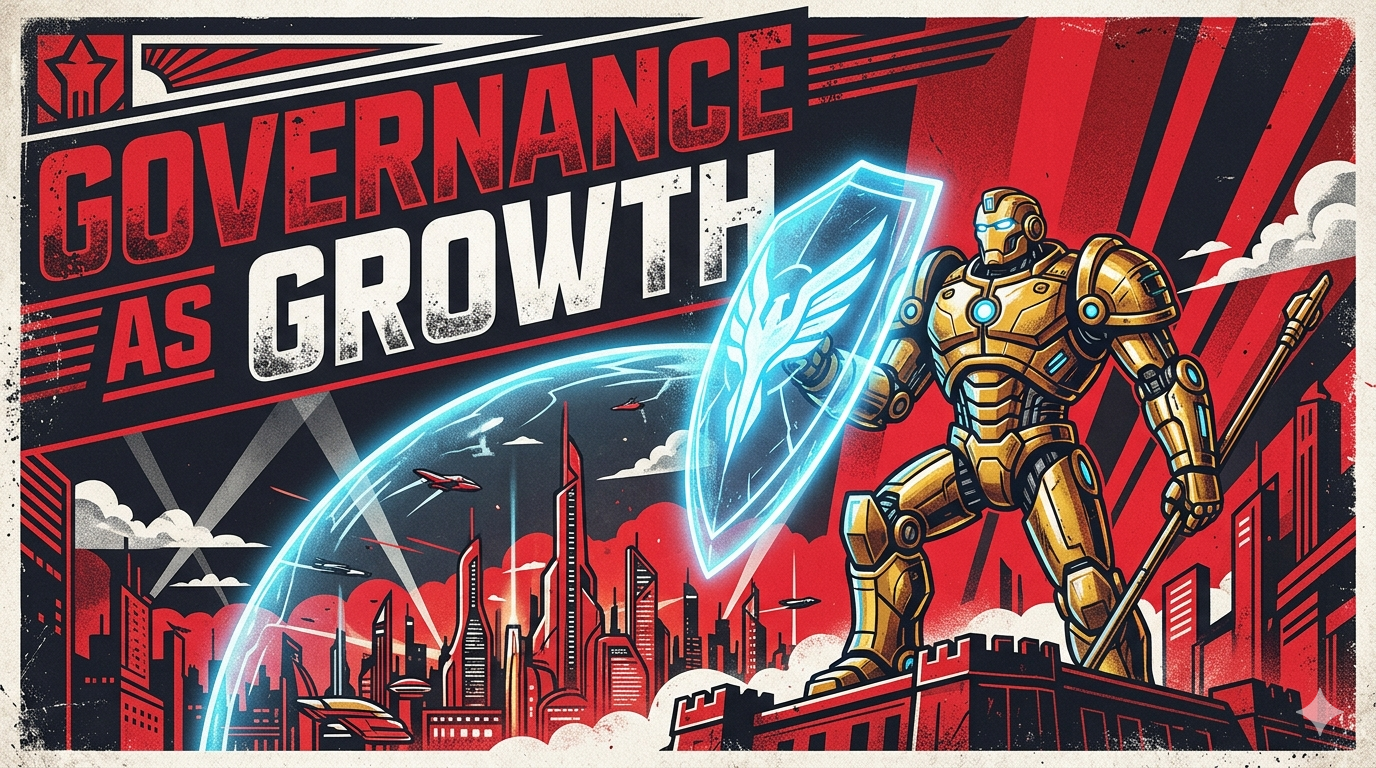
Flipping the script on compliance to accelerate time-to-market by pre-clearing security.

Adding AI to existing processes fails; ROI requires embedding AI into the core workflow.
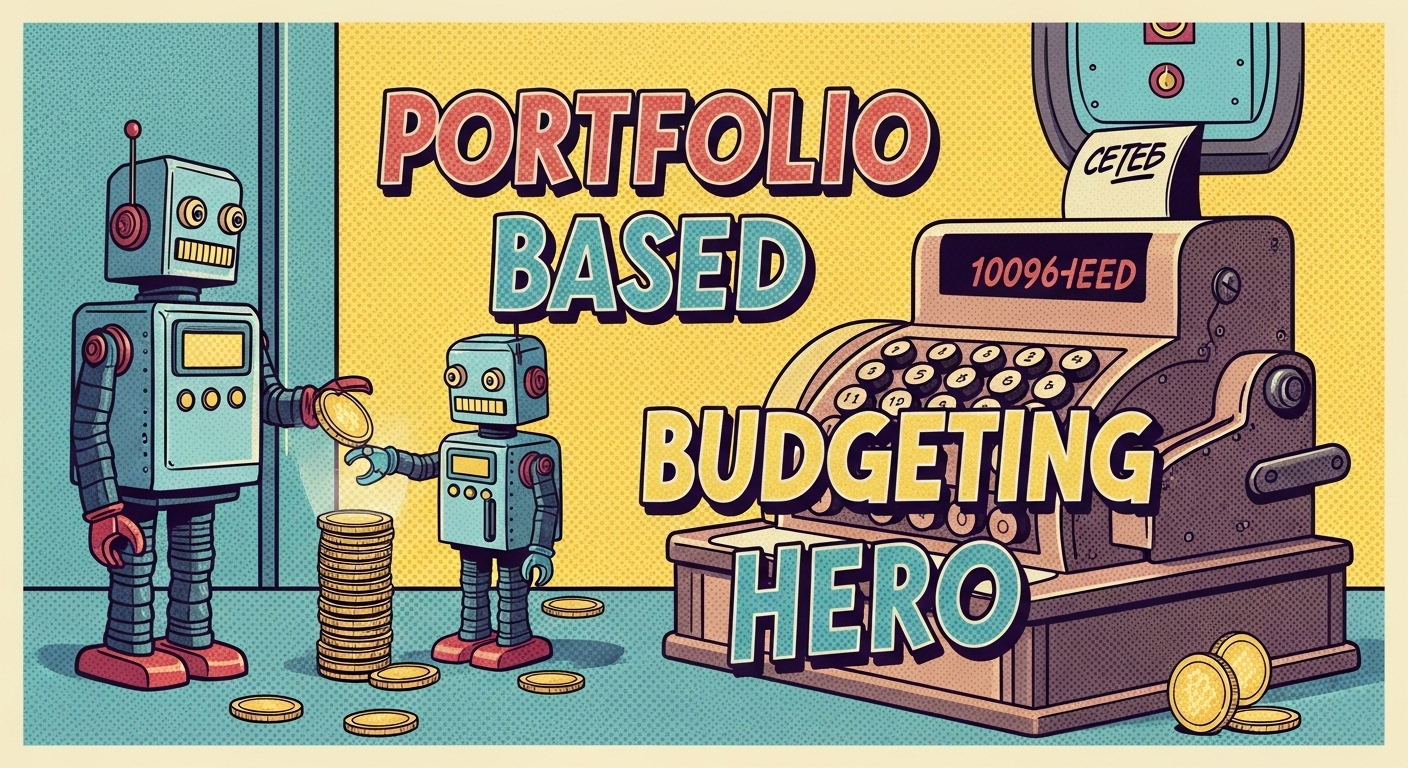
Moving away from siloed project funding based on projected margin impact. Discover how to transition from project-based to portfolio-based AI funding to optimize ROI and survive the pilot phase.
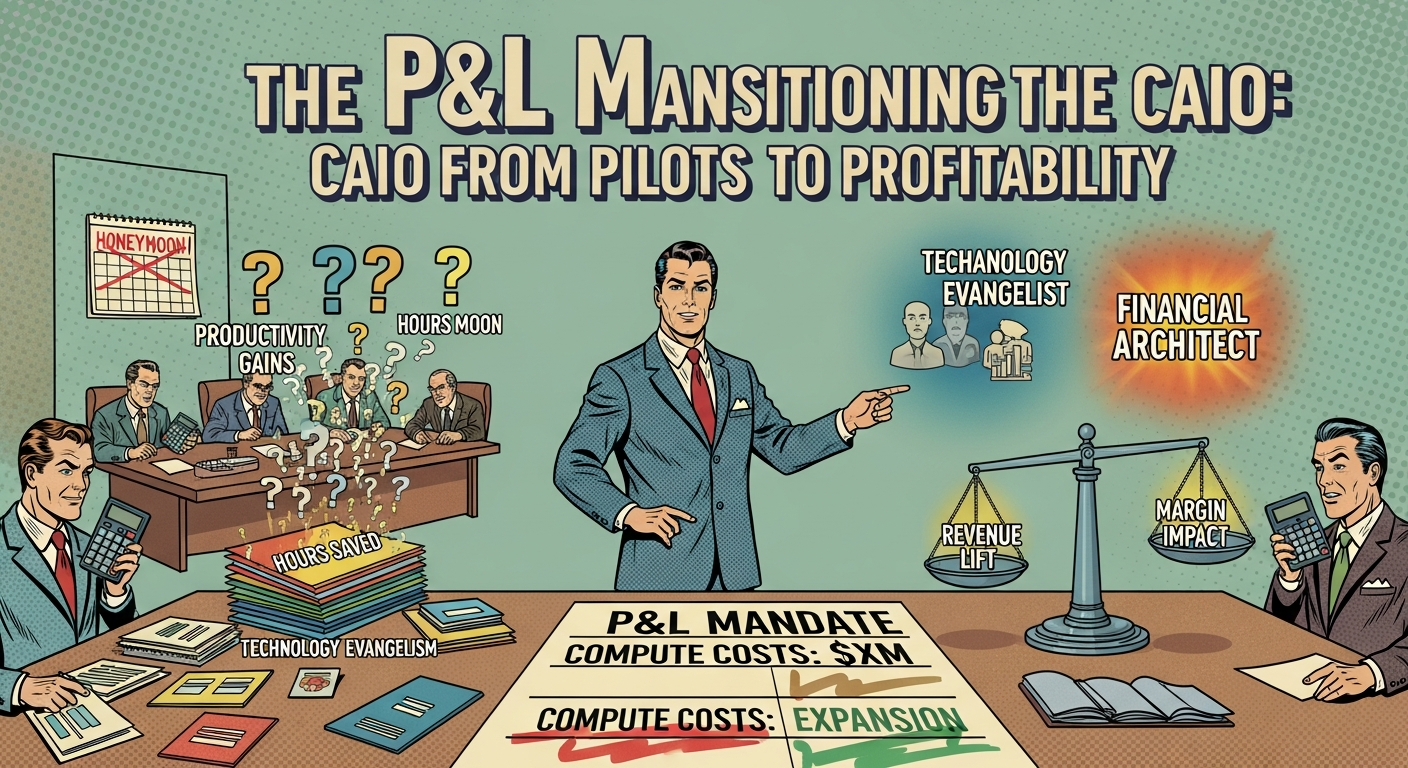
Boards demand hard financial ROI over soft metrics like 'hours saved'. This is the framework to shift your AI strategy toward measurable margin and revenue impact.
Moving from setting up the office to surviving the execution phase without failing ROI checks. A guide for the new Chief AI Officer.
Why standard LLM benchmarks fail for agents, and how to measure real tool usage in production.
Fixed dashboards are the legacy interfaces of 2024. Your users are no longer satisfied looking at pre-canned charts; they expect the interface itself to adapt to the context of their query.
Deep dive into the agency as an r&d saas incubator.
Open source models are transforming AI from a variable SaaS cost into a strategic capital asset. Discover why owning the weights is the key to Sovereign AI and a 70% reduction in long-term TCO.

At $5 per million tokens with Gemini 2.5 Pro, the context window is no longer a scarcity. It is an asset class. It is time to rethink the true cost of RAG pipelines.
Why selling outcomes vs. selling seats changes your margin profile entirely.
You are not Google. Your moat is your data, not your ability to pre-train Llama-4. We dissect the math of architecture parity and the rise of Outcome-as-a-Service.
If your training loop isn't fault-tolerant, you're paying a 40% 'insurance tax' to your cloud provider. We look at the architectural cost of 30-second preemption notices.

Inference price isn't a fixed cost-it's an engineering variable. We break down the three distinct levers of efficiency: Model Compression, Runtime Optimization, and Deployment Strategy.
Most enterprise AI fails not because of the model, but because of the 'Last Mile' integration costs. We breakdown the hidden latency budget of RAG.
In the Llama 3 training run, Meta experienced 419 failures in 54 days. This post breaks down the unit economics of 'Badput' - the compute time lost to crashes - and why reliability is the only...

Struggling with customers who treat their business context like state secrets? You are not alone. In the world of high-stakes tech sales, "it's confidential" is often code for deeper fears about...
Some ideas on what to watchout for enterprise when starting new projects using emerging technology. This post talks about aspects of scoping, ownership and technology changes. Most of it is obvious...
Understanding the ability of an organisation to adapt to cross functional level changes