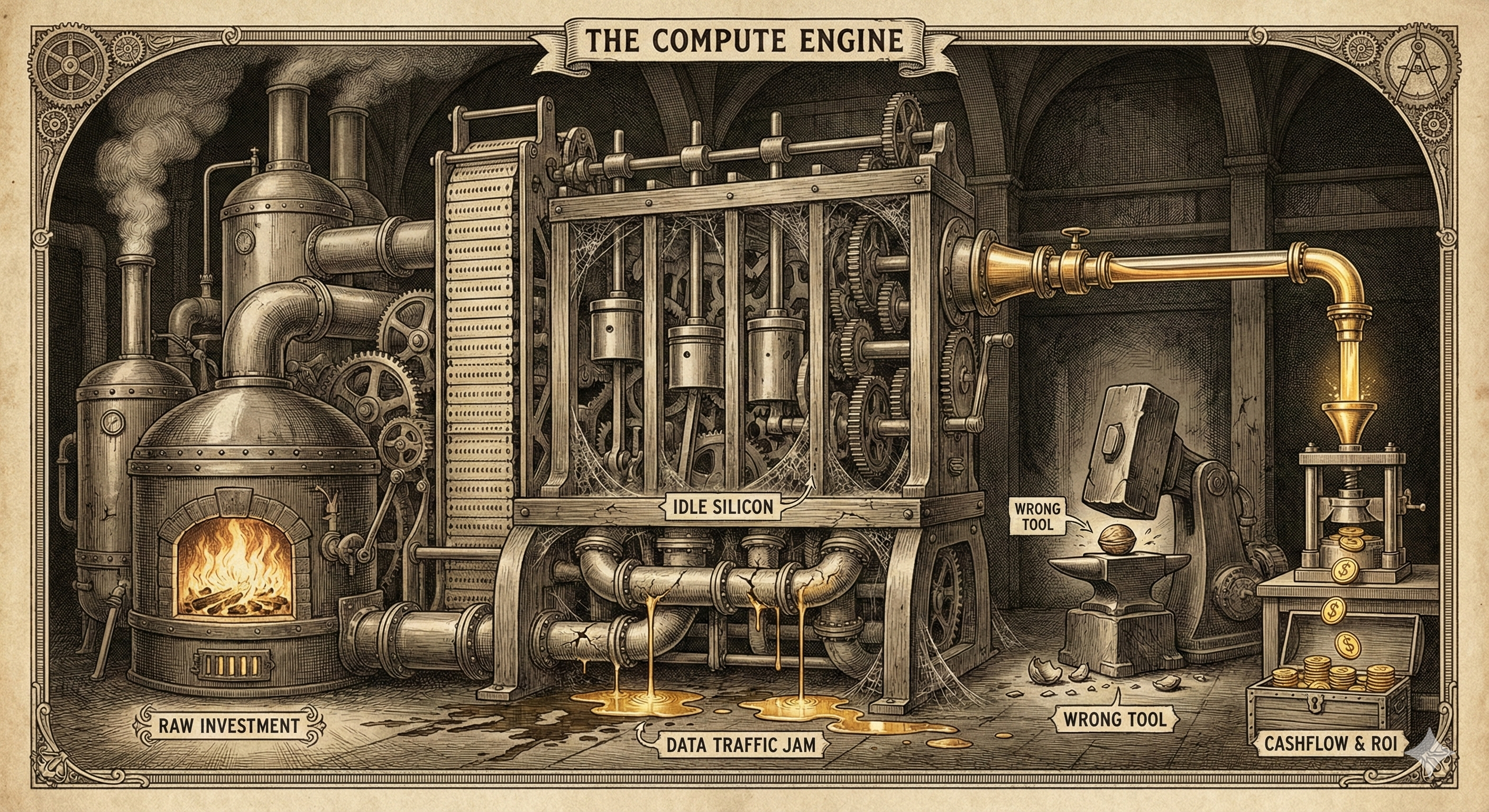
The Compute-to-Cashflow Gap
The AI industry is shifting from celebrating large compute budgets to hunting for efficiency. Your competitive advantage is no longer your GPU count, but your cost-per-inference.
The AI industry is shifting from celebrating large compute budgets to hunting for efficiency. Your competitive advantage is no longer your GPU count, but your cost-per-inference.
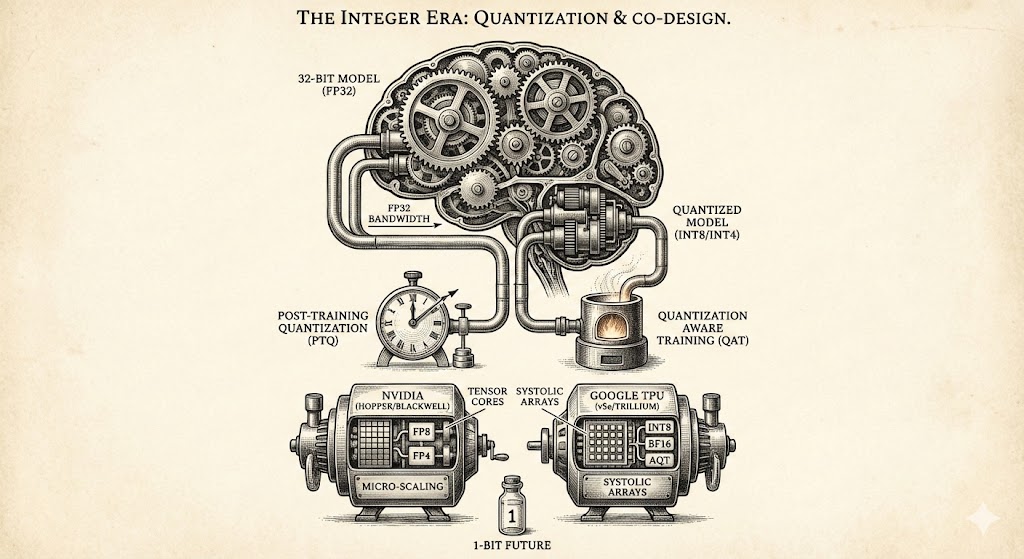
Explore how quantization and hardware co-design overcome memory bottlenecks, comparing NVIDIA and Google architectures while looking toward the 1-bit future of efficient AI model development.
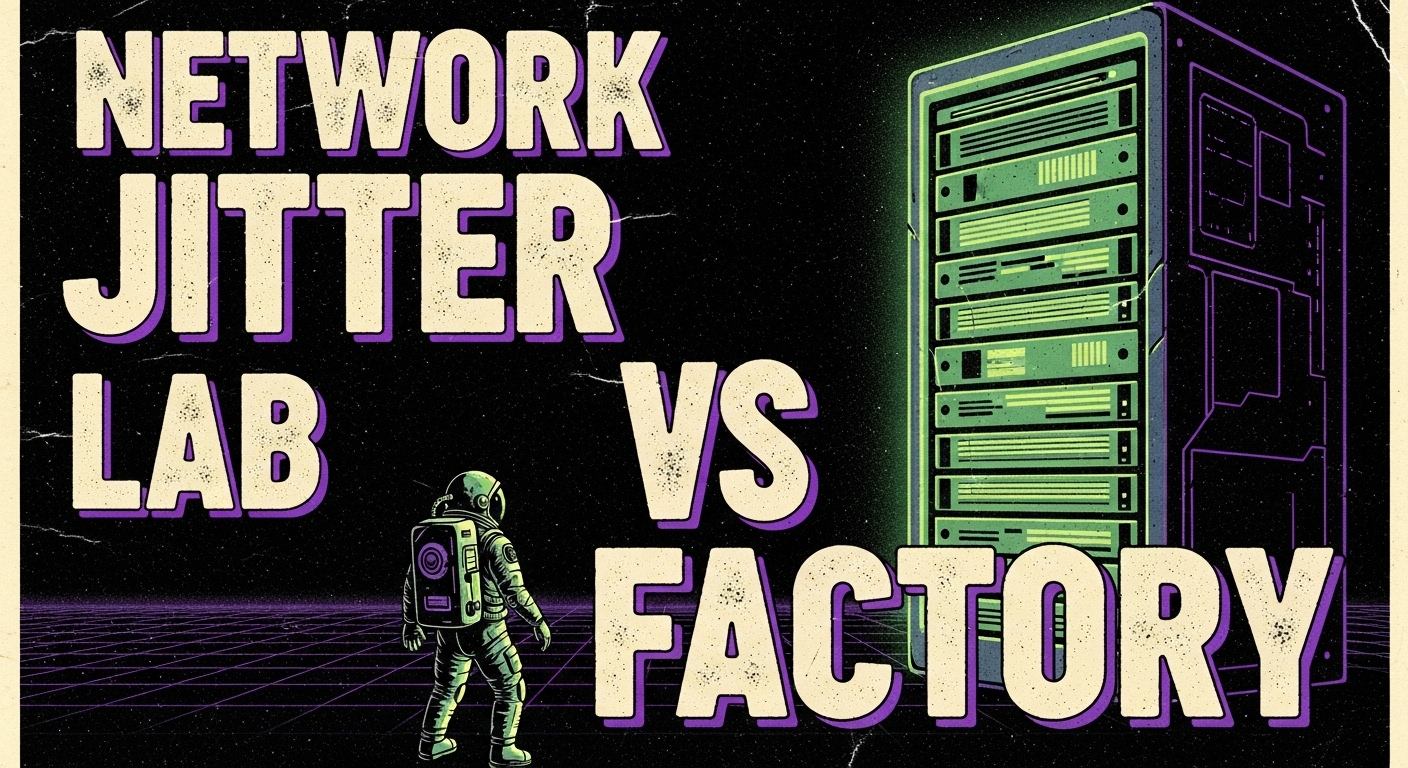
In distributed training, the slowest packet determines the speed of the cluster. We benchmark GCP's 'Circuit Switched' Jupiter fabric against AWS's 'Multipath' SRD protocol.

As the AI industry moves from model training to large-scale deployment, the strategic bottleneck has shifted from parameter count to inference orchestration. This post explores how advanced techniques like RadixAttention, Chunked Prefills, and Deep Expert Parallelism are redefining the ROI of GPU clusters and creating a new standard for high-performance AI infrastructure.

JAX vs custom C++ AI training stack: why compiler-first JAX cuts data movement and improves throughput 2.7x for model training.
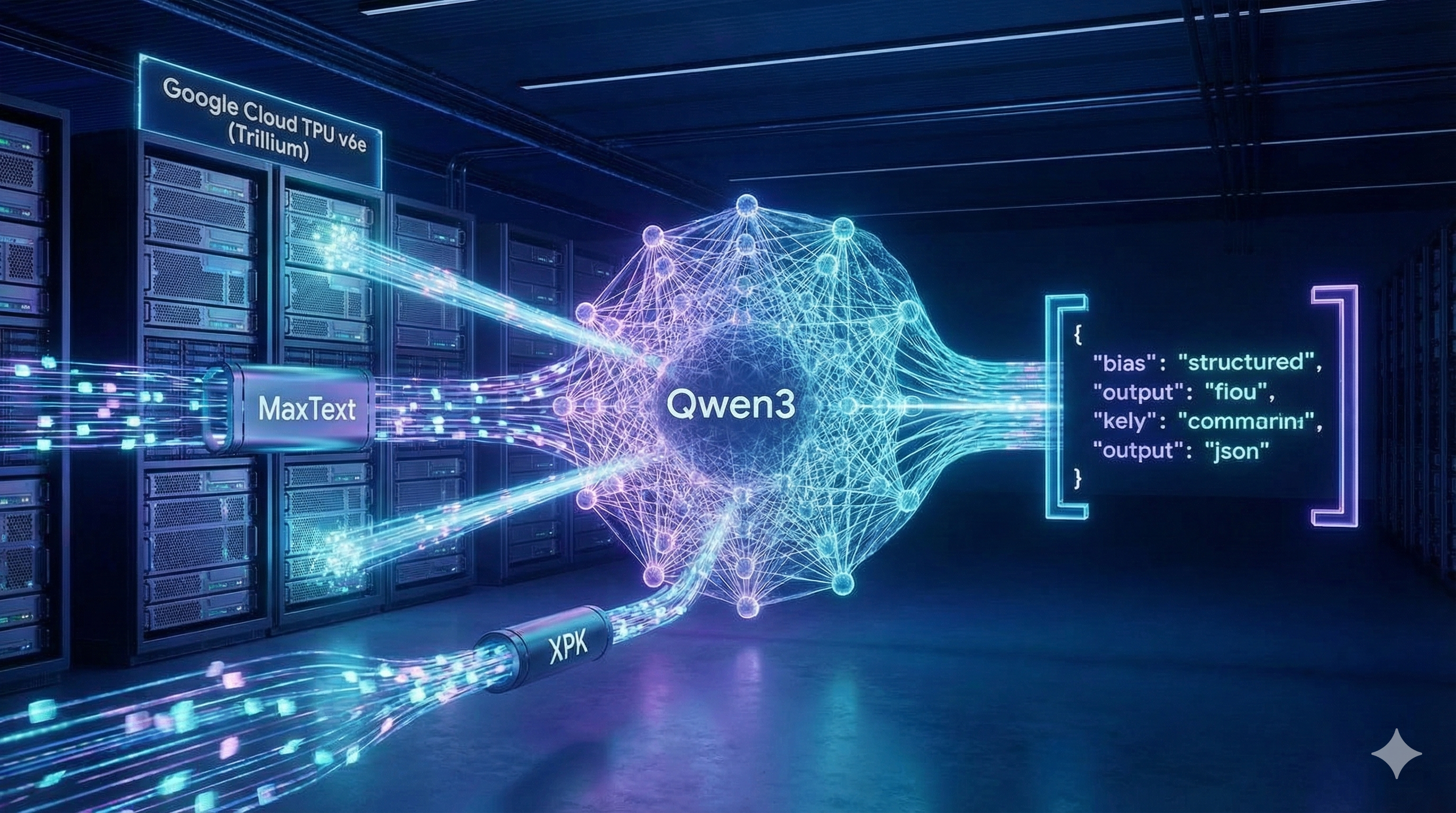
An end-to-end guide to orchestrating Custom Qwen3 pre-training on Google Cloud's Trillium TPUs. I dive into modifying the Qwen3 architecture for structured JSON outputs, leveraging XPK for orchestration, and serving the final artifacts with vLLM's high-performance openXLA backend.