
Performance over Portability? Running Local LLMs on the Asus ProArt 13
Can a thin-and-light PC handle production-level LLMs? We benchmark the Asus ProArt 13 with RTX 4060, the Ryzen AI 9 NPU, and the 8GB VRAM bottleneck.
Can a thin-and-light PC handle production-level LLMs? We benchmark the Asus ProArt 13 with RTX 4060, the Ryzen AI 9 NPU, and the 8GB VRAM bottleneck.

Autonomous agents are prone to infinite reasoning loops and 'democratic' indecision. We explore the Supervisor pattern in LangGraph, MCP, and why orchestration beats choreography.
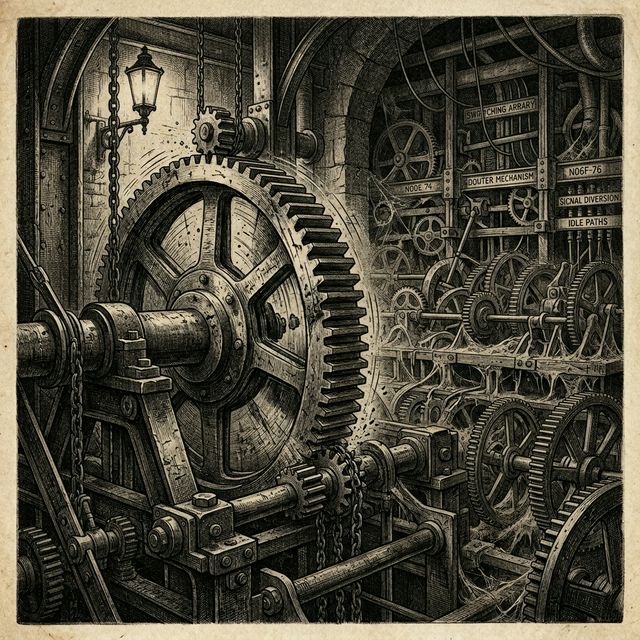
A model is only as smart as its router. We explore the physics of expert zones, the tax of token dropping, and how to keep your load balancer honest.

You are not Google. Your moat is your data, not your ability to pre-train Llama-4. We dissect the math of architecture parity and the rise of Outcome-as-a-Service.
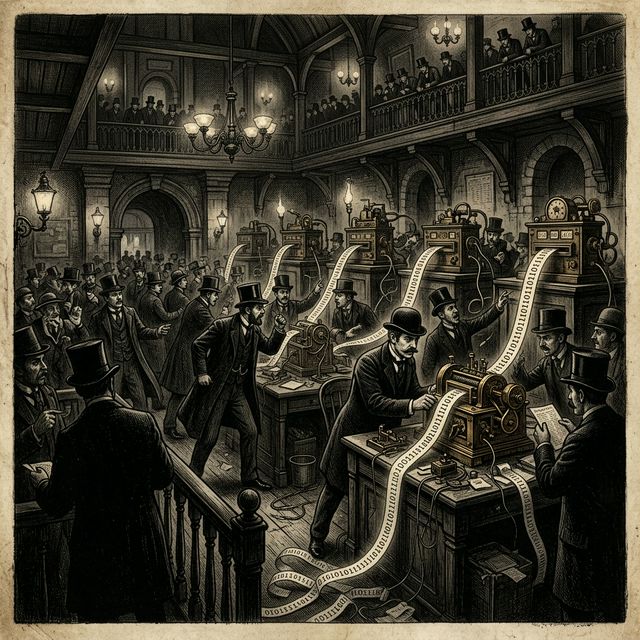
If your training loop isn't fault-tolerant, you're paying a 40% 'insurance tax' to your cloud provider. We look at the architectural cost of 30-second preemption notices.
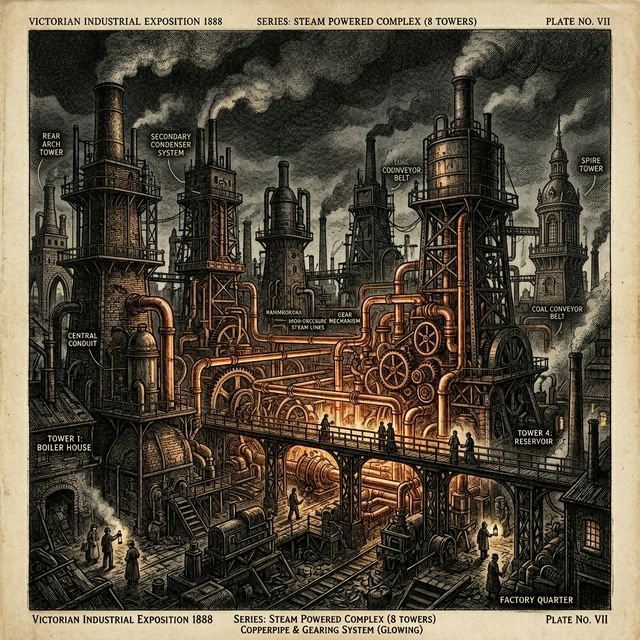
When your model doesn't fit on one GPU, you're no longer just learning coding-you're learning physics. We dive deep into the primitives of NCCL, distributed collectives, and why the interconnect is the computer.